The Broken Earth
1936
No user ratings available yet
Diversity score: 2.5 out of 10

1956
UDirector
P. S. Ramakrishna Rao
Runtime
148 minutes
Average Rating
No ratings yetSynopsis
Chintamani, a courtesan, is a devotee of Lord Vishnu. Her strong faith impresses Lord Vishnu and he decides to help her with her problems.
Overall Score
Limited
Category Breakdown
LGBTQ+ Representation
The film adheres to traditional romantic and devotional archetypes. It lacks any representation of non-cisnormative identities or narratives that challenge heteronormativity.
Gender Representation
The protagonist, a courtesan, possesses significant emotional depth and spiritual authority. However, her agency remains confined to traditional virtues of sacrifice and resilience within a patriarchal framework.
Racial & Ethnic Diversity
The cast and setting are ethnically homogeneous, reflecting the regional Telugu context. It provides a culturally specific representation of South Indian identity from this era.
Religious & Cultural Diversity
The narrative is deeply embedded in traditional religious structures and moralism. It prioritizes spiritual and familial duty, reinforcing singular religious morality through devotion to Lord Vishnu.
Disability Representation
There are no discernible depictions of physical or neurodivergent disabilities. No characters utilize disability as a central narrative device.
Strengths
Areas for Improvement
AI Analysis
Chintamani is a period drama that functions as a preservation of mid-century traditional values. The narrative architecture reinforces established social, religious, and gender hierarchies rather than disrupting them. While the film offers a nuanced look at a marginalized social figure through the lens of spiritual devotion, it remains firmly rooted in a conservative cinematic tradition. The story relies heavily on traditional moralism and divine intervention to drive its arc. Ultimately, the film serves as a cultural time capsule of 1950s Indian melodrama, prioritizing religious sanctity and established social orders over the deconstruction of institutional norms.
1936

1959
1966
1946
1959

1988
1990

2004
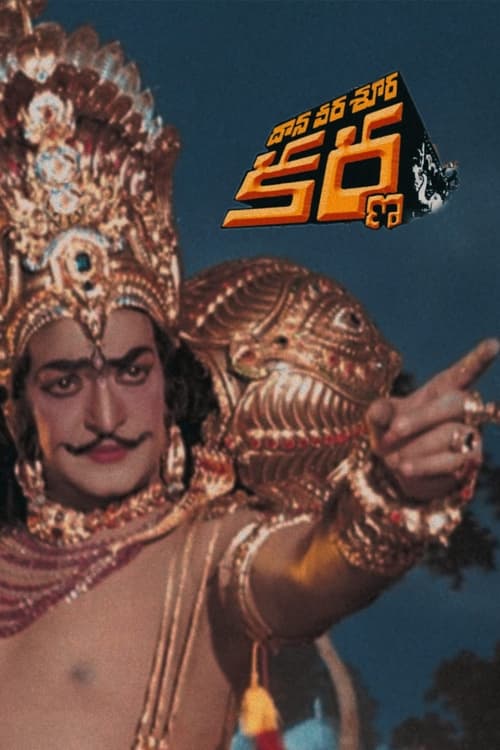
1977
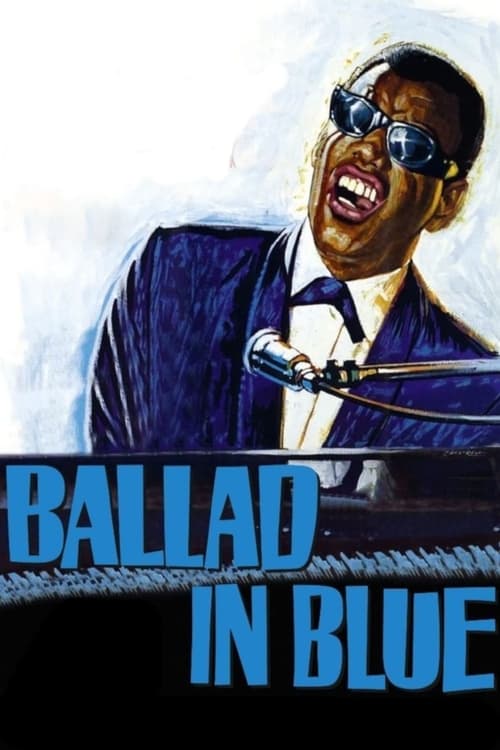
1965
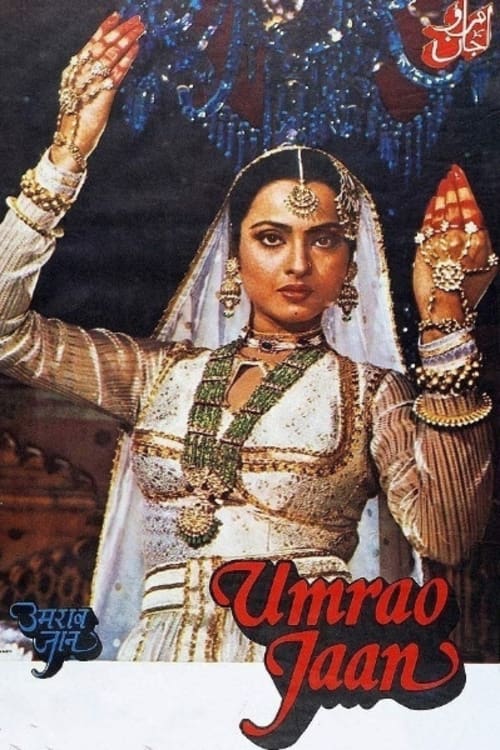
1981
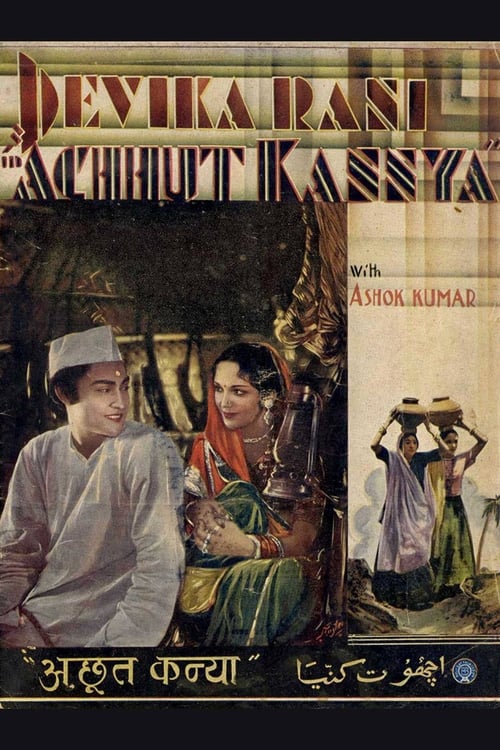
1936
No reviews yet. Be the first to share your thoughts on this movie!
Use the rating form above to leave a star rating and optional review.