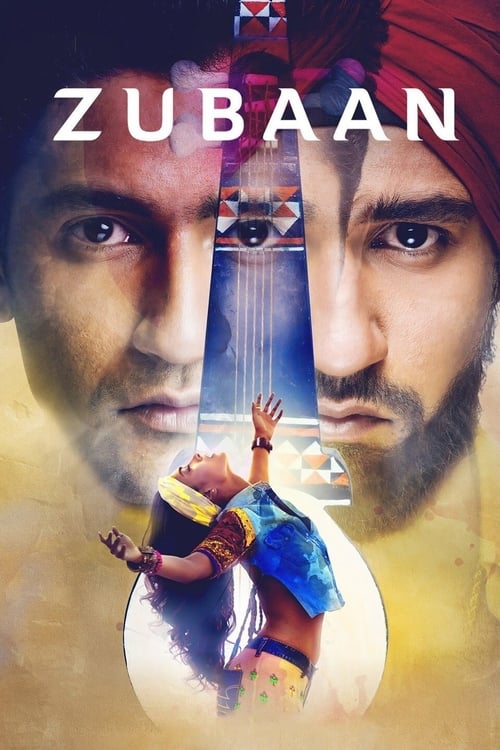
Zubaan
2016
No user ratings available yet
Representation score: 5.9 out of 10

Representation Score
Fair
2010
Director
Ravi Jadhav
Runtime
127 minutes
Average Rating
No ratings yetNew Showbiz Analysis
Natrang is a significant regional drama that uses the Tamasha folk theater tradition to examine identity and social standing. It succeeds by using a traditional medium to explore modern themes of gender non-conformity and the psychological costs of defying social norms. The film's strength lies in its refusal to rely on mainstream commercial homogeneity, instead offering a deep, authentic look at Maharashtrian customs. By centering the story on a character navigating non-traditional gender roles, it challenges the assumption that everyone is straight or cisgender. However, the film remains deeply rooted in specific cultural traditions, which can sometimes align with conservative views on heritage. The narrative focus is primarily internal and regional, rather than a broad critique of external societal structures.
Category Breakdown
The film centers on Guna, who adopts the role of a nachya, an effeminate and homosexual archetype. It delves into the psychological impact of this identity, giving significant weight to a character navigating non-traditional gender expressions.
The narrative challenges traditional masculinity by forcing a male protagonist into an effeminate role. This creates a nuanced discussion about how gender is performed and perceived within rigid cultural institutions.
The film celebrates Maharashtrian identity by emphasizing regional authenticity and localized customs over a universalized aesthetic. It provides visibility to a specific cultural subgroup.
While preserving traditional folk art, the film explores the tension between personal passion and communal tradition. It focuses on internal conflicts rather than critiquing broader Western or capitalist institutions.
There is no evidence of characters with visible or invisible disabilities driving the plot or serving as central narrative devices.
Present on Screen
Limited or Absent
Official Synopsis
Guna is a village labourer in the hinterlands of Maharashtra. Holding a passion for the 'tamasha' theatre shows, he decides to start his own troupe. Instead of the prestigious role of the king he always dreamed of, he ends up having to play a 'nachya', an effeminate, homosexual man. He goes ahead with the decision, which forever changes him and his family, as he ends up torn between his artistic passion and his societal prestige.
2016

2022

2016
2013
2022

2018
2010
2018
No reviews yet. Be the first to share your thoughts on this movie!
Use the rating form above to leave a star rating and optional review.