
Annabelle Butterfly Dance
1894
No user ratings available yet
Representation score: 0.2 out of 10

Representation Score
Minimal
1897
Not RatedDirector
William K.L. Dickson
Runtime
1 minutes
Average Rating
No ratings yetNew Showbiz Analysis
As a foundational piece of early cinema, Crissie Sheridan serves more as a historical document than a narrative work. It captures a specific moment of performance art through the lens of a pioneer in motion picture technology. The film's lack of diversity is a result of its brevity and the time period it was made in. It focuses on a singular, skilled female performer, which provides some ability to act but lacks the depth to address complex social or multi-layered themes. Ultimately, the work is a primary source of early cinematic movement rather than a structured piece of social commentary.
Category Breakdown
The film does not include any characters or identities that are not cisgender.
The work centers on a female performer engaging in a skirt dance. This emphasizes her physical abilities and skilled movements, providing a platform for female-driven expression.
There is no evidence of a diverse cast or the blending of racial identities. The focus remains strictly on a singular performer.
The film serves as an archival record of a turn-of-the-century cultural artifact. It does not engage with broader social critiques or institutional themes.
The documented footage contains no evidence of performers portraying visible or invisible disabilities.
Present on Screen
Limited or Absent
Official Synopsis
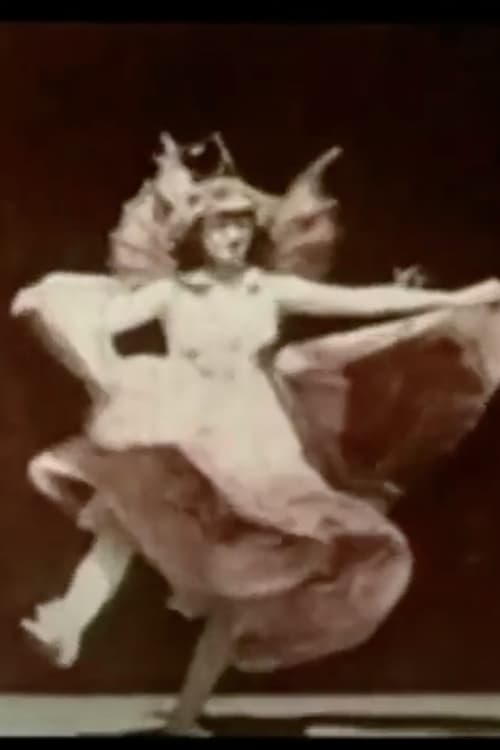
A woman in a white gown performs a skirt dance, using her arms to produce circles and other patterns within the folds of her costume. Her legs and feet appear to be bare. (Library of Congress)
1894
2011
1903
1895
1896
1896
1897
1904
No reviews yet. Be the first to share your thoughts on this movie!
Use the rating form above to leave a star rating and optional review.