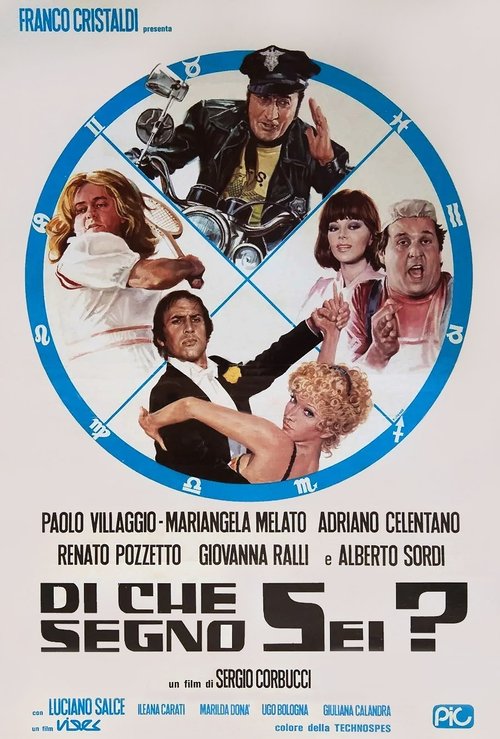
What's Your Sign?
1975
No user ratings available yet
Representation score: 4.2 out of 10
Representation Score
Limited
1987
Director
Sergio Corbucci
Runtime
106 minutes
Average Rating
No ratings yetNew Showbiz Analysis
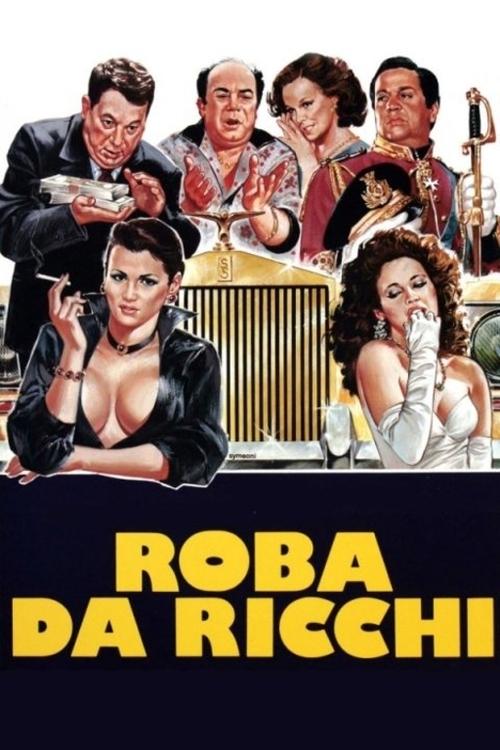
Stuff for the Rich is a traditional episodic comedy centered on the quirks of the wealthy in Monte Carlo. The narrative depends on situational irony and the subversion of social roles, such as a priest getting involved in a romantic affair, to create humor. While the film touches on moral relativism, it lacks the complexity needed to challenge established social hierarchies. Characterizations follow genre clichés rather than providing deeper social commentary. Overall, the production reflects the homogeneous and conventional social frameworks typical of 1980s European commercial cinema.
Category Breakdown
The film features a priest entering a romantic relationship with a princess. This storyline focuses on breaking clerical vows rather than exploring LGBTQ+ identities.
Female characters are portrayed through stereotypes like a con woman and a volatile wife. These roles emphasize deception and instability rather than challenging gender norms.
Set in Monte Carlo, the film reflects the homogenous social elite of 1980s European high society. There is no indication of diverse ethnic casting.
The narrative uses situational ethics and moral relativism for humor. It depicts a priest in a secular role but does not critique Western institutions.
The film does not feature any characters with visible or invisible disabilities. There is no representation of neurodivergence or mental health conditions.
Present on Screen
Limited or Absent
Official Synopsis
3 episodes set in Monte Carlo. In the first one a priest is compelled to become the lover of a princess. In the second, a con woman tries to cheat an insurance man. In the third, a man has to deal with his wife's suicidal attempts.
1975
1980
1965
1975
1988
1964

1987
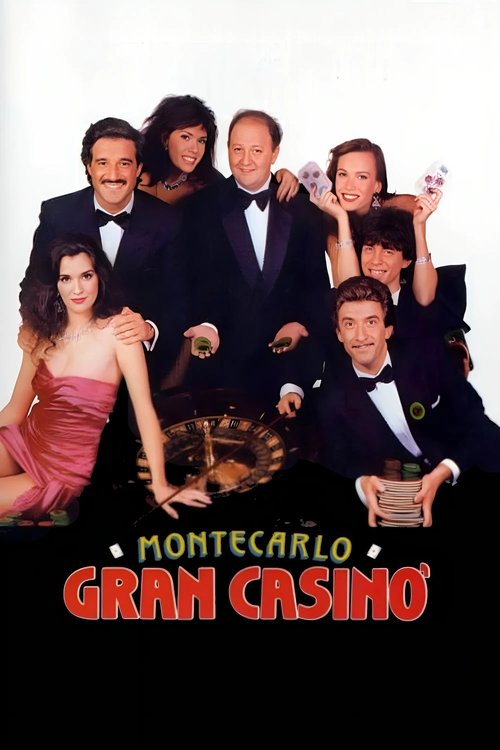
1987
No reviews yet. Be the first to share your thoughts on this movie!
Use the rating form above to leave a star rating and optional review.