
The Bottom Line
1976
No user ratings available yet
Diversity score: 3.3 out of 10

1987
Director
Georges Lautner
Runtime
85 minutes
Average Rating
No ratings yetSynopsis
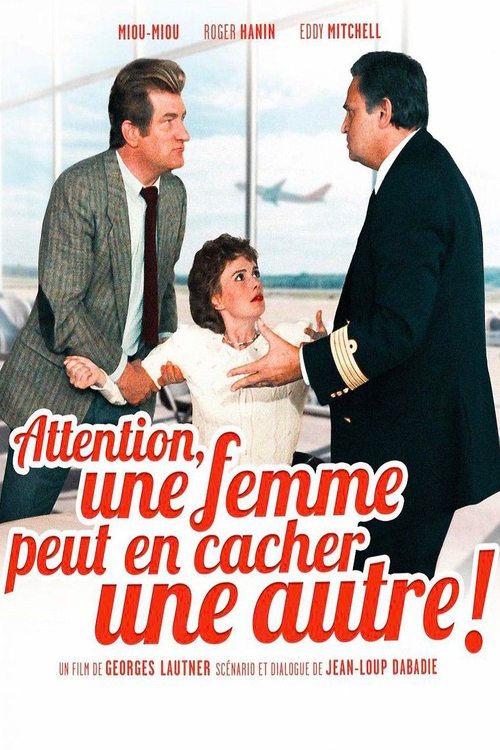
On the day he loses his job in advertising agency, Gérard Floque returns home to find that his infant daughter has been arrested for drugs trafficking and his wife is having an affair with a TV presenter. Gérard's only comfort in this time of mid-life crisis is his colleague, a young punk girl named Martine.
Overall Score
Fair
Category Breakdown
LGBTQ+ Representation
The film focuses on a traditional extramarital affair. There is no explicit evidence of LGBTQ+ characters or non-heteronormative identities within the narrative.
Gender Representation
The story subverts domestic tropes by portraying a wife with agency through infidelity. Martine, a punk girl, provides a counter-narrative to conventional feminine social expectations.
Racial & Ethnic Diversity
The narrative appears to center on a localized, homogeneous social unit. There is no indication of non-white or intersectional racial dynamics in the cast.
Religious & Cultural Diversity
The film critiques Western institutions by framing the family and professional spheres as sites of instability. It offers a cynical view of traditional social contracts.
Disability Representation
There is no evidence of characters with visible or invisible disabilities included in the work.
Strengths
Areas for Improvement
AI Analysis
The film serves as a critique of mid-century social stability rather than a tool for intersectional representation. It finds its footing by deconstructing the pillars of Western identity, such as career and family, through the lens of a protagonist in total systemic failure. While the narrative successfully disrupts traditional gender hierarchies and challenges the sanctity of the nuclear family, it remains limited in scope. The focus stays within a homogeneous social framework, lacking engagement with broader diversity metrics. Ultimately, the work uses social dysfunction to challenge societal expectations, but it does not extend this critique to include racial, LGBTQ+, or disability-related perspectives.
1976
1983

1984
1970

2011

2009
1983

1970
2003

1979

1980
1969
No reviews yet. Be the first to share your thoughts on this movie!
Use the rating form above to leave a star rating and optional review.