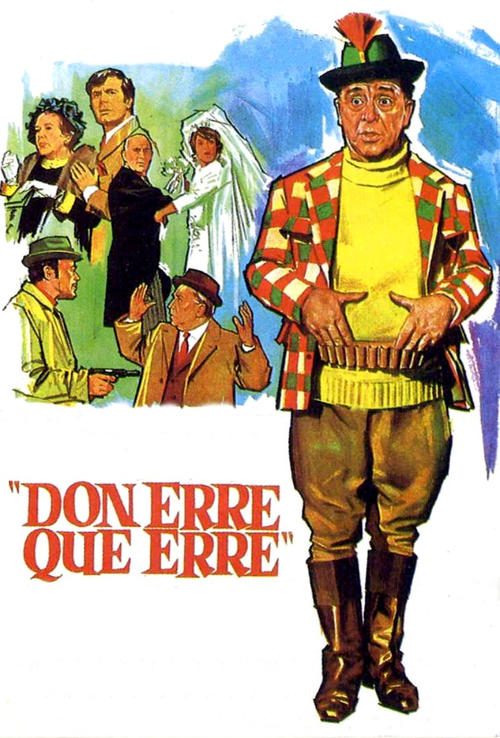
Don erre que erre
1970
No user ratings available yet
Representation score: 1.4 out of 10
Representation Score
Good
1966
Director
Jean-Pierre Mocky
Runtime
90 minutes
Average Rating
No ratings yetNew Showbiz Analysis
Jean-Pierre Mocky’s film is a transgressive satire that prioritizes ideological subversion over demographic diversity. While it lacks modern representation regarding race, gender, and LGBTQ+ identities, it succeeds in its systemic critique of capitalism. The film's strength lies in its ability to mock bourgeois morality and institutional authority through satirical storytelling. However, the production is limited by the era's demographic homogeneity, resulting in a lower score for modern multi-layered standards.
Category Breakdown
The film does not feature explicit LGBTQ+ storylines or diverse gender identities. It follows the conventions of mid-century French comedy, lacking specific representations of LGBTQ+ individuals.
Mocky uses satire to challenge traditional gender hierarchies by mocking the incompetence of the ruling class. The narrative focuses on social status critiques rather than reinforcing traditional domestic gender roles.
The film reflects the demographic homogeneity of 1960s urban France. There is no significant representation of non-white characters or race-bent casting.
The film excels as an anti-capitalist satire that critiques the moral sanctity of the middle class. It effectively challenges consumerism and the hypocrisy of pursuing wealth.
Disability is not a central theme or a primary driver for character's ability to drive the story. The narrative focuses on socioeconomic struggles and the satire of greed.
Present on Screen
Limited or Absent
Official Synopsis
Pétepan learns that his money has been lost by Robinhoude brothers.He asks his assistants to withdraw his amount from the bank.
1970
1972
1963

1964
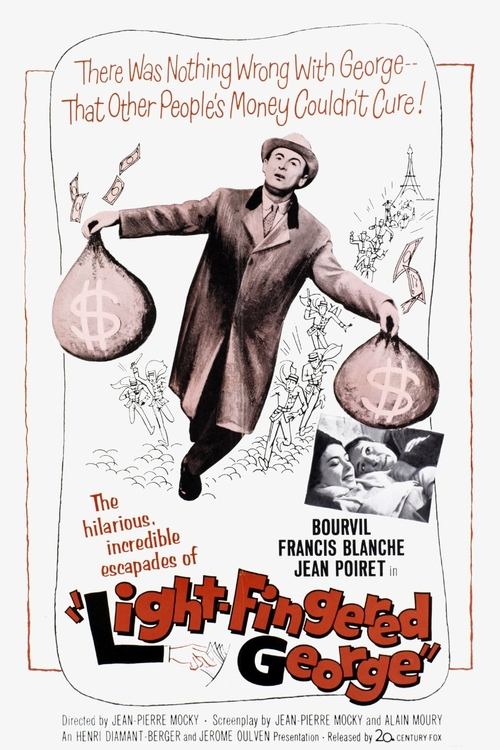
1963
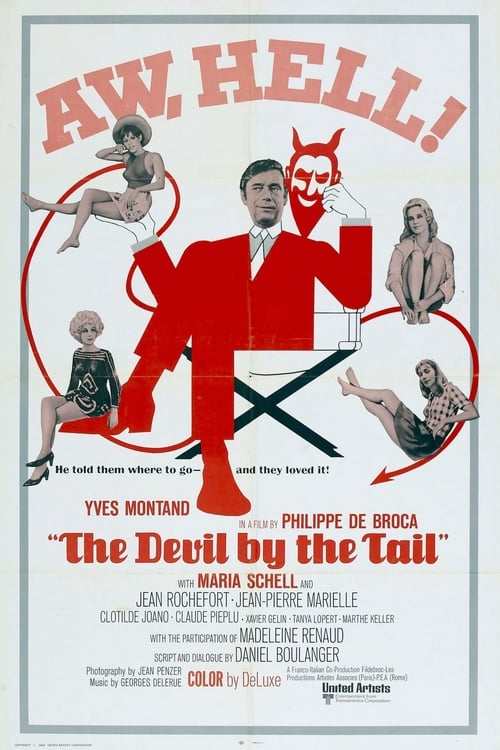
1969
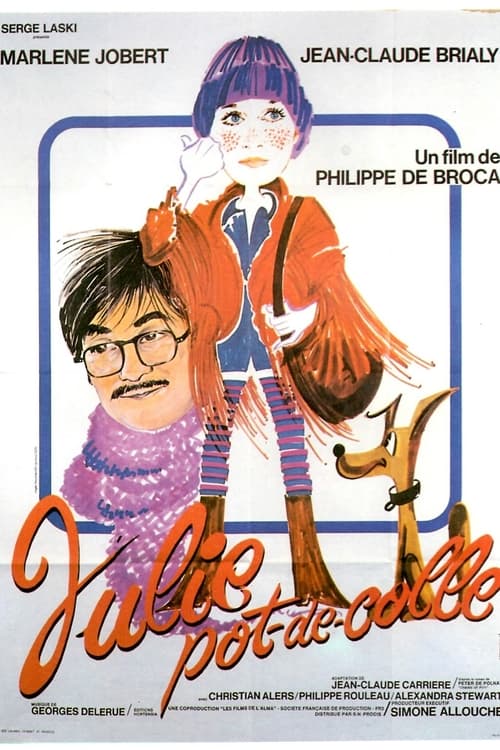
1977

1975
No reviews yet. Be the first to share your thoughts on this movie!
Use the rating form above to leave a star rating and optional review.