Clint Eastwood: Out of the Shadows
2000
No user ratings available yet
Diversity score: 2.2 out of 10
2009
NRDirector
Constantine Nasr
Runtime
69 minutes
Average Rating
No ratings yetSynopsis
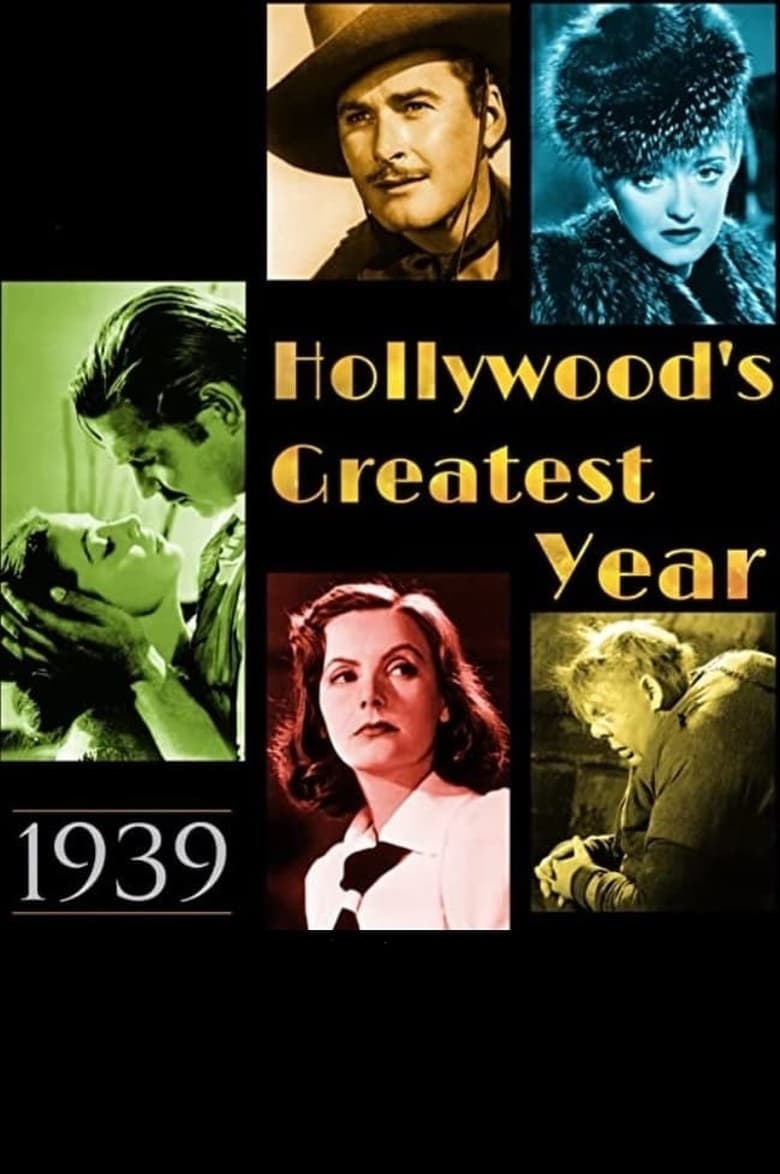
This documentary focuses on 1939, considered to be Hollywood's greatest year, with film clips and insight into what made the year so special.
Overall Score
Limited
Category Breakdown
LGBTQ+ Representation
The film reflects the strict censorship and social invisibility of the 1939 era. It lacks contemporary commentary on queer subtext or historical figures, adhering to the heteronormative standards of the time.
Gender Representation
Portrayals focus on female icons within the traditional star system. These depictions tend to reinforce the conventional gender hierarchies and romantic ideals prevalent in 1930s storytelling.
Racial & Ethnic Diversity
The documentary chronicles a period defined by Eurocentric casting and a lack of integration. It reflects the structural exclusion and racial hierarchies inherent to the 1939 film industry.
Religious & Cultural Diversity
The narrative celebrates the triumphs of the Western, capitalist-driven studio system. It emphasizes the specific cultural values and prestige of the traditional Hollywood cinematic canon.
Disability Representation
Nuanced depictions of disability are largely absent. The film's focus on idealized stardom suggests that disability is either omitted or relegated to a trope within the archival clips.
Strengths
Areas for Improvement
AI Analysis
This documentary functions as a historical retrospective of Hollywood's Golden Age. Because it archives the cinematic output of 1939, the content is naturally bound by the social and systemic constraints of that era. The film serves as a celebration of a specific historical milestone rather than a tool for social critique. It preserves the status quo of the studio system, which was characterized by rigid hierarchies and limited representation. Ultimately, the low diversity scores are a reflection of the era being studied. The documentary acts as a chronological archive of a period that lacked intersectional visibility and progressive social frameworks.
2000

2004

2009

2017
1998

1990
1995
2005
1998
1973
1996

1982
No reviews yet. Be the first to share your thoughts on this movie!
Use the rating form above to leave a star rating and optional review.