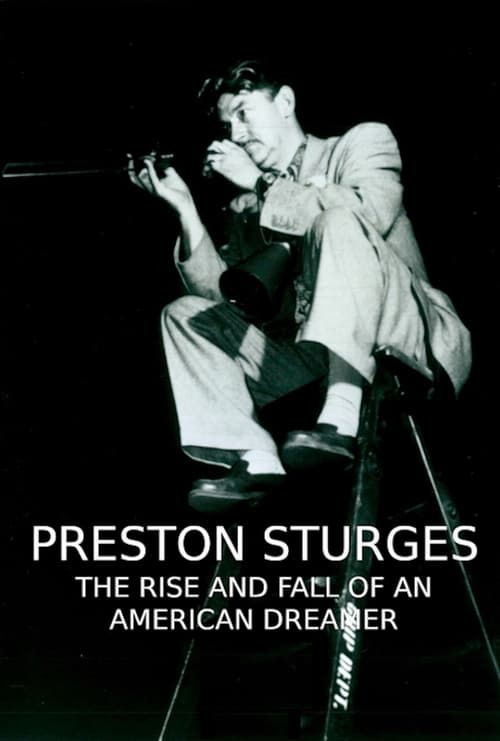
Preston Sturges: The Rise and Fall of an American Dreamer
1990
No user ratings available yet
Representation score: 4.5 out of 10
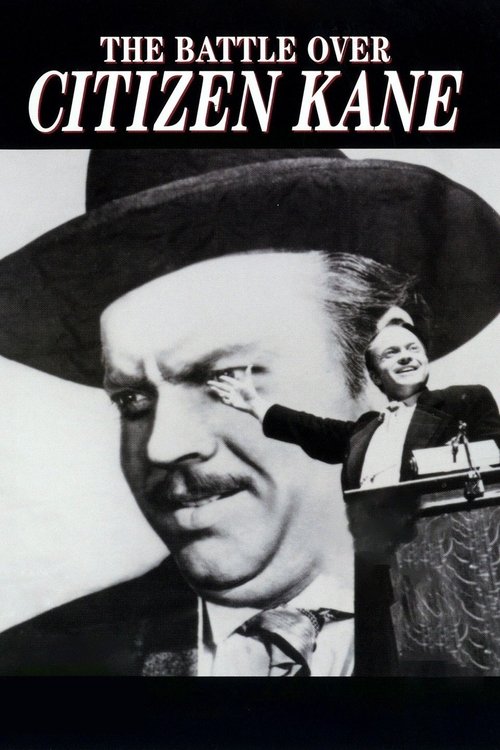
Representation Score
Limited
1996
NRDirector
Thomas Lennon, Michael Epstein
Runtime
108 minutes
Average Rating
No ratings yetNew Showbiz Analysis
The film functions primarily as a historical deconstruction of media hegemony and censorship. It prioritizes the study of institutional control and the struggle for artistic freedom over modern identity-based narratives. While the documentary offers a progressive critique of capitalist control and the suppression of truth, it remains tethered to the historical homogeneity of the mid-20th century. The focus stays strictly on the power dynamics between Orson Welles and William Randolph Hearst. Ultimately, the work serves as a specialized biographical study. It lacks significant representation across most modern diversity metrics, finding its strength instead in its systemic critique of corporate media empires.
Category Breakdown
The documentary focuses on the professional and political conflict between Welles and Hearst. There is no mention of LGBTQ+ characters or themes related to non-straight identities.
The film examines a historical era dominated by powerful men. It centers on masculine-coded spheres of media ownership and cinematic direction without challenging traditional hierarchies.
The subject matter is rooted in the Anglo-centric power struggle of 1940s American media. The film lacks a focus on diverse racial perspectives within the Hearst empire.
The film provides value through its critique of traditional Western institutions. It highlights the tension between individual expression and the oppressive nature of concentrated media capitalism.
There is no evidence to suggest that disability, neurodivergence, or physical impairment are central themes or featured character arcs within this documentary.
Present on Screen
Limited or Absent
Official Synopsis
Documentary about the battle between Orson Welles and William Randolph Hearst over Welles' Citizen Kane (1941). Features interviews with Welles' and Hearst's co-workers also acts as a relatively complete biograph of Hearst's career.
1990

2018

2002

2006
1973
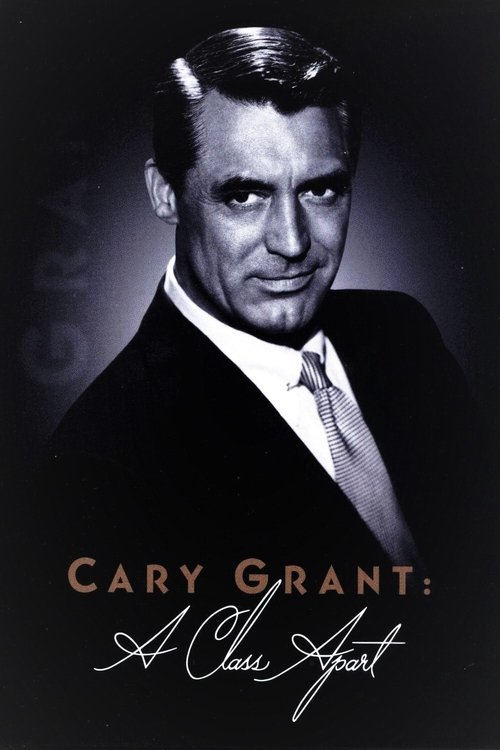
2004
1955
2005
No reviews yet. Be the first to share your thoughts on this movie!
Use the rating form above to leave a star rating and optional review.