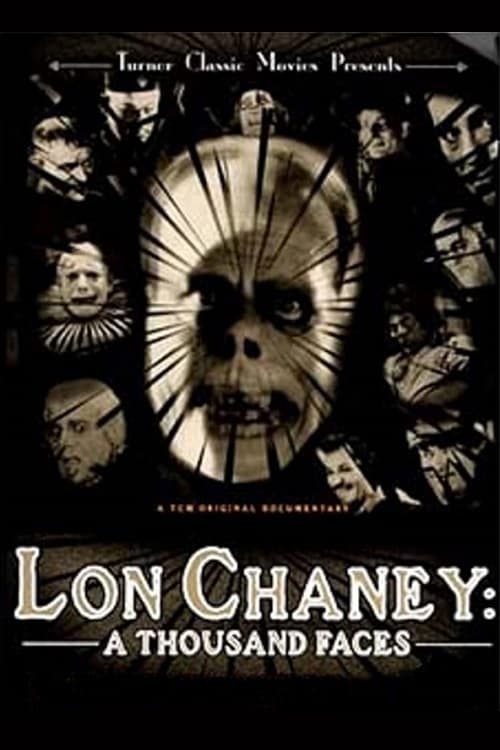
Lon Chaney: A Thousand Faces
2000
No user ratings available yet
Diversity score: 2.3 out of 10
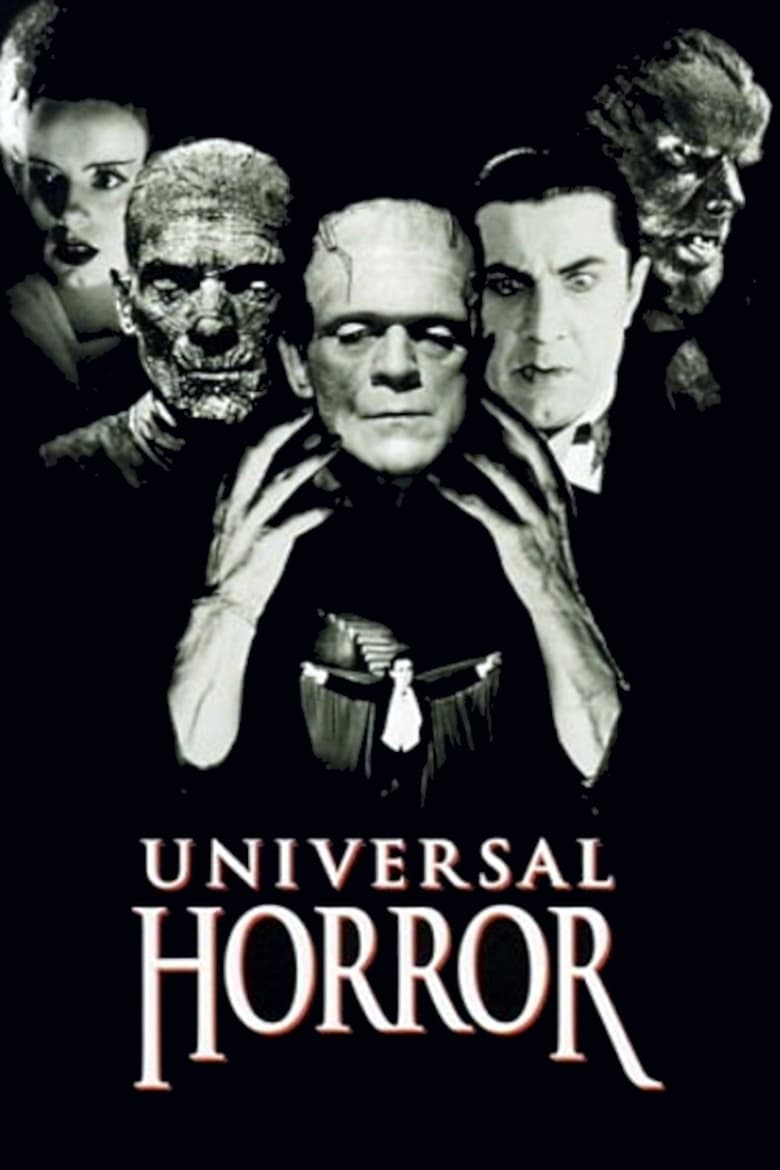
1998
NRDirector
Kevin Brownlow
Runtime
95 minutes
Average Rating
No ratings yetSynopsis
A documentary about the era of classic monster movies that were made at Universal Studios during the 1930s and 1940s.
Overall Score
Limited
Category Breakdown
LGBTQ+ Representation
The film observes the strict heteronormative constraints of the 1930s and 40s. There are no explicit LGBTQ+ narratives or depictions of non-cisnormative identities within the historical subject matter.
Gender Representation
The narrative is bound to the patriarchal structures of the early 20th-century studio system. It focuses on an era characterized by traditional gender hierarchies and archetypal roles.
Racial & Ethnic Diversity
The subject matter reflects a period of significant racial homogeneity and Anglo-Saxon archetypes. The documentary focuses on a canon that historically lacked diverse casting.
Religious & Cultural Diversity
This work functions as a celebration of Western cinematic history and the studio system's legacy. It maintains a traditionalist appreciation of film heritage without anti-Western sentiment.
Disability Representation
Physical difference was frequently used as a visual shorthand for the 'monstrous' during this era. The documentary examines these portrayals, which often relied on the physical 'other' as a trope.
Strengths
Areas for Improvement
AI Analysis
Kevin Brownlow’s documentary serves as a scholarly archive of the 1930s and 1940s Universal monster era. Because it is a historical study rather than a scripted narrative, it is inherently limited by the era's lack of intersectional complexity. The film prioritizes the preservation of cinematic heritage over contemporary social subversion. Consequently, the representation reflects the traditionalism and homogeneity of the classic Hollywood studio system rather than modern inclusive standards. While the documentary provides academic context for these historical realities, the subject matter itself remains rooted in the patriarchal and racialized structures of early 20th-century filmmaking.
2000

1990
2011
1983
2005
1992
1998
1983
2009
1992
1973
1982
No reviews yet. Be the first to share your thoughts on this movie!
Use the rating form above to leave a star rating and optional review.