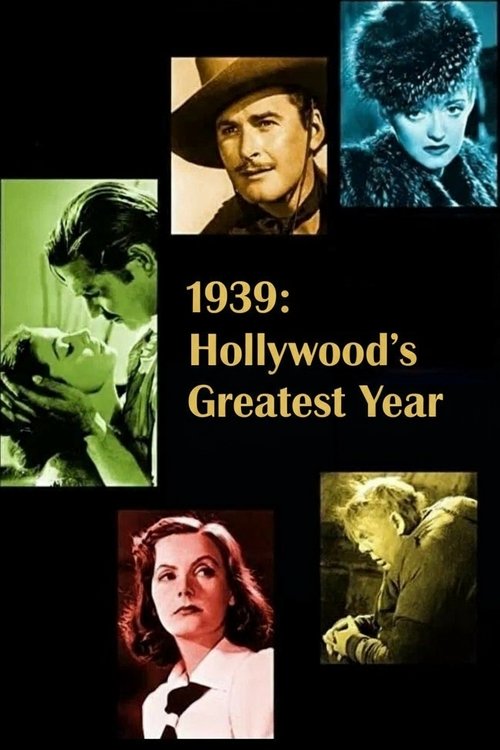
1939: Hollywood's Greatest Year
2009
No user ratings available yet
Representation score: 2.6 out of 10

Representation Score
Fair
1990
TV-GDirector
Jack Haley Jr.
Runtime
52 minutes
Average Rating
No ratings yetNew Showbiz Analysis
This documentary serves as a preservationist look back at the 1939 MGM classic. Given its focus on documenting the past, it naturally reflects the social hierarchies and casting norms of that era. The film prioritizes nostalgia and technical achievements over contemporary deconstruction. Ultimately, it acts as a celebratory account of film history, emphasizing the legacy of a foundational piece of American pop culture.
Category Breakdown
The documentary focuses on the 1939 production and its cast, adhering to the standards of the time where everyone was assumed to be straight or cisgender. There is no mention of non-traditional gender identities or same-sex relationships.
The interviews feature female cast members and their families, but the main narrative emphasizes the roles of male directors and executives within the traditional patriarchal structure of the studio system.
The subject matter reflects the historically homogeneous nature of the production. Although fans and crew members from various backgrounds appear in interviews, the core focus remains on an era characterized by limited racial integration.
The film highlights the cultural significance of American pop culture and the legacy of the MGM studio. It celebrates the Western cinematic tradition without challenging or subverting these cultural norms.
The documentary concentrates on the technical achievements and the physical demands of the production. It does not highlight individuals with disabilities or their contributions to the production.
Present on Screen
Limited or Absent
Official Synopsis
Angela Lansbury hosts a celebration and anniversary tribute to the Wizard of Oz which includes the premiere of the restored, uncut print of the classic.
2009

2022
1977
2005

2000

2001
2001
2001
No reviews yet. Be the first to share your thoughts on this movie!
Use the rating form above to leave a star rating and optional review.