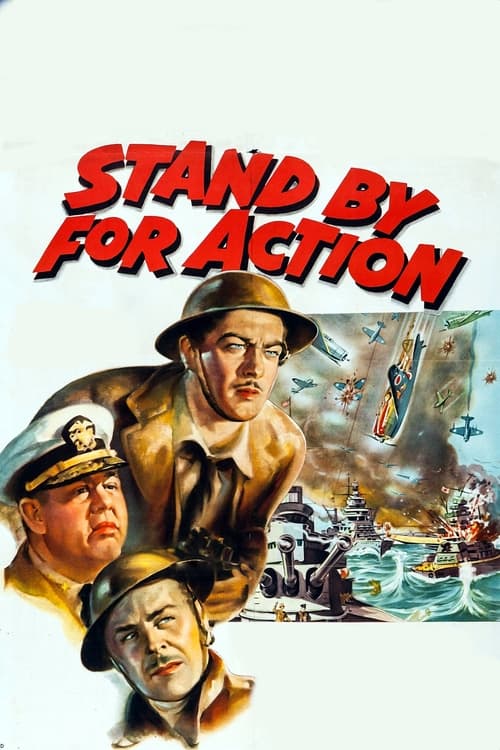
Stand by for Action
1942
No user ratings available yet
Representation score: 0.3 out of 10
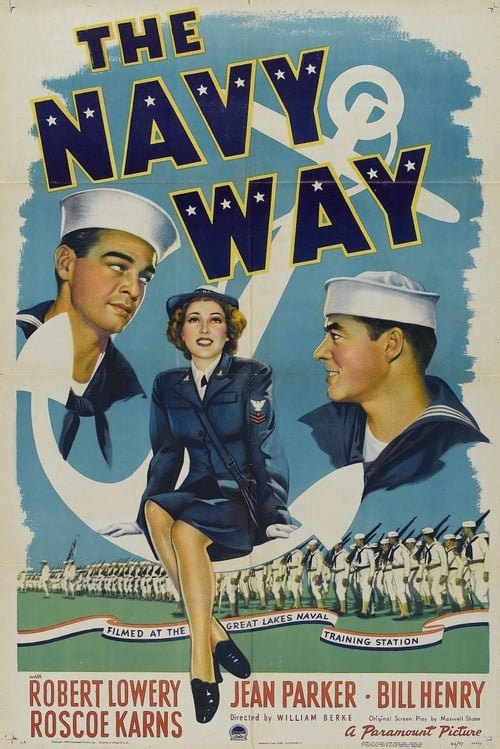
Representation Score
Minimal
1944
NRDirector
William Berke
Runtime
74 minutes
Average Rating
No ratings yetNew Showbiz Analysis
The Navy Way is a classic example of mid-century institutional cinema aimed at boosting wartime morale. Its narrative structure emphasizes reinforcing existing social hierarchies and nationalistic sentiments rather than exploring diverse perspectives. The film adheres to the rigid social and cinematic standards of 1944, focusing on traditional gender roles, racial homogeneity, and military discipline to maintain the cultural status quo of the time. Overall, the production lacks the complexity needed for modern diversity standards, serving primarily as a vehicle for patriotism and institutional cohesion.
Category Breakdown
The film does not include any LGBTQ+ characters or stories that challenge traditional heterosexual norms. It follows the social norms of 1944, emphasizing conventional relationships.
The story revolves around young men in a military training camp. This setting highlights a hyper-masculine environment where women have limited roles.
The film likely reflects the predominantly white cast typical of 1944 military dramas. There are no characters of color or diverse backgrounds driving the plot.
The narrative serves to promote institutional unity and patriotism. It portrays Western military institutions positively and as stabilizing forces.
There is no indication of characters with disabilities having significant roles. Physical impairments in this era were often used as plot devices for loss.
Present on Screen
Limited or Absent
Official Synopsis
The experiences of a disparate group of young men as they make their way through Navy boot camp.
1942

1942
1940
1949
1948
1945

2014
1940
No reviews yet. Be the first to share your thoughts on this movie!
Use the rating form above to leave a star rating and optional review.