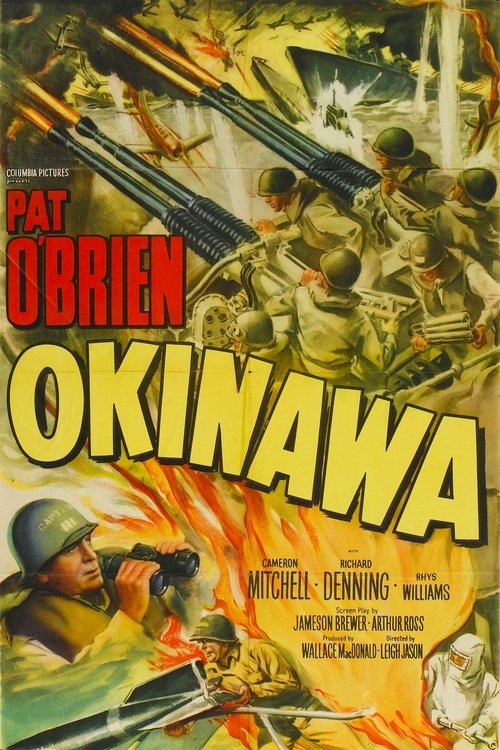
Okinawa
1952
No user ratings available yet
Representation score: 0.6 out of 10
Representation Score
Minimal
1951
NRDirector
Nicholas Ray
Runtime
102 minutes
Average Rating
No ratings yetNew Showbiz Analysis
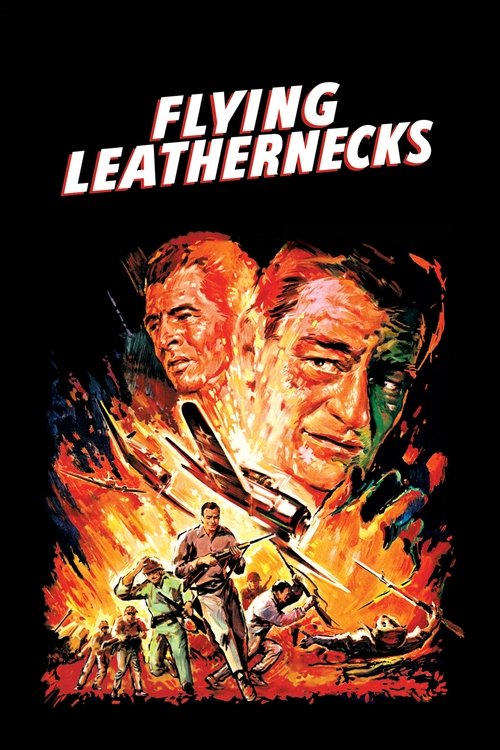
Flying Leathernecks is a classic mid-century film that upholds the social and institutional hierarchies of its time. The film centers on the dynamics of male leadership within a Marine squadron, emphasizing traditional masculine ideals of competence and command. The narrative structure reinforces the established military hierarchy without challenging it. The film lacks diverse representation, focusing instead on a homogeneous portrayal of military life.
Category Breakdown
The film focuses solely on a male-dominated military environment, with no representations of LGBTQ+ identities or same-sex relationships.
The narrative emphasizes traditional masculine traits and leadership, with almost no focus on female characters or their roles.
The cast is primarily white, with no characters of color appearing in leadership positions.
The film presents a traditional military narrative emphasizing discipline and patriotism, without addressing any cultural or religious critiques.
The story highlights physical strength and combat readiness, with no representations of neurodivergence or physical disabilities.
Present on Screen
Limited or Absent
Official Synopsis
Major Daniel Kirby takes command of a squadron of Marine fliers just before they are about to go into combat. While the men are well meaning, he finds them undisciplined and prone to always finding excuses to do what is easy rather than what is necessary. The root of the problem is the second in command, Capt. Carl 'Griff' Griffin. Griff is the best flier in the group but Kirby finds him a poor commander who is not prepared to make the difficult decision that all commanders have to make - to put men in harm's way knowing that they may be killed.
1952
1949
1958
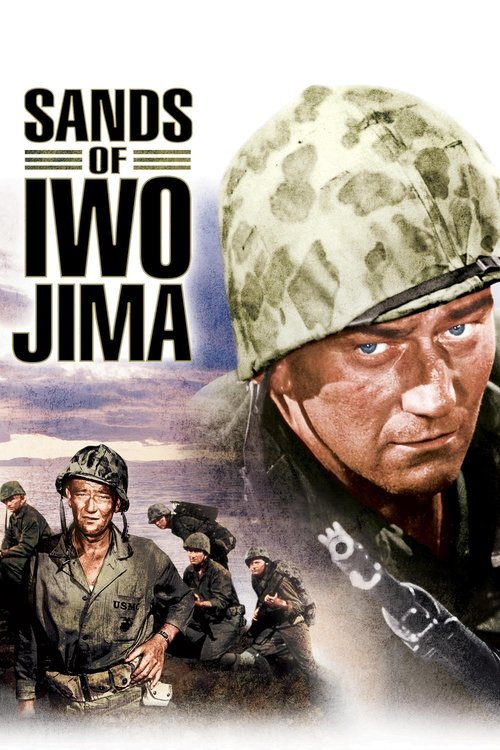
1950

1942
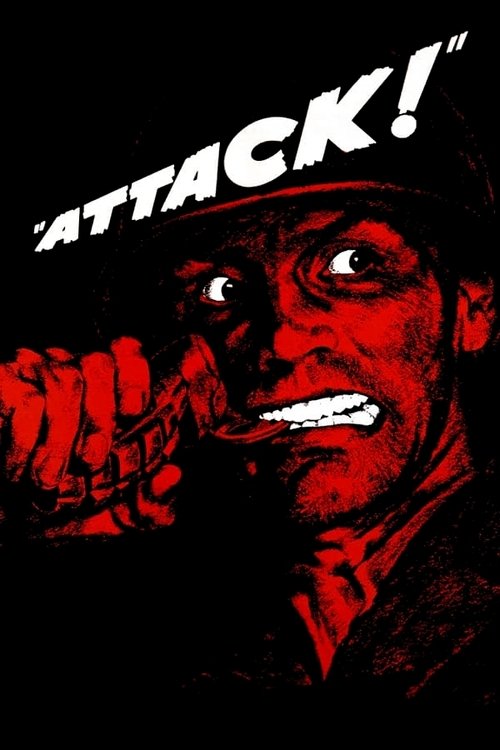
1956
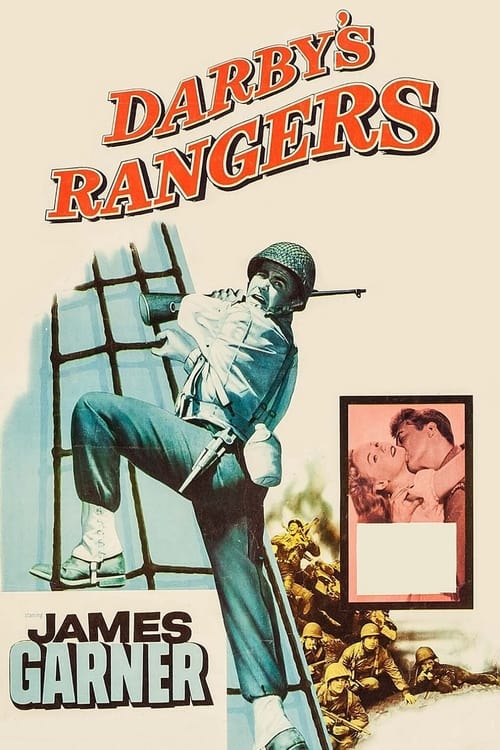
1958
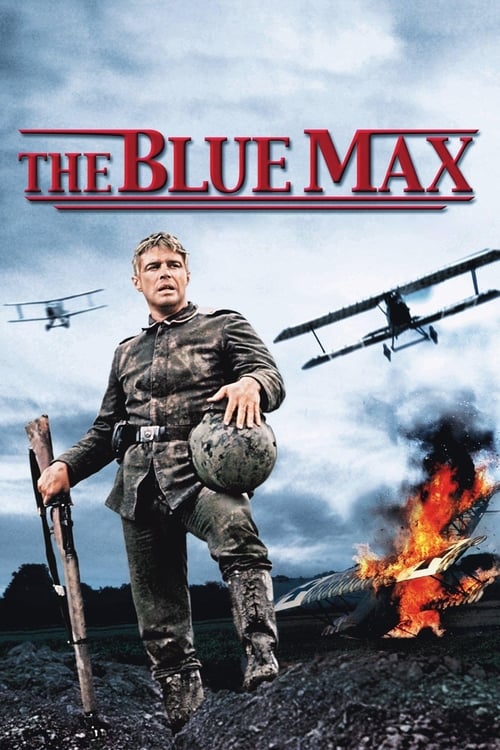
1966
No reviews yet. Be the first to share your thoughts on this movie!
Use the rating form above to leave a star rating and optional review.