The Navy Way
1944
No user ratings available yet
Representation score: 0.3 out of 10
Representation Score
Fair
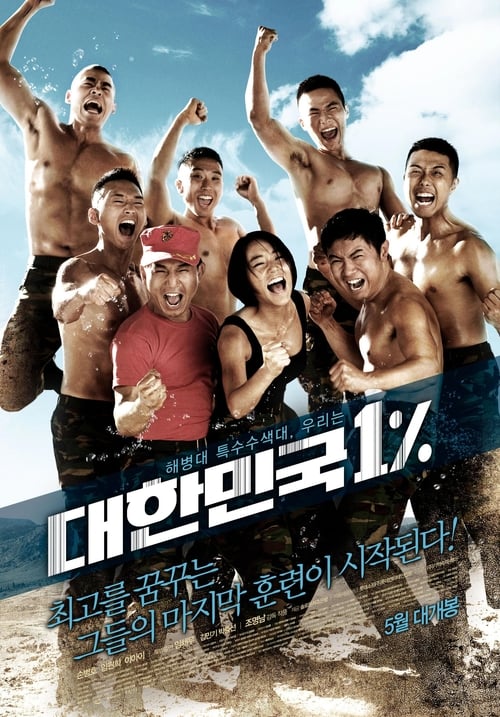
2010
Director
Cho Myeong-nam
Runtime
105 minutes
Average Rating
No ratings yetNew Showbiz Analysis
Miss Staff Sergeant is a focused character study on gendered power dynamics within a rigid military framework. The film excels at portraying a female protagonist who successfully disrupts traditional masculine hierarchies and claims leadership roles through merit. However, the narrative lacks broader representation, focusing narrowly on a specific national and gendered context without exploring additional racial or LGBTQ+ identities. This creates a specialized but limited scope of representation. Ultimately, the film is a strong exploration of gendered competence, though it remains confined to a singular demographic lens.
Category Breakdown
The film does not include explicit representations of same-sex relationships or non-cisgender identities. It also does not feature any characters with LGBTQ+ arcs or queer-coded subtext.
Yu-mi challenges the traditional 'no women' policy in the marines and becomes a team leader. She demonstrates a significant role in driving the story and competence throughout her journey from outsider to leader.
The film focuses on the internal military structure of South Korea and does not significantly blend different races or represent diverse ethnic identities beyond the primary national demographic.
The story highlights the tension between individual ability to act and rigid military traditions. It critiques systemic structures by contrasting Yu-mi's modern approach with established institutional hierarchies.
There are no characters with visible or invisible disabilities, nor do any characters with disabilities play central roles in the plot.
Present on Screen
Limited or Absent
Official Synopsis
Yu-mi applies to a marine outfit to become their first female member. Finding out about their NO woman-policy, she pushes herself to the extreme and fils a petition. After overcoming many obstacles, she is finally accepted for her outstanding performance. However, conflicts never cease between sergeants and Yu-mi, who’s new to the tradition and culture of the marines. Following the sudden death of a trainee, Sergeant HA, she is appointed to the head of the team. Highly motivated Yu-mi loses her troupe's trust after losing IBS. The team is in danger of dissolution due to the loss of a magazine.
1944
2002

2010

1972

2011

1997
2010

2006
No reviews yet. Be the first to share your thoughts on this movie!
Use the rating form above to leave a star rating and optional review.