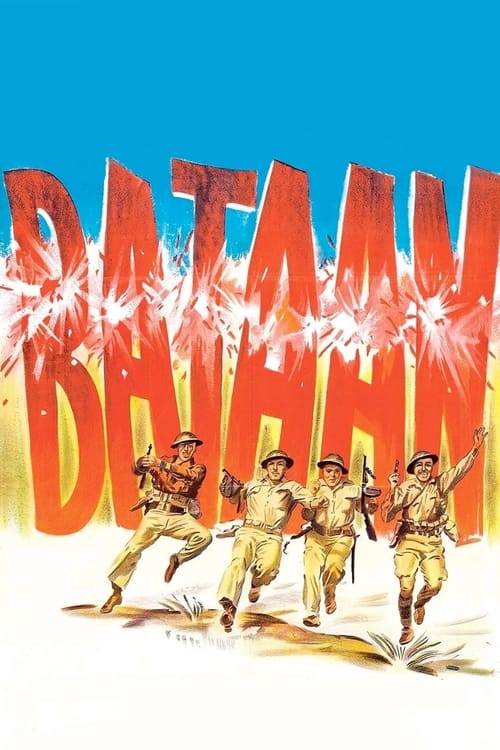
Bataan
1943
No user ratings available yet
Representation score: 2.4 out of 10
Representation Score
Minimal
1951
ApprovedDirector
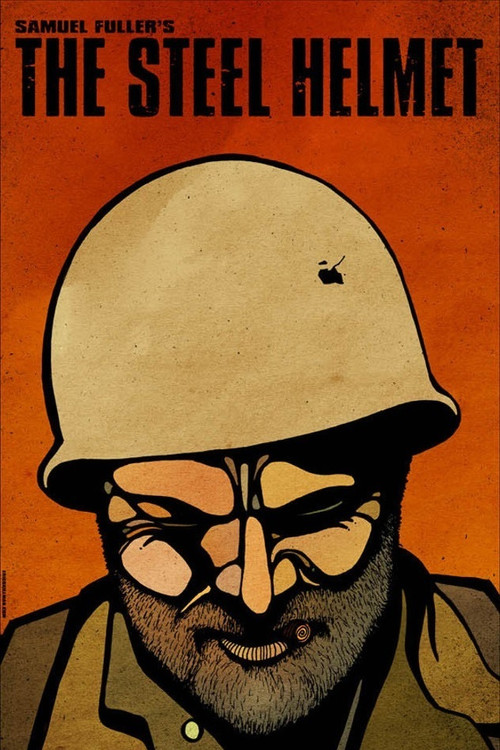
Samuel Fuller
Runtime
85 minutes
Average Rating
No ratings yetNew Showbiz Analysis
Samuel Fuller’s gritty realism prioritizes psychological authenticity over broad demographic representation. By deconstructing sanitized, heroic clichés, the film offers a visceral look at the realities of combat. However, the film remains limited by the demographic constraints of its time. It focuses almost entirely on a homogeneous group of white male soldiers, lacking diverse representation. Ultimately, the work explores systemic exhaustion and moral ambiguity, favoring the chaotic reality of individual experience over idealized, institutional narratives.
Category Breakdown
The film focuses solely on a hyper-masculine military environment and does not include any non-straight relationships or queer undertones among the soldiers.
The story revolves around male combatants and does not feature any female characters, preventing any exploration of gender roles or ability to act.
The main characters are a group of white American soldiers. Despite the Korean setting, local civilians are used as background elements rather than characters with significant roles.
The film challenges the idealized notion of wartime heroism by embracing moral relativism and situational ethics, presenting a realistic and often cynical portrayal of survival in war.
There are no prominent depictions of physical or neurodivergent disabilities. None of these traits play a central role in the story or drive the plot.
Present on Screen
Limited or Absent
Official Synopsis
A ragtag group of American stragglers battles against superior Communist troops in an abandoned Buddhist temple during the Korean War.
1943
1949
1951
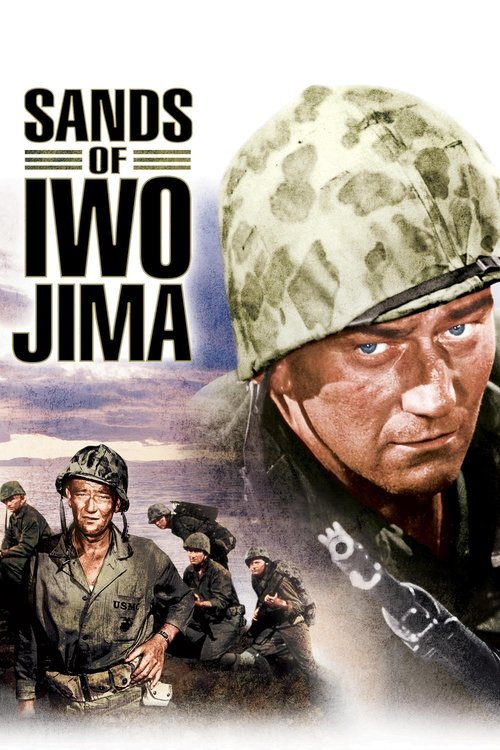
1950
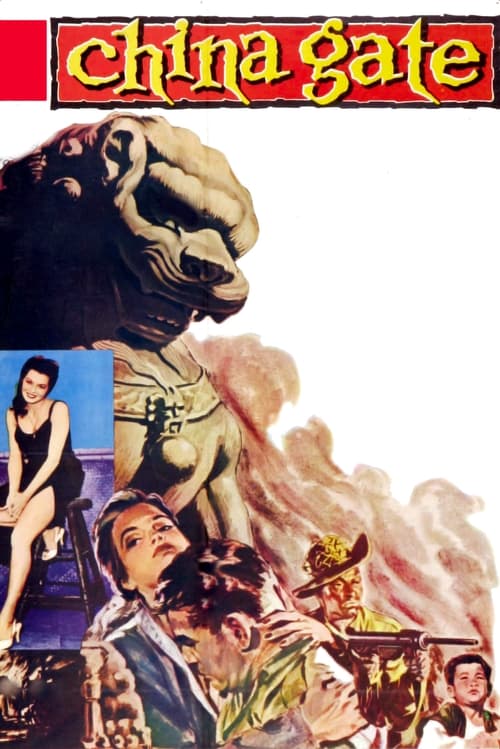
1957
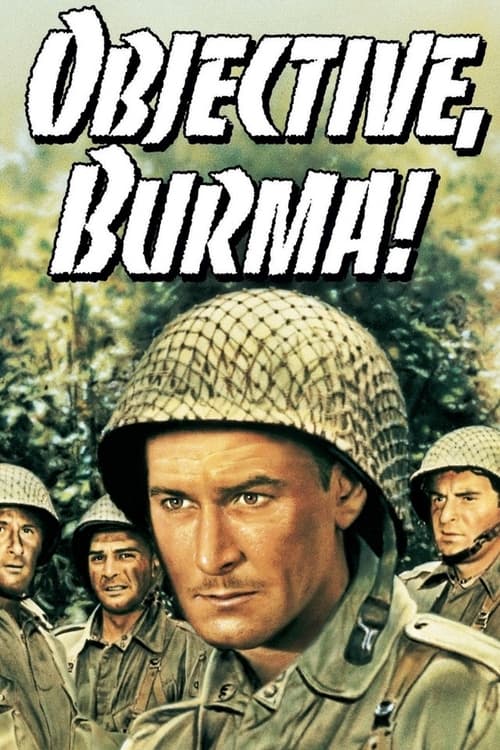
1945
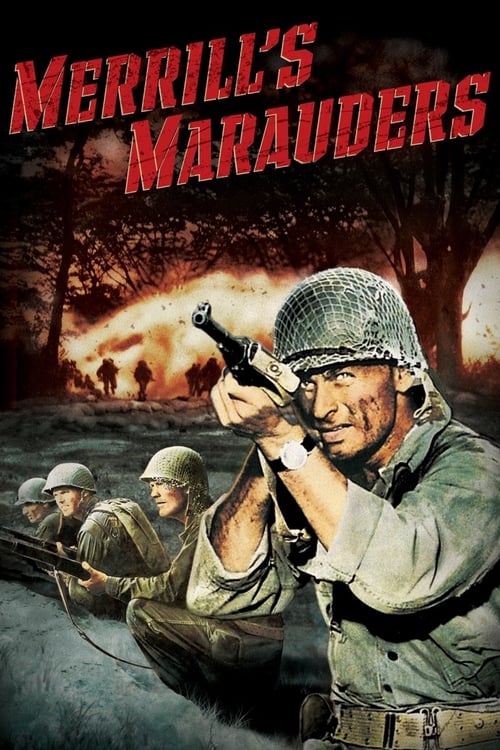
1962
1959
No reviews yet. Be the first to share your thoughts on this movie!
Use the rating form above to leave a star rating and optional review.