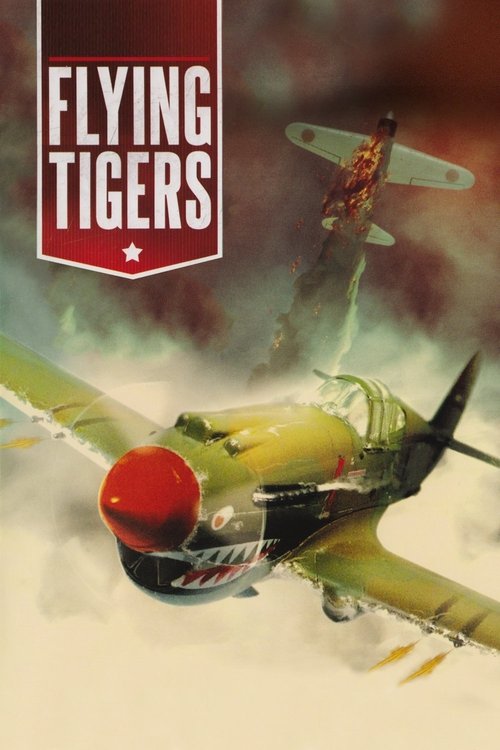
Flying Tigers
1942
No user ratings available yet
Representation score: 0.9 out of 10
Representation Score
Minimal
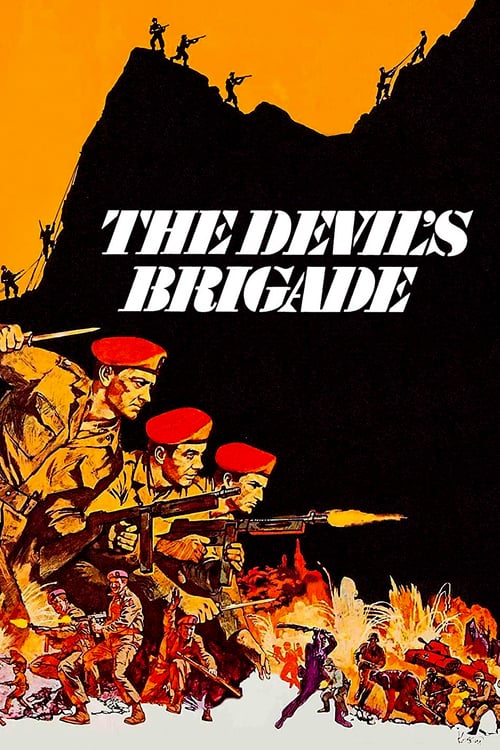
1968
NRDirector
Andrew V. McLaglen
Runtime
130 minutes
Average Rating
No ratings yetNew Showbiz Analysis
The Devil's Brigade is a typical mid-century war film that follows the traditional storytelling methods of 1968. It centers on the camaraderie and duties of a specialized military unit, emphasizing masculine leadership and institutional stability. The film does not engage with modern themes of identity or diversity. Instead, it upholds the social hierarchies of its time, presenting a uniform view of the Allied forces through conventional means. Overall, the production reflects the demographics of its era, showing warfare in a technical manner without challenging traditional power structures or exploring varied human experiences.
Category Breakdown
The film stays within traditional boundaries, focusing on an all-male military group with no queer or non-binary identities represented.
The story is driven by male characters. Women have minor roles that support the plot but do not take active control.
The cast is mostly white, reflecting the homogeneity of the time period. Characters of color are not given significant roles or depth.
The film highlights Western military traditions and patriotism. It emphasizes unity and order without questioning the social structures.
The characters are shown as physically capable. There is no representation of physical or neurological disabilities.
Present on Screen
Limited or Absent
Official Synopsis
At the onset of World War II, American Lt. Col. Robert Frederick is put in charge of a unit called the 1st Special Service Force, composed of elite Canadian commandos and undisciplined American soldiers. With Maj. Alan Crown leading the Canadians and Maj. Cliff Bricker the acting head of the American contingent, there is initial tension -- but the team comes together when given a daunting mission that few would dare to attempt.
1942
1950
1943
1949
1976

1958

2017

1941
No reviews yet. Be the first to share your thoughts on this movie!
Use the rating form above to leave a star rating and optional review.