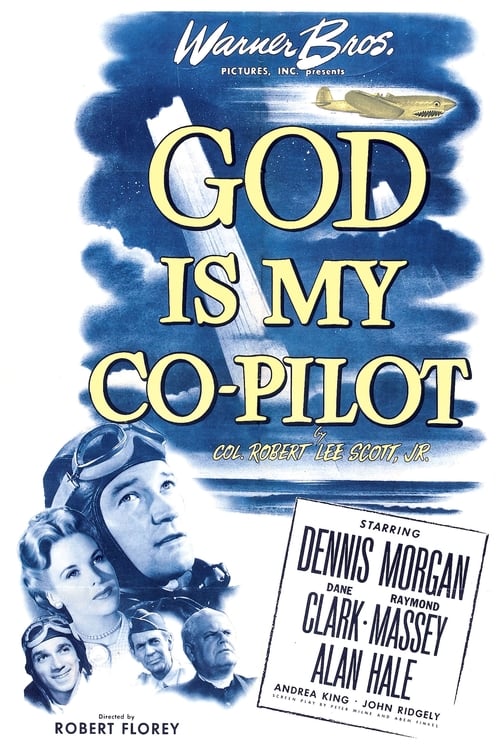
God Is My Co-Pilot
1945
No user ratings available yet
Representation score: 0.3 out of 10
Representation Score
Minimal
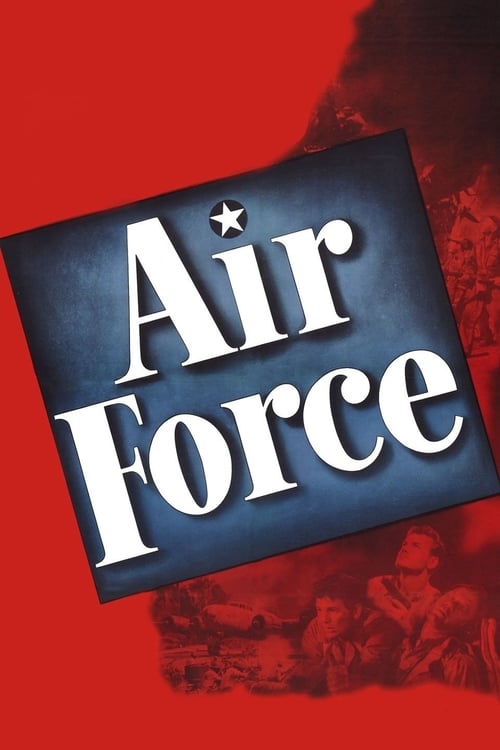
1943
NRDirector
Howard Hawks
Runtime
124 minutes
Average Rating
No ratings yetNew Showbiz Analysis
Air Force is a quintessential wartime production that prioritizes national cohesion and traditional social hierarchies. The narrative is designed to reinforce institutional loyalty, resulting in a highly homogeneous cast and narrow character archetypes. The film reflects the 1940s Hollywood era and its segregated military structures. It centers on male camaraderie and technical skill, leaving little room for diverse perspectives or the subversion of established power dynamics. Ultimately, the film's focus on collective sacrifice for the state reinforces conventional demographic norms rather than exploring diverse human experiences.
Category Breakdown
The film adheres to a strictly heterosexual and cisgender perspective. It focuses entirely on a male-dominated military setting with no representations of LGBTQ+ identities or non-assuming gender matches what was assigned at birth perspectives.
Masculinity is the main driver of competence and ability to act in the film. Female characters are confined to supporting or domestic roles within the narrative.
The cast is overwhelmingly made up of white American service members. There is a notable absence of meaningful representation for racial minorities in leadership roles.
The story emphasizes patriotism and the preservation of Western institutions. It promotes a singular national identity centered around military hierarchy and authority.
The film does not include characters with visible or invisible disabilities. The narrative focuses on the physical peak performance required for combat aviation.
Present on Screen
Limited or Absent
Official Synopsis
The crew of an Air Force bomber arrives in Pearl Harbor in the aftermath of the Japanese attack and is sent on to Manila to help with the defense of the Philippines.
1945

1949

1942
1945

1950
1939

1945
1964
No reviews yet. Be the first to share your thoughts on this movie!
Use the rating form above to leave a star rating and optional review.