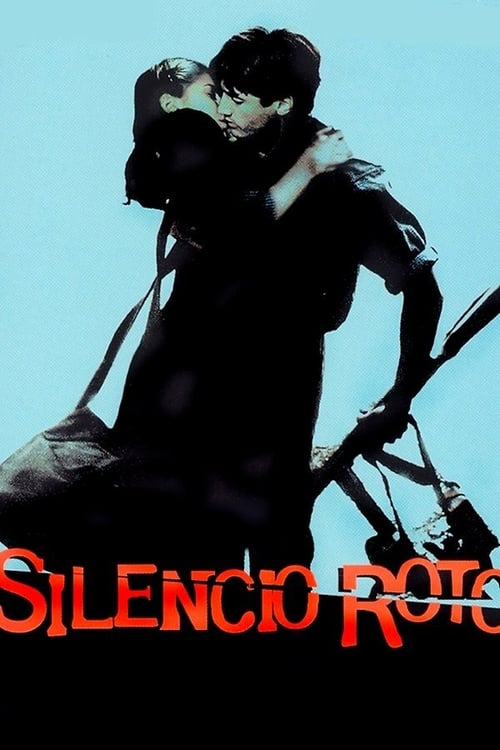
Broken Silence
2001
No user ratings available yet
Representation score: 8.2 out of 10
Representation Score
Fair
1987
Director
Julio Sánchez Valdés
Runtime
107 minutes
Average Rating
No ratings yetNew Showbiz Analysis
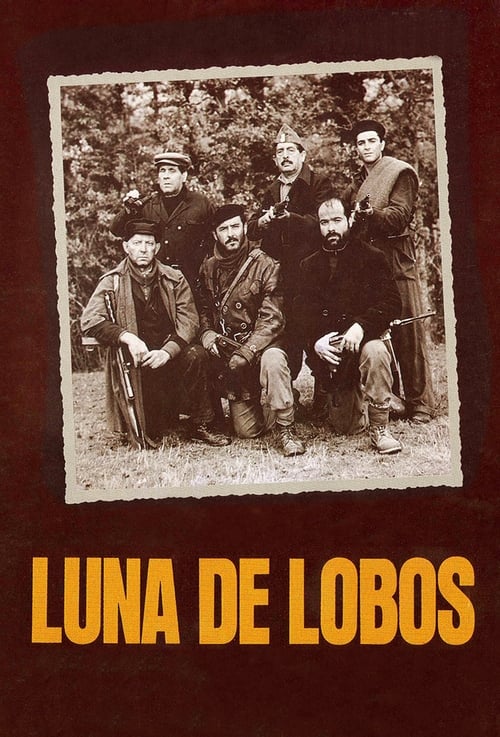
Moon of Wolves serves as a historical counter-narrative that centers the political identities suppressed by the Francoist regime. It disrupts official national myths and focuses on the struggle of the disenfranchised maquis. However, the film lacks multi-layered depth. The narrative is heavily driven by male-centric combat roles and lacks visible representation of LGBTQ+ identities or disability. Ultimately, the film's value lies in its anti-establishment stance, prioritizing the perspective of the oppressed over the preservation of the state, providing a localized view of Spanish identity.
Category Breakdown
The film does not include explicit representations of LGBTQ+ identities or dynamics that challenge the assumption that everyone is straight or cisgender. The narrative focuses on the political survival of the maquis.
The story emphasizes a male-centric view of resistance through the characters Ramiro, Santiago, and Gildo. Female characters seem to be relegated to secondary or domestic roles.
The cast is likely ethnically homogeneous, focusing on Northern Spain. However, the film centers the underrepresented Republican losers of the Civil War against the dominant post-war hierarchy.
The film provides a strong critique of state power and fascism. It portrays the maquis as systemic victims fighting against a corrupt, authoritarian power structure.
There is no evidence regarding the portrayal of physical or neurodivergent disabilities in the narrative.
Present on Screen
Limited or Absent
Official Synopsis
This is movie is about the story of the people who keep on fighting after the Spanish Civil War were officially finished. They were republicans who took shelter among the mountains (principally the mountains in the north of Spain, between Asturias and León). These people were called "maquis" and defended the thought of a Spain free of the implacable fascism of the illicit military government of General Franco, who took the power in a bloody cruel civil war. Ramiro, Santiago and Gildo are the three main characters of the movie. Santiago and Gildo got killed and eventually Ramiro decided to escape to France, bored of being isolated by the democratic governments of other countries in Europe what kept General Franco in despite of the Republican Government, elected by the Spanish people and not by the power of guns.
2001
2011
1971
1945
2019
1995
2010
2008
No reviews yet. Be the first to share your thoughts on this movie!
Use the rating form above to leave a star rating and optional review.