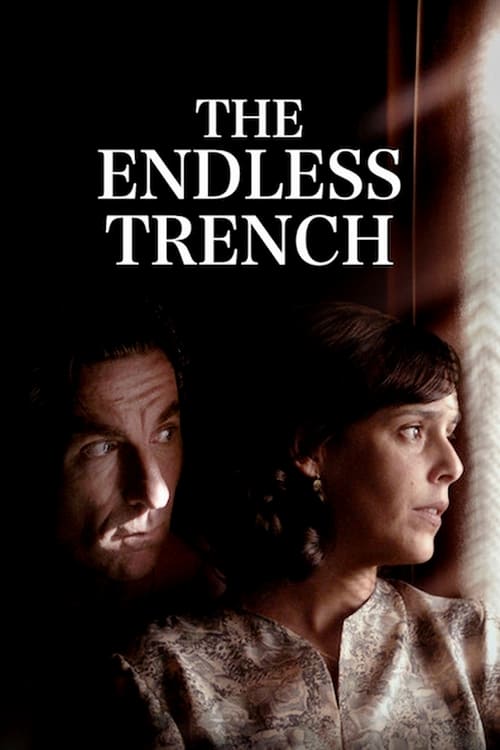
The Endless Trench
2019
No user ratings available yet
Representation score: 5.1 out of 10
Representation Score
Fair
2019
TV-MADirector
Alfonso Cortés-Cavanillas
Runtime
123 minutes
Average Rating
No ratings yetNew Showbiz Analysis
The film primarily serves as a historical critique of state power and authoritarianism. It successfully challenges the legitimacy of the Franco regime through its narrative of resistance. However, the work lacks demographic diversity. Its focus on a specific historical moment in Northern Spain results in limited representation of LGBTQ+, racial, and ethnic diversity. Ultimately, the film prioritizes political critique over broad social diversity, making it a specialized historical drama rather than a diverse character study.
Category Breakdown
The film does not include explicit LGBTQ+ character arcs or non-cisgender identities. The narrative focuses on the political and military struggles of exiled Republican soldiers.
The story centers on guerrilla fighters, a role traditionally filled by both men and women. It offers potential for showing women as active combatants rather than passive victims.
The cast appears demographically homogeneous, reflecting the specific ethnic composition of Spanish Republican exile groups. The setting is deeply rooted in a particular historical moment.
The film provides a strong critique of the nationalist, authoritarian Franco regime. It uses the guerrilla movement to challenge traditional Western and state power structures.
There is no documented evidence regarding the inclusion of characters with physical or neurodivergent disabilities in this production.
Present on Screen
Limited or Absent
Official Synopsis
Northern Spain, October 1944. Several groups of guerrilla fighters, former Republican soldiers exiled in France after the end of the Spanish Civil War, infiltrate the country in order to provoke a popular uprising against General Franco's dictatorship.
2019

2011
2001
2010

1987
1989

2019

2016
No reviews yet. Be the first to share your thoughts on this movie!
Use the rating form above to leave a star rating and optional review.