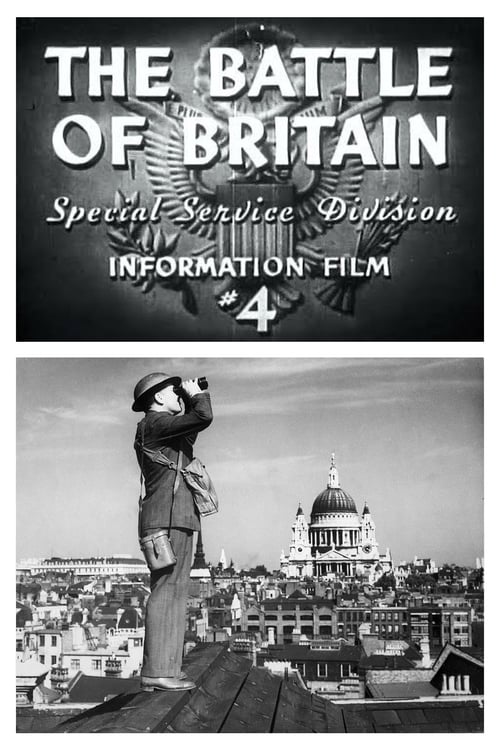
Why We Fight: The Battle of Britain
1943
No user ratings available yet
Representation score: 0.3 out of 10
Representation Score
Minimal
1945
NRDirector
Garson Kanin, Carol Reed
Runtime
87 minutes
Average Rating
No ratings yetNew Showbiz Analysis
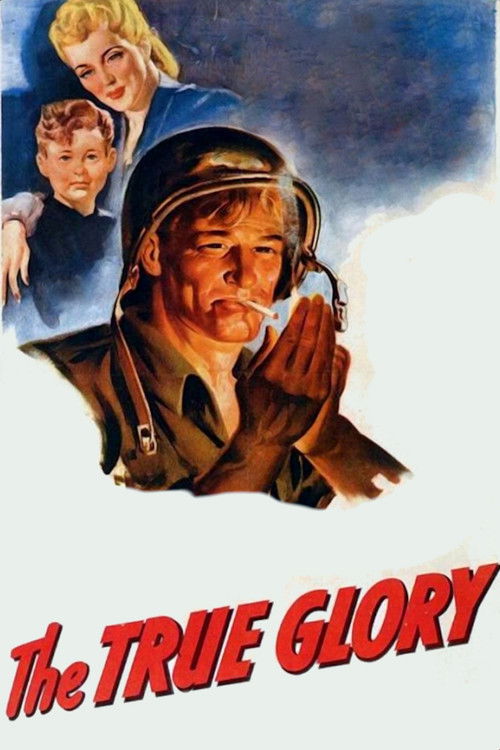
The True Glory serves as a historical document reflecting the institutional hierarchies of 1945. Its narrative structure is designed to reinforce military discipline and collective Allied identity, which inherently prioritizes traditional Western structures. Since the film was made as a tool for wartime cohesion, it lacks complexity in cultural representation. The representation is limited by the social constraints and documentation priorities of the time. Overall, the film emphasizes masculine leadership and racial homogeneity, lacking diverse perspectives.
Category Breakdown
The documentary strictly follows the military structures of the 1940s and does not depict any non-cisgender identities or same-sex relationships.
Men hold nearly all the key roles in combat and strategy, while women are mostly seen in supporting roles like nursing and domestic work.
The film focuses on a predominantly white Allied force and does not intentionally represent diverse ethnic groups in combat or leadership roles.
It emphasizes Western patriotism and state-sanctioned military authority, promoting a moral dichotomy aligned with mid-century Western democratic ideals.
The film does not address neurodivergence or physical disabilities, focusing instead on the functional abilities of able-bodied soldiers.
Present on Screen
Limited or Absent
Official Synopsis
A documentary account of the allied invasion of Europe during World War II compiled from the footage shot by nearly 1400 cameramen. It opens as the assembled allied forces plan and train for the D-Day invasion at bases in Great Britain and covers all the major events of the war in Europe from the Normandy landings to the fall of Berlin.
1943

1946
2014
2018

1943
1944

1944
2019
No reviews yet. Be the first to share your thoughts on this movie!
Use the rating form above to leave a star rating and optional review.