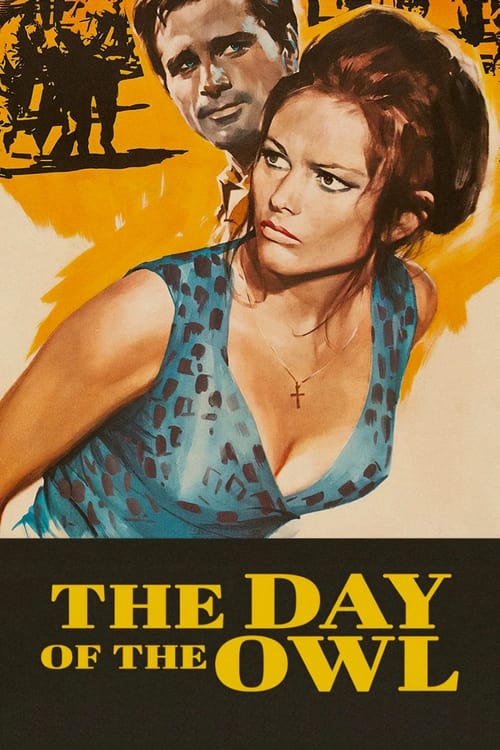
The Day of the Owl
1968
No user ratings available yet
Representation score: 2.7 out of 10
Representation Score
Limited
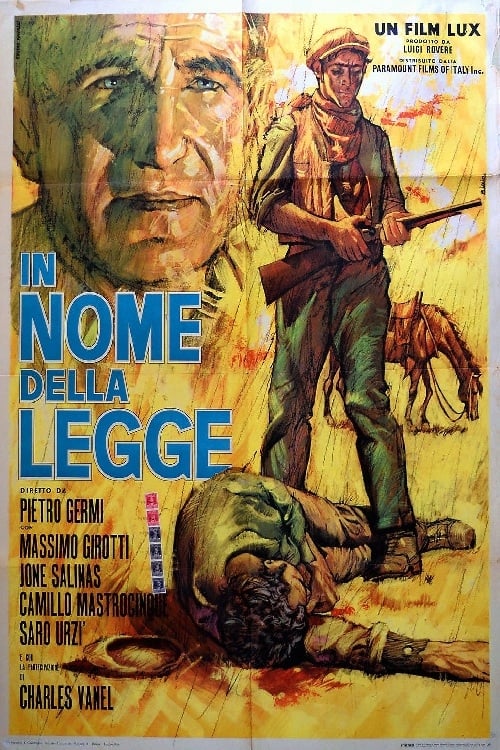
1949
Director
Pietro Germi
Runtime
100 minutes
Average Rating
No ratings yetNew Showbiz Analysis
Pietro Germi’s film focuses on the tension between different systems of authority rather than showcasing a wide range of diverse identities. The movie emphasizes the breakdown of centralized power structures and the clash between national laws and local traditions. Though the narrative offers a critical view of power structures, it remains firmly grounded in the patriarchal and homogeneous social order of post-war Italy. The film does not explore a broad spectrum of diverse identities, concentrating instead on the cultural dynamics of a Sicilian village.
Category Breakdown
The film follows traditional Sicilian social structures and does not include any representation of non-straight identities or challenges to the idea that everyone is straight.
Men hold most positions of authority in both the government and local communities. Women play supporting roles, stabilizing families rather than driving the main storyline.
The cast and setting are ethnically uniform, reflecting the specific region of 1949 Sicily. The story centers on the internal conflicts within this particular cultural group.
The film provides a detailed look at the conflict between official state laws and the unofficial, locally governed rules of the community.
There is no significant depiction of physical or cognitive disabilities in this film.
Present on Screen
Limited or Absent
Official Synopsis
A young, by-the-book judge is appointed to a Sicilian village controlled by corrupt leaders and the mafia.
1968

1949
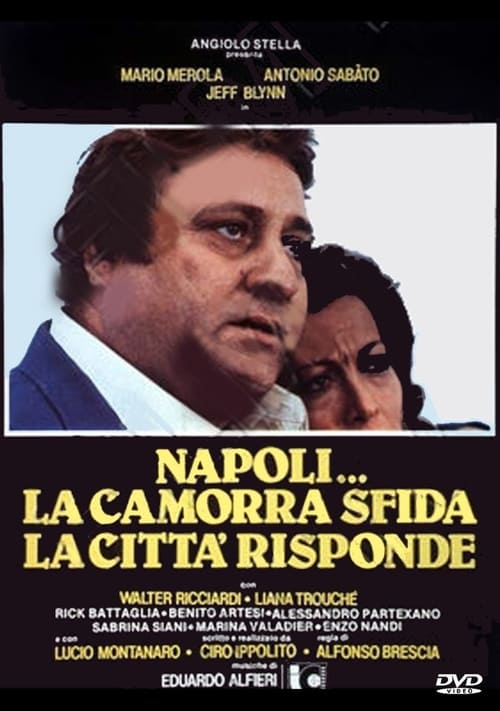
1979

1953
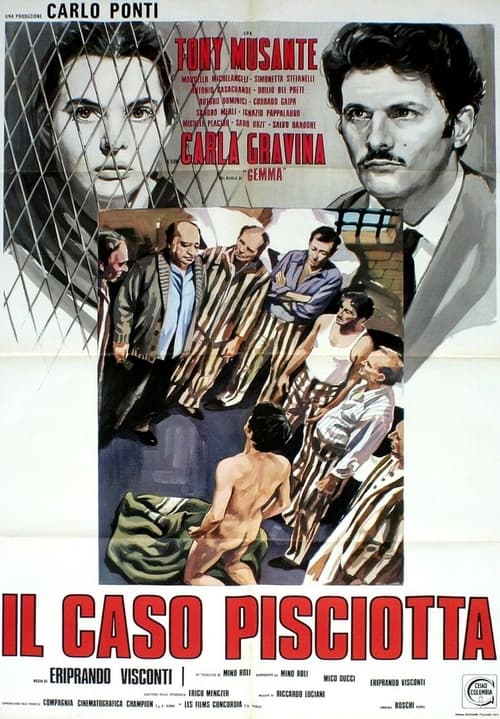
1972

2013
1994

1972
No reviews yet. Be the first to share your thoughts on this movie!
Use the rating form above to leave a star rating and optional review.