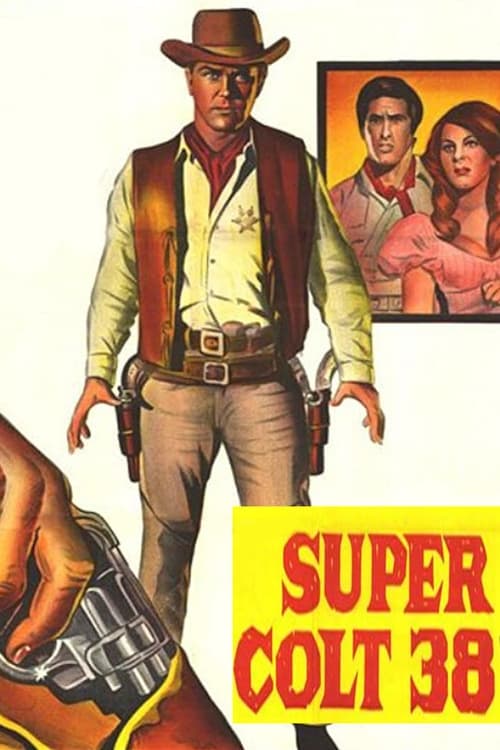
Super Colt 38
1969
No user ratings available yet
Representation score: 2.3 out of 10
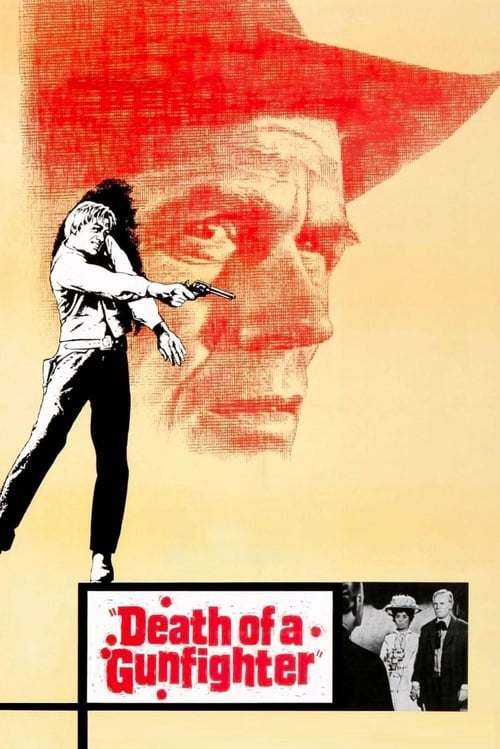
Representation Score
Minimal
1969
PGDirector
Robert Totten, Alan Smithee, Don Siegel
Runtime
94 minutes
Average Rating
No ratings yetNew Showbiz Analysis
Death of a Gunfighter functions as a revisionist deconstruction of the Western genre rather than a socially inclusive piece of cinema. It finds its progressive value in intellectual subversion, questioning the morality of frontier justice and the transition toward institutional law. However, this thematic depth does not translate to demographic variety. The film remains rooted in the traditional, narrow social compositions typical of 1960s Westerns, prioritizing the obsolescence of the masculine hero over diverse representation.
Category Breakdown
The film focuses almost exclusively on masculine archetypes and frontier justice. There is no evidence of non-straight relationships or narratives challenging the assumption that everyone is straight.
The narrative adheres to traditional gender roles, focusing on the male protagonist. Female characters lack ability to act or complex characterization within this male-dominated institutional conflict.
The setting appears historically homogeneous and Anglo-centric. There is no evidence of significant racial blending or non-white majority casting in the narrative.
The film achieves moderate marks by deconstructing the romanticized Western mythos. It critiques the invincible gunslinger archetype through a lens of moral relativism.
There is no documented evidence of characters with visible or invisible disabilities portrayed with real power or as central to the story.
Present on Screen
Limited or Absent
Official Synopsis
In the turn-of-the century Texas town of Cottonwood Springs, marshal Frank Patch is an old-style lawman in a town determined to become modern. When he kills drunken Luke Mills in self-defense, the town leaders decide it's time for a change. That ask for Patch's resignation, but he refuses on the basis that the town, on hiring him, had promised him the job for as long as he wanted it. Afraid for the town's future and even more afraid of the fact that Marshal Patch knows all the town's dark secrets, the city fathers decide that old-style violence is the only way to rid themselves of the unwanted lawman.
1969
1958
1966
1971
1959
1959
1955

1980
No reviews yet. Be the first to share your thoughts on this movie!
Use the rating form above to leave a star rating and optional review.