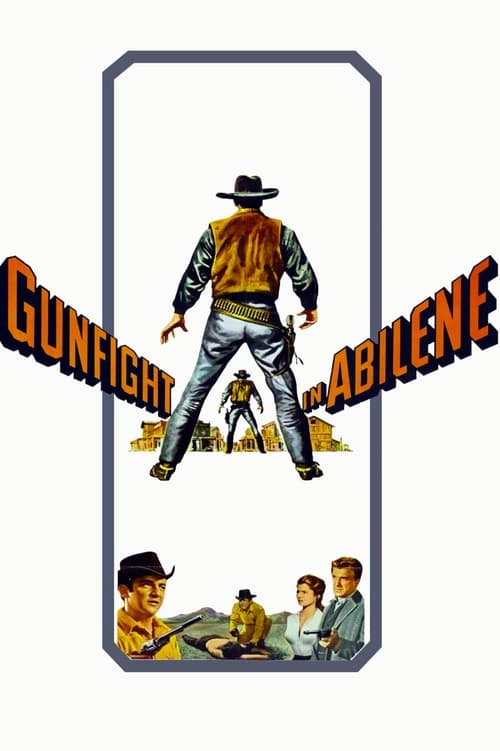
Gunfight in Abilene
1967
No user ratings available yet
Diversity score: 2.1 out of 10

1959
NRDirector
Joseph M. Newman
Runtime
81 minutes
Average Rating
No ratings yetSynopsis
Fleeing to Dodge City after killing a man in self defence Masterson finds his brother Ed (Harry Lauter) running for sheriff of the town. When Ed is killed by hired guns of the corrupt incumbent Bat is determined to settle the score with violence but he is convinced by the townspeople that the best way to avenge his brother's death is by taking Ed's place on the ballot. Bat agrees and wins the election but his new role on the right side of the law will lead him to unexpected confrontations as he finds himself torn between his loyalties to his friends and his duties as sheriff.
Overall Score
Minimal
Category Breakdown
LGBTQ+ Representation
The film operates within a strictly heteronormative framework. There is no discernible presence of non-cisnormative gender identities or same-sex intimacy.
Gender Representation
Narrative agency is concentrated almost exclusively in male characters. Women appear in supportive or domestic capacities, lacking the power to drive the central conflict.
Racial & Ethnic Diversity
The cast is predominantly white, reflecting the historical homogeneity of 1950s Westerns. The film does not utilize diverse ethnic ensembles to challenge social constraints.
Religious & Cultural Diversity
The plot reinforces the legitimacy of established authority and legal structures. It promotes traditional Western institutional values rather than critiquing them.
Disability Representation
There are no prominent depictions of visible or invisible disabilities. Characters are defined by the standard physical capabilities required for the Western genre.
Strengths
Areas for Improvement
AI Analysis
The Gunfight at Dodge City is a quintessential product of the late 1950s studio system. It functions as a traditionalist narrative that upholds conventional social and institutional hierarchies rather than disrupting them. The film prioritizes the stabilization of the frontier through formal law. By focusing on the protagonist's transition into a legal role, the story reinforces the legitimacy of established authority and civic duty. Ultimately, the work eschews the exploration of identity politics. It adheres to the standard mid-century understandings of gender, race, and social order common to the genre.
1967
1947

1958
1953
1956
1967
1951

1956
1955
1950
1963
1951
No reviews yet. Be the first to share your thoughts on this movie!
Use the rating form above to leave a star rating and optional review.