
Innocents with Dirty Hands
1975
No user ratings available yet
Representation score: 5.7 out of 10

Representation Score
Fair
1967
M/PGDirector
Claude Chabrol
Runtime
96 minutes
Average Rating
No ratings yetNew Showbiz Analysis
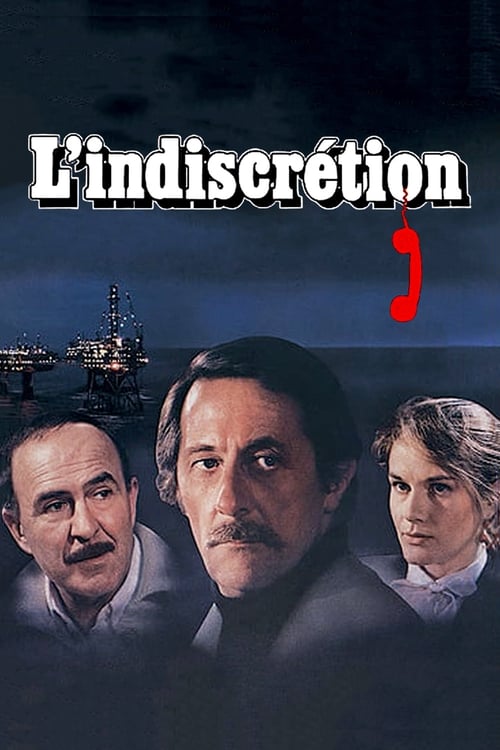
Claude Chabrol’s direction elevates this thriller from a standard genre piece to a sophisticated critique of bourgeois morality and systemic corruption. The film succeeds by challenging traditional power dynamics, placing a woman at the heart of a high-stakes conspiracy. While the film lacks modern markers of identity politics, such as explicit LGBTQ+ representation or disability visibility, it offers a meaningful departure from homogeneous Western settings by using a Greek backdrop. The focus on NATO and U.S. radar installations allows for a nuanced exploration of institutional integrity. Ultimately, the film's strength lies in its narrative structure, which challenges the perceived infallibility of Western military and political hierarchies through its central protagonist.
Category Breakdown
The film does not include any explicit LGBTQ+ characters or non-straight relationships. It follows a widow within a traditional 1960s espionage framework.
A female protagonist drives the story, playing a central role rather than being a passive victim. She navigates a male-dominated geopolitical landscape with significant influence.
The Greek setting provides a non-Anglo-Saxon backdrop. However, the plot remains centered on Western geopolitical interests involving NATO and U.S. military installations.
The narrative critiques Western institutional stability and moral relativism. It explores systemic corruption within international organizations through a lens of situational ethics.
There is no evidence regarding the depiction of physical or neurodivergent disabilities in the film.
Present on Screen
Limited or Absent
Official Synopsis
The widow of a murdered undercover NATO officer in Greece is the prime suspect in his killing. She finds herself embroiled in a bigger conspiracy about the sabotage of U.S. radar installations while trying to prove her innocence.
1975

1979

1967

1969
1978
1973
1982

1965
No reviews yet. Be the first to share your thoughts on this movie!
Use the rating form above to leave a star rating and optional review.