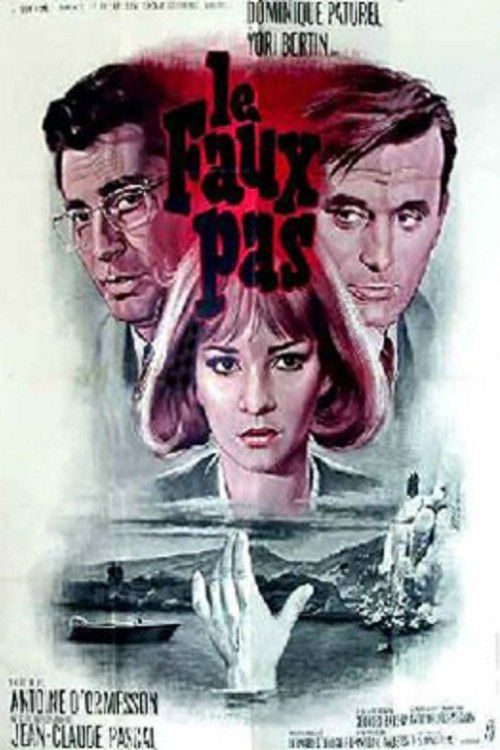
The False Step
1965
No user ratings available yet
Representation score: 2.7 out of 10

Representation Score
Limited
1960
Director
Hiromichi Horikawa
Runtime
95 minutes
Average Rating
No ratings yetNew Showbiz Analysis
The film serves as a psychological study of moral failure within a rigid social framework. It lacks intentional characters who reflect more than one aspect of diversity, focusing instead on the deconstruction of the 'ideal' citizen. While the cast is homogeneous, the story provides a cynical look at social stability. The narrative's strength lies in its subversion of traditional archetypes. By showing a respectable professional's descent into destruction, it critiques the performative morality of the era. However, the film's scope is narrow. It adheres to the demographic realities of 1960s Japan, offering little in the way of diverse identities or non-straight perspectives.
Category Breakdown
The film does not include any LGBTQ+ characters or explore non-straight relationships. The main plot revolves around a traditional heterosexual relationship that leads to the protagonist's moral decline.
The female co-worker plays a significant role in the affair and subsequent blackmail. However, the story focuses mainly on the male protagonist's psychological unraveling.
As a 1960 Japanese production, the film depicts a culturally homogeneous society. It reflects the era's demographics without exploring racial or ethnic blending.
The narrative critiques the 'salaryman' archetype by exposing infidelity and deception. It challenges the perceived sanctity of mid-century Japanese corporate and familial institutions.
There is no documented evidence regarding the portrayal of physical or neurodivergent disabilities in this work.
Present on Screen
Limited or Absent
Official Synopsis
Suspense drama about a married salaryman whose affair with one of his co-workers is compromised when, returning from a clandestine meeting with his lover, he runs into a neighbor who is later accused of murder. Questioned by police about the neighbor, and blackmailed by his lover's neighbor, the salaryman's lies lead him on a path to destruction.
1965

1958

1957

1969

1964

1991

1956

1956
No reviews yet. Be the first to share your thoughts on this movie!
Use the rating form above to leave a star rating and optional review.