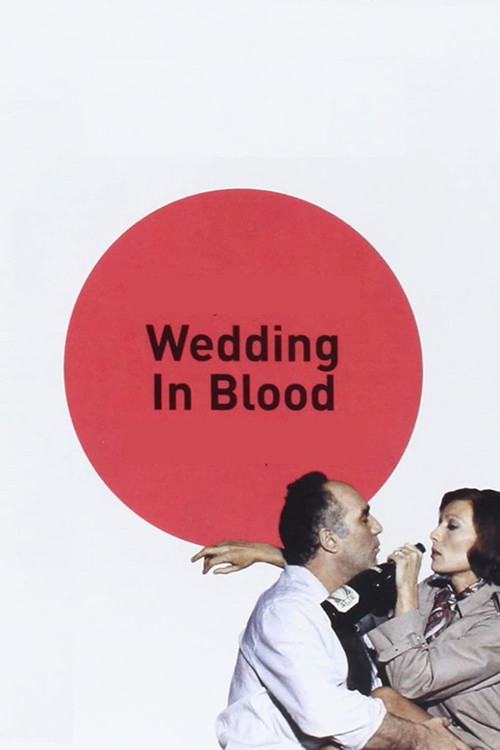
Wedding in Blood
1973
No user ratings available yet
Representation score: 4.0 out of 10
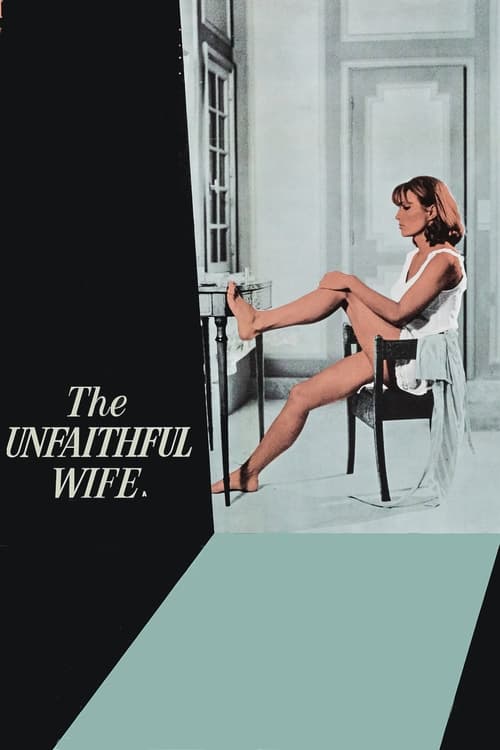
Representation Score
Limited
1969
RDirector
Claude Chabrol
Runtime
94 minutes
Average Rating
No ratings yetNew Showbiz Analysis
Claude Chabrol’s film focuses on psychological depth rather than broad demographic representation. It successfully challenges traditional gender roles by emphasizing the female lead's autonomy. However, the film lacks diverse representation regarding race and ethnicity. It maintains a homogeneous cast and does not include any LGBTQ+ characters. The narrative operates within a narrow social context, reflecting the specific social constraints of 1960s French bourgeois society.
Category Breakdown
The film focuses solely on heterosexual relationships and does not include any LGBTQ+ representation or queer subtext.
The film challenges traditional gender roles by highlighting the female lead's autonomy and pursuit of personal desires.
The cast is predominantly white and upper-middle-class, reflecting the social context of 1960s France.
The film critiques middle-class morality and portrays the nuclear family as a source of tension rather than stability.
The film does not feature any characters with visible or invisible disabilities that play a central role in the plot.
Present on Screen
Limited or Absent
Official Synopsis
A man begins to believe his wife is cheating on him.
1973

1994

1967

2010
1960
1991
1958
1959
No reviews yet. Be the first to share your thoughts on this movie!
Use the rating form above to leave a star rating and optional review.