Death Kiss
1974
No user ratings available yet
Representation score: 0.4 out of 10
Representation Score
Limited
1971
RDirector
Maurizio Lucidi
Runtime
105 minutes
Average Rating
No ratings yetNew Showbiz Analysis
This 1970s Italian thriller focuses on psychological suspense and adheres closely to the era's cinematic conventions. It offers limited exploration of diverse representation or multi-layered themes. The film centers on traditional hierarchies, particularly around gender and race, using psychological instability as a genre mechanic rather than a meaningful examination of mental health or disability. Ultimately, the work reflects the demographic and socioeconomic norms of its time, focusing on upper-class character studies within a conventional Western framework.
Category Breakdown
The film does not include any LGBTQ+ characters or relationships that go beyond traditional heterosexual norms. The central relationships are based on conventional heterosexual dynamics.
Female characters are often portrayed as passive or reactive, serving as objects of desire or support for male characters. The story emphasizes masculine struggles and psychological tension.
The cast is primarily composed of white and European actors, reflecting the cultural context of 1970s Italian cinema. There is no significant racial or ethnic diversity.
The story focuses on high-society urban settings and individual obsessions. A hippie character appears but serves mainly as a plot device rather than a cultural critic.
Themes of paranoia and instability are used as thriller elements. The film does not offer nuanced depictions of neurodivergence or characters with disabilities having significant roles.
Present on Screen
Limited or Absent
Official Synopsis
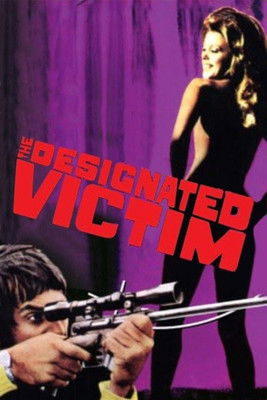
Stefano Augenti, an ambitious advertising executive, meets a curious hippie named Count Mateo Tiepolo and they form a strange bond. Seeking an escape from his unhappy marriage, Augenti is lured by the Count into a bizarre plot to kill each other's relatives.
1974
1977

1990
1971
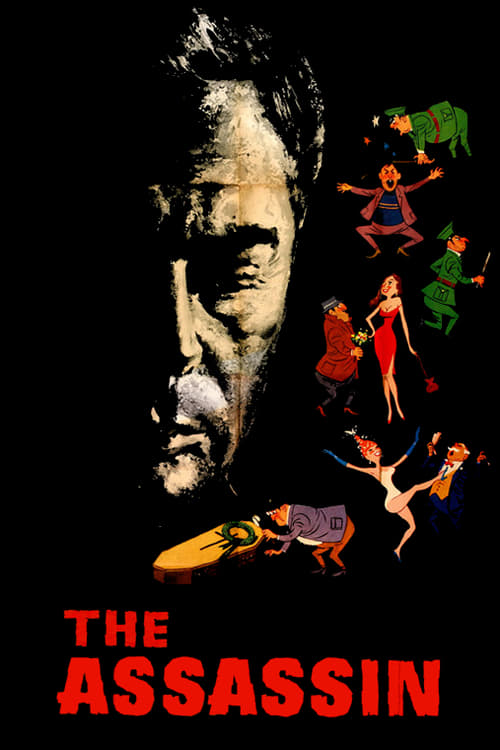
1961
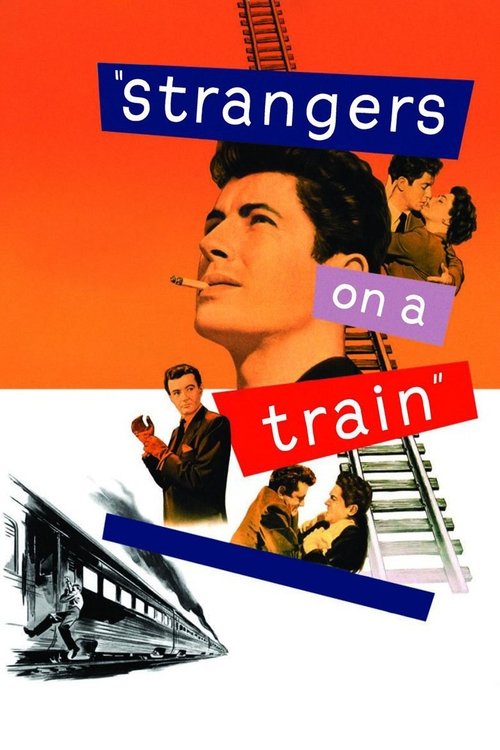
1951
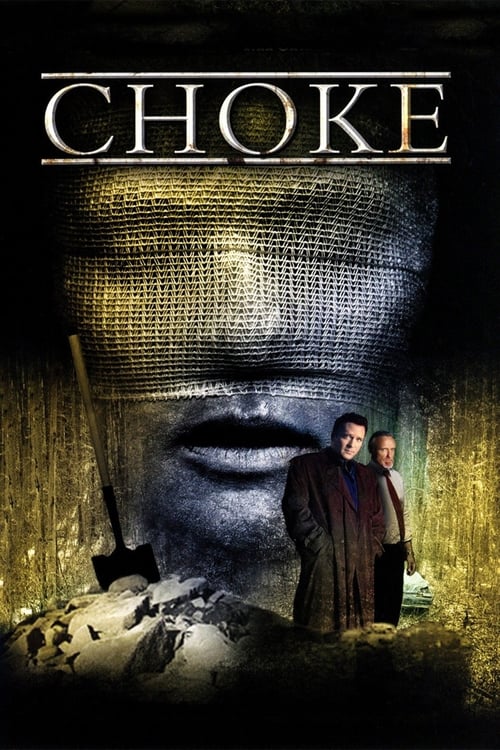
2001
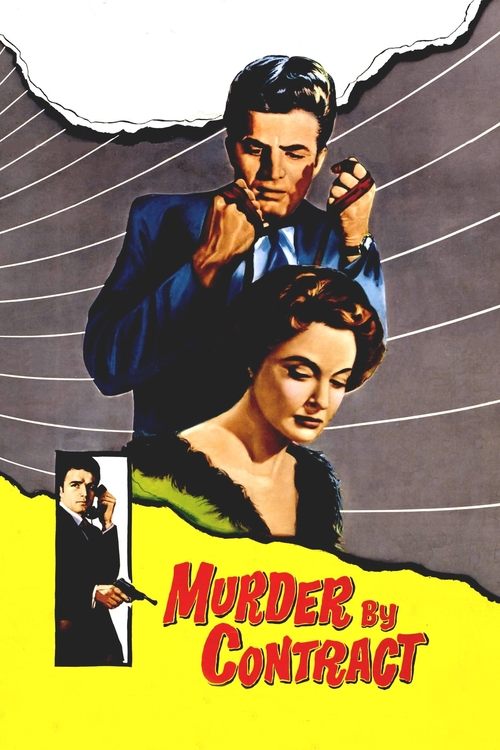
1958
No reviews yet. Be the first to share your thoughts on this movie!
Use the rating form above to leave a star rating and optional review.