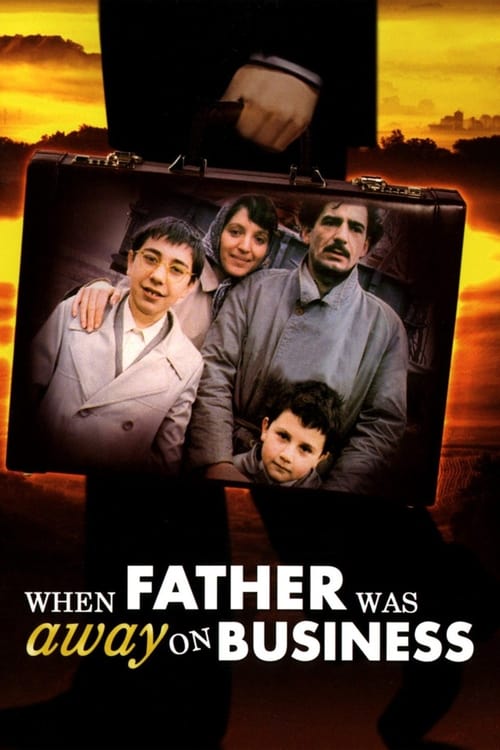
When Father Was Away on Business
1985
No user ratings available yet
Representation score: 5.8 out of 10
Representation Score
Limited
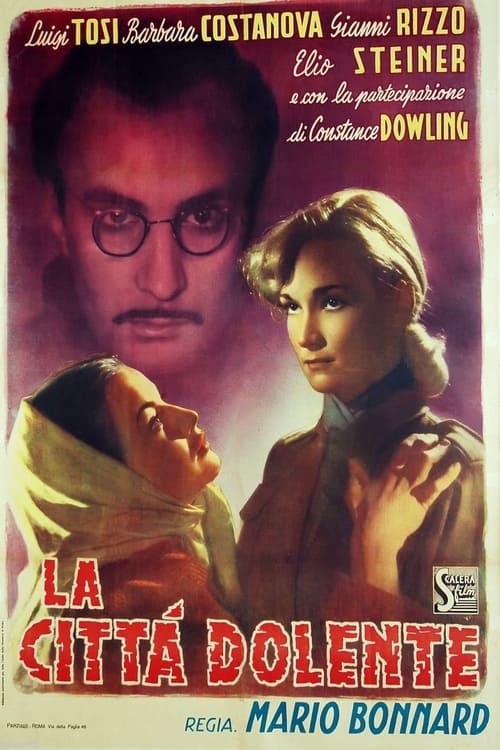
1949
Director
Mario Bonnard
Runtime
99 minutes
Average Rating
No ratings yetNew Showbiz Analysis
City of Pain is a period drama centered on the geopolitical upheaval of the Pola evacuation. It functions as a study of political displacement and the erosion of sovereignty through a traditional lens. The film provides a sophisticated look at the complexities of political ideology. The protagonist's journey from optimism regarding Communism to tragic disillusionment offers a nuanced perspective on systemic political transitions. However, the work adheres to the social constraints and storytelling norms of its era. It relies on conventional demographic structures rather than intentional disruptions of social hierarchies or the way different parts of someone's identity overlap.
Category Breakdown
The film focuses on traditional familial and political struggles during the Pola evacuation. There is no representation of non-binary genders or critiques of the assumption that everyone is straight or cisgender.
The story is driven by a male protagonist navigating political shifts and family survival. Women are present within the family but do not have significant control over the plot.
The drama centers on ethnic tensions between Italian and Yugoslav populations. It reflects a homogeneous European demographic typical of 1949, lacking diverse non-white casting.
The story offers a nuanced view of political ideology through a protagonist's failed optimism regarding Communism. It focuses on the human cost of geopolitical shifts rather than secularism.
There is no evidence of characters with visible or invisible disabilities being used to drive the narrative or provide meaningful representation.
Present on Screen
Limited or Absent
Official Synopsis
The city of Pola is being evacuated after the peace conference of 1947 decided to assign the sovereignty to Tito's Yugoslavia. However the main character decides to stay, thinking that Communism might bring him a better future. Life turns to be hard for him and his family until he changes his mind, but he is killed before he can leave the country.
1985
1948
1986
1995
1948
1949
1952
1965
No reviews yet. Be the first to share your thoughts on this movie!
Use the rating form above to leave a star rating and optional review.