
Train without a Timetable
1959
No user ratings available yet
Representation score: 6.6 out of 10
Representation Score
Limited
1986
Director
Nikola Stojanović
Runtime
116 minutes
Average Rating
No ratings yetNew Showbiz Analysis
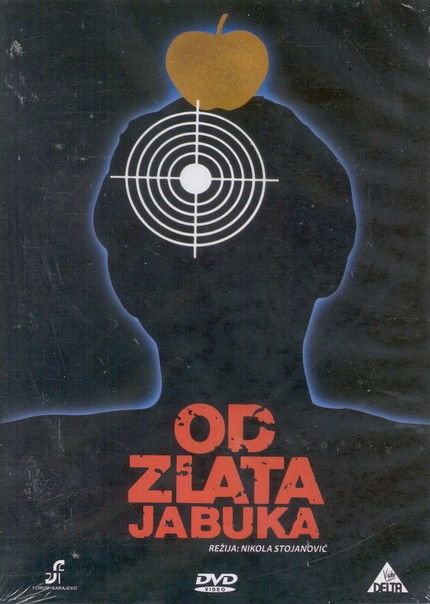
Golden Apple is a historical drama rooted in Yugoslavian social realism. It prioritizes the macro-level impact of geopolitical shifts, such as the Tito-Stalin split, over modern multi-layered identity politics. The film's strength lies in its exploration of class struggle and the friction between agrarian traditions and state-driven political restructuring. It provides a window into the socio-economic pressures of the post-WWII era. However, the film lacks representation for LGBTQ+ individuals and does not actively deconstruct gender or disability hierarchies. It remains a period-specific study of systemic and regional identity.
Category Breakdown
The film does not depict any non-straight relationships or identities. It focuses on traditional family dynamics dealing with economic hardships rather than exploring LGBTQ perspectives.
The story centers on a poor family, likely emphasizing traditional patriarchal roles common in mid-century Balkan dramas. There is no indication of challenging gender hierarchies.
The film explores regional identity through migration from Herzegovina to Vojvodina. It highlights internal Yugoslavian nuances but does not disrupt traditional demographic expectations.
The narrative prioritizes systemic critique by framing family struggles through the Tito-Stalin split. It focuses on class-based friction and geopolitical instability over religious morality.
There is no mention of characters with visible or invisible disabilities within the narrative.
Present on Screen
Limited or Absent
Official Synopsis
In the first year of freedom after WW2, a poor family from rocky Herzegovina moves to fertile province of Vojvodina hoping for a better life. However, there they face different type of troubles following the Tito's break-up with Stalin in 1948. Destinies of individual members of this family are about to have a tragic epilogue.
1959
1985

1987

1948

1968
1949
2018

2001
No reviews yet. Be the first to share your thoughts on this movie!
Use the rating form above to leave a star rating and optional review.