
Paprika
1932
No user ratings available yet
Representation score: 1.0 out of 10
Representation Score
Minimal
1952
Director
Franz Antel
Runtime
105 minutes
Average Rating
No ratings yetNew Showbiz Analysis
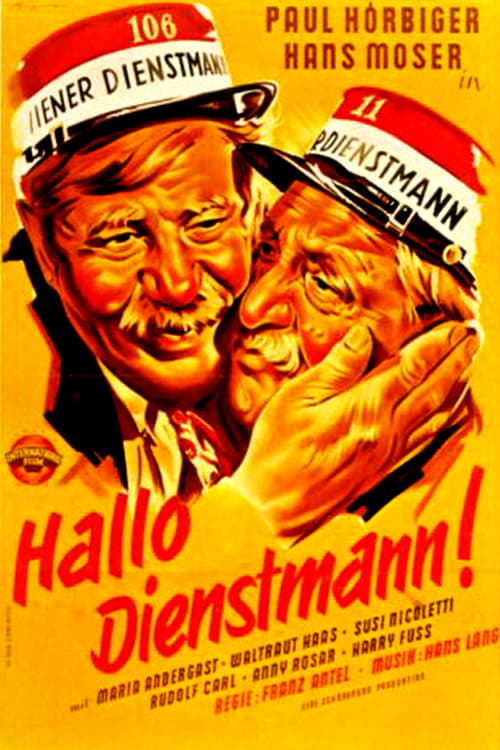
Hello Dienstmann is a period-specific comedy that prioritizes traditional Viennese charm and situational humor over social complexity. It functions as a classic comedy of errors rooted in the social norms of 1950s Austria. The film lacks depth in reflecting multiple aspects of identity, operating within a culturally monolithic framework. While it adheres to many conventional formulas of the era, the character of Gabi provides a minor challenge to typical gendered power dynamics. Ultimately, the narrative focuses on class distinctions and romantic pursuit, reinforcing the established social structures of its time rather than deconstructing them.
Category Breakdown
The film follows a traditional romantic structure focused on heterosexual relationships. There is no evidence of queer subtext or non-cisgender identities.
The male protagonist drives the central conflict, while Gabi plays a significant role in the story. She uses her awareness of the deception to teach the professor a lesson tactically.
Set in 1951 Vienna, the film reflects the demographic homogeneity of the era. The cast is centered on local Viennese archetypes without racial blending.
The story celebrates Viennese culture through operetta and class distinctions. It reinforces traditional social hierarchies and romantic morality rather than challenging them.
There is no information regarding characters with visible or invisible disabilities. No instances of disability-related ability to act or mockery are present in the narrative.
Present on Screen
Limited or Absent
Official Synopsis
Vienna, 1951. Ferdinand Godai is a professor of operetta at the Academy. Disguised as a porter for a costume party, he ends up in a drunken mood at the South Station. There he meets Anton Lischka, a genuine Viennese porter with a fiery temper, who asks him for his collegial help. Ferdinand falls in love with the sweet Gabi, who turns out to be a new colleague at the Academy. A series of adverse circumstances force him to continue his complicated double life as a fake porter and a genuine professor. Lischka, who becomes increasingly annoyed by his "colleague's" clumsiness, is also drawn into the confusion. Only Gabi sees through the deception and even contributes to its escalation in order to teach her beloved professor-porter a lesson in womanizing.
1932
1952
1944
1958
1973
1973

1946
1957
No reviews yet. Be the first to share your thoughts on this movie!
Use the rating form above to leave a star rating and optional review.