
Sex and the Single Girl
1964
No user ratings available yet
Representation score: 1.7 out of 10
Representation Score
Limited
1958
NRDirector
George Seaton
Runtime
120 minutes
Average Rating
No ratings yetNew Showbiz Analysis
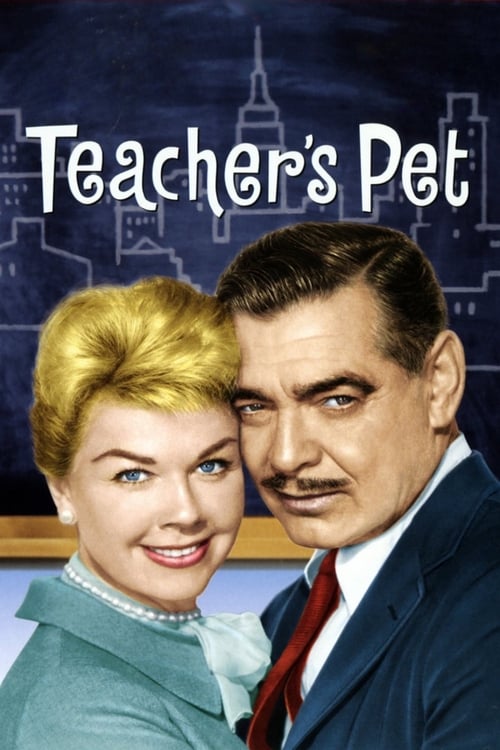
Teacher's Pet is a product of its time, marked by a lack of diverse representation and a predominantly white cast. It adheres to the conventional casting practices of 1950s Hollywood, offering minimal LGBTQ+ or racial diversity. However, the film stands out in its thematic subversion. Instead of reinforcing rigid moral absolutes, it delves into situational ethics and the tension between professional duty and personal desires. Using the romantic comedy genre, it questions the boundaries of social norms. Ultimately, the film’s strength lies in its narrative structure. By emphasizing individual emotional autonomy over institutional rigidity, it challenges the sanctity of established social orders through its central conflict.
Category Breakdown
The film does not depict any non-straight relationships. The main romance focuses solely on a heterosexual relationship between the lead characters.
The film complicates traditional power structures by putting a male authority figure in a socially vulnerable position. The female lead drives much of the romantic plot, challenging the teacher-student hierarchy.
The production reflects the era's lack of diversity with a predominantly white cast. There is a noticeable absence of racial or ethnic diversity among the main cast and urban setting.
The film examines the tension between institutional rules and personal emotions. It highlights how strict social codes can suppress individual freedom and personal truth.
There are no significant portrayals of physical or neurodivergent disabilities within the main character arcs or supporting cast.
Present on Screen
Limited or Absent
Official Synopsis
The rugged editor of a city newspaper poses as a journalism student and flirts with the professor.
1964

1957

1957
1959
1938
1940

1958

1960
No reviews yet. Be the first to share your thoughts on this movie!
Use the rating form above to leave a star rating and optional review.