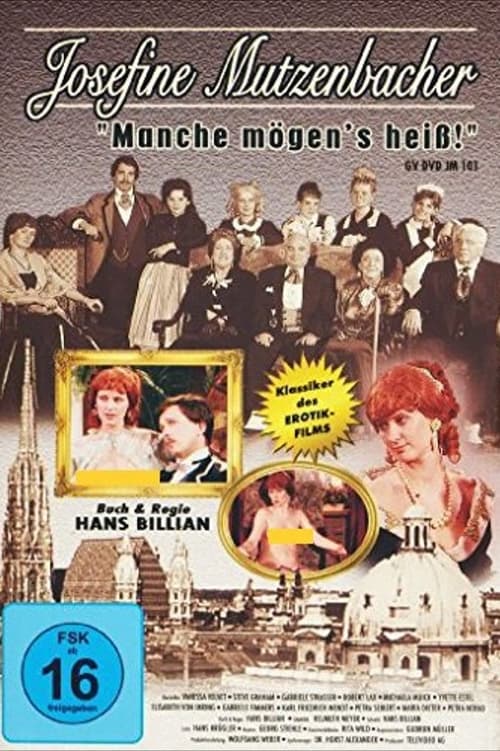
Josefine Mutzenbacher - Manche mögen's heiß
1991
No user ratings available yet
Representation score: 4.5 out of 10
Representation Score
Limited
1973
Director
Sigi Rothemund
Runtime
85 minutes
Average Rating
No ratings yetNew Showbiz Analysis
Love Bavarian Style is a product of its era, using identity as a vehicle for farce rather than meaningful exploration. The central conflict relies on a protagonist performing a non-straight identity to achieve a social goal, limiting the depth of its queer representation. The film's structure adheres to traditional gender and class hierarchies. The focus on protecting a wealthy daughter suggests a narrative driven by social status and conventional roles rather than character-driven ability to act. Ultimately, the film lacks multi-layered complexity. It relies on situational comedy and homogeneous casting, reflecting the limited cinematic scope of 1970s European comedies.
Category Breakdown
The film uses homosexuality as a comedic tool for the protagonist's deception. While there is a brief glimpse of authentic queer identity, the plot mainly treats non-straight identities as tools for subterfuge.
The narrative focuses on traditional gender hierarchies, with the female lead functioning primarily as a plot catalyst rather than a character with independent ability to act.
Set in Bavaria, the film features a homogeneous cast with no apparent effort to include diverse racial backgrounds.
The story reinforces established social and familial hierarchies through its focus on class and chaperoning, operating within the conventional structures of mid-century European comedy.
The film does not feature any characters with visible or invisible disabilities.
Present on Screen
Limited or Absent
Official Synopsis
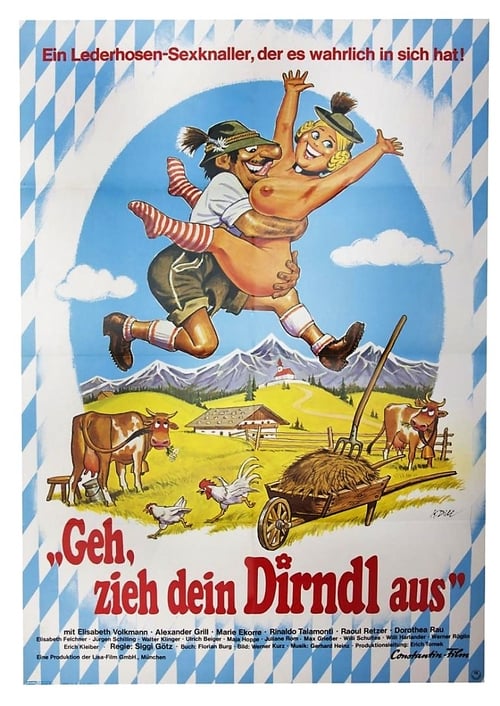
Vittorio pretends to be gay so he can chaperone a rich man's daughter on vacation in Germany. Unfortunately his driver really is gay and Vittorio has a problem.
1991
1985
1956

1973
1997
1980
1963

1987
No reviews yet. Be the first to share your thoughts on this movie!
Use the rating form above to leave a star rating and optional review.