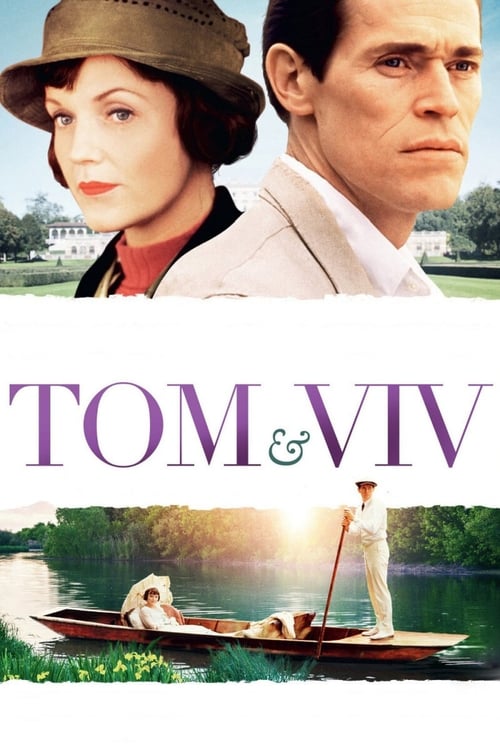
Tom & Viv
1994
No user ratings available yet
Representation score: 2.6 out of 10
Representation Score
Limited
1985
Director
Norman Stone
Runtime
92 minutes
Average Rating
No ratings yetNew Showbiz Analysis
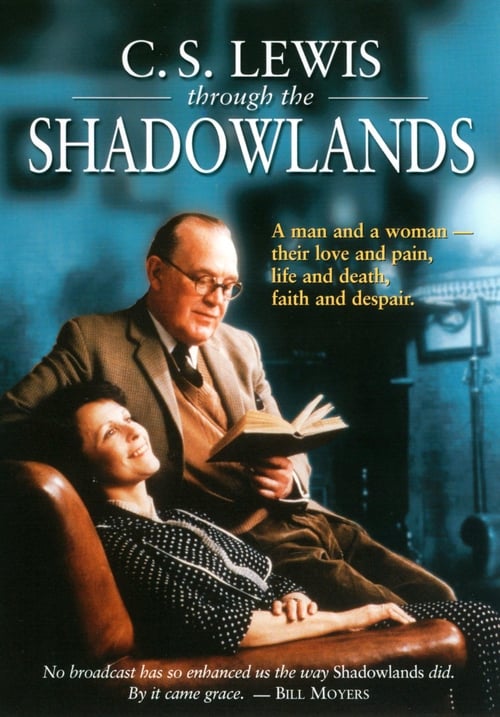
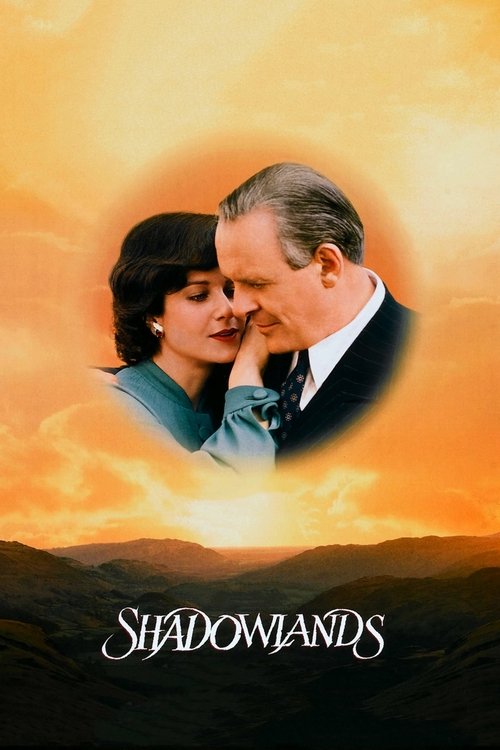
Shadowlands is a period drama that emphasizes biographical accuracy over broad diversity. Its main strength is in portraying Joy Gresham as an independent thinker rather than a passive love interest, which elevates the film beyond simplistic romance. However, the film is deeply rooted in the demographic uniformity of its historical context. The focus on mid-century British academic and religious circles leads to a lack of racial and ethnic diversity. The narrative structure remains conventional and oriented toward straight relationships. Ultimately, the film excels as a nuanced exploration of faith and personal connection, despite being constrained by the social norms of its specific historical and biographical focus.
Category Breakdown
The film centers on a heterosexual relationship between the main characters. It does not include non-binary genders or LGBTQ themes, sticking to a typical straight-focused biography.
Joy Gresham is shown with significant control over her own life and decisions. She avoids the 'submissive female' stereotype, acting as a complex person whose independence drives the main conflict.
The setting reflects the historical uniformity of mid-20th-century British academic and religious circles. The story does not include diverse ethnic viewpoints, staying true to the era's social norms.
The story explores the tension between religious institutions and personal emotions. It looks at how grief and personal connections affect spiritual beliefs and Christian arguments.
There are no visible or hidden disabilities that play a central role in the characters' stories. Disabilities are not used as key plot devices in the narrative.
Present on Screen
Limited or Absent
Official Synopsis
A play based on the friendship between CS Lewis and Joy Gresham.
1994
1996
1993
1991

1984
1951
1962

1969
No reviews yet. Be the first to share your thoughts on this movie!
Use the rating form above to leave a star rating and optional review.