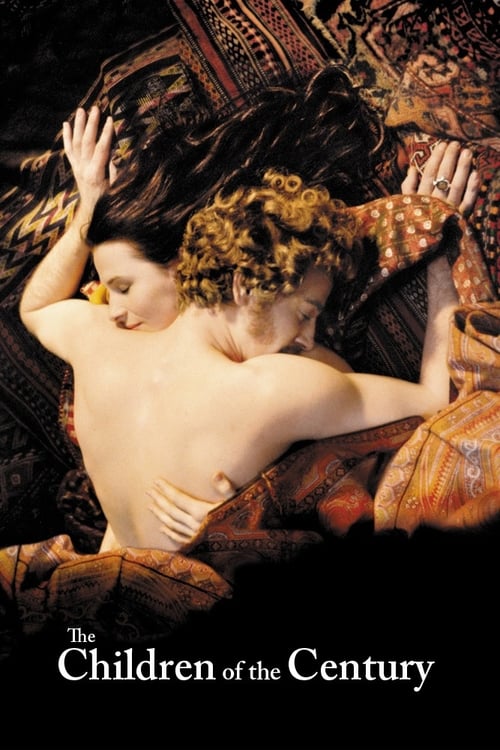
The Children of the Century
1999
No user ratings available yet
Representation score: 4.4 out of 10

Representation Score
Fair
2000
Director
Olivier Assayas
Runtime
180 minutes
Average Rating
No ratings yetNew Showbiz Analysis
Sentimental Destinies offers a sophisticated look at the tension between personal freedom and the rigid structures of nineteenth-century society. The film effectively challenges traditional family units and explores moral relativism through its main characters. However, the film is limited by a lack of racial or visible disability representation. Its focus on a localized European context restricts the range of its demographic scope. Ultimately, the film's strength lies in its examination of religious and marital hierarchies. It uses the conflict between characters and their environment to highlight the interplay between personal choices and tradition.
Category Breakdown
The film examines an extramarital affair that challenges traditional marriage bonds. While it questions the assumptions about straight relationships, it doesn't explicitly confirm any queer identities.
The story challenges gender roles by focusing on a woman's obsessive behavior and a man's decision to support a separation. This disrupts the conventional nineteenth-century expectations of marital stability.
The narrative centers on a localized, predominantly European social class in late nineteenth-century Charente. There is no indication of significant racial mixing or diverse casting.
The film critiques established institutions by showing a Protestant minister who questions religious dogma. It emphasizes individual choice and personal morality over institutional stability.
There is no evidence of the depiction of physical or neurodivergent identities within the narrative.
Present on Screen
Limited or Absent
Official Synopsis
In late nineteenth century Charante, Protestant minister Jean Barnery causes local disquiet when he arranges a separation from his obsessive wife. He and his lover keep their love strong as the world changes around them.
1999

1971

1984

1996
2002
1992
2001
1997
No reviews yet. Be the first to share your thoughts on this movie!
Use the rating form above to leave a star rating and optional review.