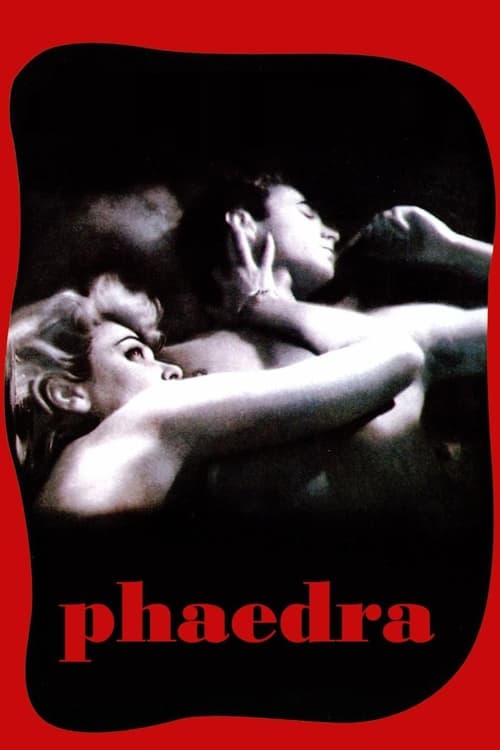
Phaedra
1962
No user ratings available yet
Representation score: 3.7 out of 10

Representation Score
Fair
1972
Director
Yvan Lagrange
Runtime
67 minutes
Average Rating
No ratings yetNew Showbiz Analysis
Tristan and Isolde (1972) challenges the dominance of rigid social structures by emphasizing personal choice. Though it doesn't offer modern diversity, the film uses a legendary framework to question the authority of the state and traditional morality. The narrative elevates the role of the female protagonist, moving beyond simple patriarchal narratives. However, it remains focused on a specific European mythological context, lacking in racial and disability representation. Ultimately, the film's strength lies in its subversive emotional storyline and its focus on a romance that opposes societal laws.
Category Breakdown
The film centers on a romantic relationship that challenges established social and legal norms. It emphasizes personal desire over the assumption that everyone is straight or cisgender.
Isolde plays a significant role in driving the story rather than being a passive character. The narrative highlights her ability to make her own decisions, which are more important than political rules.
The story focuses on the cultural traditions of specific regions within Europe, particularly Cornwall and Ireland. It stays true to a traditional historical setting without much diversity.
The film questions the idea of a single moral standard by presenting the protagonists' actions as part of a larger, personal truth. The experimental music also challenges typical Western storytelling methods.
There are no characters with visible or invisible disabilities in this film.
Present on Screen
Limited or Absent
Official Synopsis
This magnificently photographed French film tells the ancient legend of Tristan and Isolde to the accompaniment of an operatic musical score by MAGMA. Tristan is a young warrior who has been sent to Ireland from Cornwall to bring back Isolde, the bride of his king. The two of them drink a love potion, fall in love, and, despite the wrath of their people, persist in their tragic love.
1962

1959
1954
1974
1959
1968
2007
1999
No reviews yet. Be the first to share your thoughts on this movie!
Use the rating form above to leave a star rating and optional review.