
Love Letter
1981
No user ratings available yet
Diversity score: 4.2 out of 10
1982
Director
Yōichi Higashi
Runtime
84 minutes
Average Rating
No ratings yetSynopsis
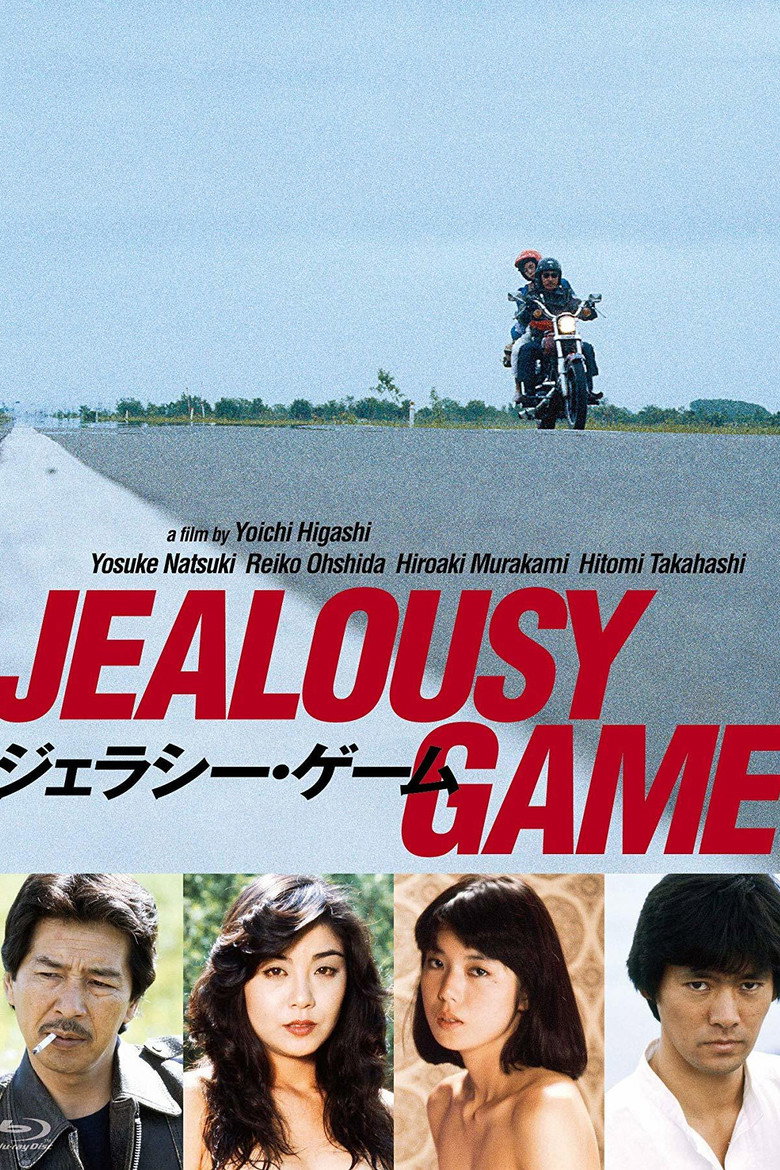
Set in the wilderness of Hokkaido, the story of a couple in their 30s and a couple in their 20s is drawn, and the subtle emotions of the two men and women are depicted with intense Eros and delicate images under the theme of marriage exchange.
Overall Score
Fair
Category Breakdown
LGBTQ+ Representation
The film focuses on the emotional dynamics between heterosexual couples. While it lacks explicit non-cisnormative identities, the theme of marriage exchange disrupts traditional heteronormative stability.
Gender Representation
The narrative challenges the sanctity of the nuclear family by centering on emotional volatility. It subverts patriarchal hierarchies by giving female desire equal weight to male impulse.
Racial & Ethnic Diversity
Set in the Hokkaido wilderness, the production appears ethnically homogeneous. It adheres to the demographic norms of early 1980s Japanese cinema with little intersectional blending.
Religious & Cultural Diversity
The story embraces moral relativism by prioritizing individual psychological truth over social duty. This deconstructs traditional family units in favor of a more subjective, postmodern approach.
Disability Representation
There is no evidence regarding the portrayal of physical or neurodivergent disabilities within the narrative.
Strengths
Areas for Improvement
AI Analysis
Jealousy Game is a psychological drama that finds its strength in deconstructing social facades rather than demographic breadth. By exploring the transgression of marital boundaries, the film moves away from rigid social roles to examine the complexity of human agency and desire. However, the film remains limited by its era and setting. The cast and environment are ethnically homogeneous, and the narrative lacks explicit LGBTQ+ representation, focusing instead on the disruption of traditional heterosexual structures. Ultimately, the film offers a moderate level of diversity through its thematic willingness to challenge institutional morality and the traditional nuclear family, even if it lacks intersectional variety.
1981

2011
1997

2017

2016
2013

1968

2022
1985
1972

2018
2017
No reviews yet. Be the first to share your thoughts on this movie!
Use the rating form above to leave a star rating and optional review.