
Troublemakers
1966
No user ratings available yet
Representation score: 6.2 out of 10
Representation Score
Good
1961
Director
Daniel Drasin
Runtime
17 minutes
Average Rating
No ratings yetNew Showbiz Analysis
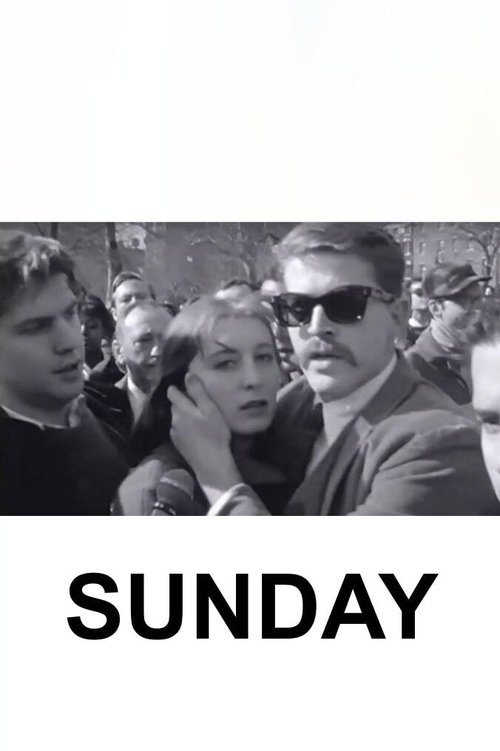
Sunday is a landmark documentary that disrupts the sanitized studio productions of the early 1960s. It captures authentic, unvarnished human interactions, serving as a precursor to progressive shifts in American filmmaking. The film's strength lies in its nuanced, character-driven exploration of identity. It moves away from the era's common 'villain or victim' clichés, particularly regarding queer protagonists, to offer a sophisticated look at sexual identity. However, the film is limited by its specific demographic focus. While it captures the spirit of the folk-protest movement, it lacks broad racial diversity and provides less depth for female characters compared to its male subjects.
Category Breakdown
The film centers on the lived experiences and psychological realism of gay and bisexual individuals, providing significant roles to queer protagonists instead of stereotypical caricatures.
The narrative shifts emotional and sexual ability to act towards male characters, challenging rigid expectations of masculinity. However, the depth of women's ability to drive the story remains secondary to male interpersonal dynamics.
The film focuses on the urban, bohemian social circles of Greenwich Village, capturing the spirit of the folk-protest movement but lacking broad racial diversity.
The work critiques traditional social mores and mid-century institutional norms, centering on a group prioritizing individual identity and sexual liberation over conventional social cohesion.
There is no significant evidence to suggest that disability or neurodivergence plays a central role in the narrative arc.
Present on Screen
Limited or Absent
Official Synopsis
Dan Drasin's documentary short, shot in a single afternoon in 1961, is often cited as the first major social protest film of the Sixties. When 19-year-old Drasin and his friends joined folk singers and protesters in Greenwich Village's Washington Square Park, they confronted NYC authorities to protest the cancellation of a standing permit to gather and sing in the park on Sundays. Here are the first signs of the political, racial and cultural issues that would soon erupt during the decade.
1966

1970
1968
1990
1960
1968
1965

1968
No reviews yet. Be the first to share your thoughts on this movie!
Use the rating form above to leave a star rating and optional review.