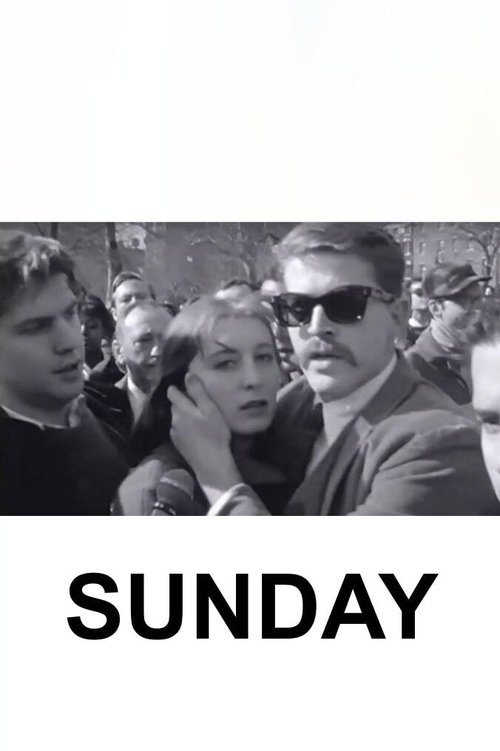
Sunday
1961
No user ratings available yet
Representation score: 6.6 out of 10
Representation Score
Good
1965
Director
Bob Dickson, Alan Gorg, Trevor Greenwood
Runtime
12 minutes
Average Rating
No ratings yetNew Showbiz Analysis
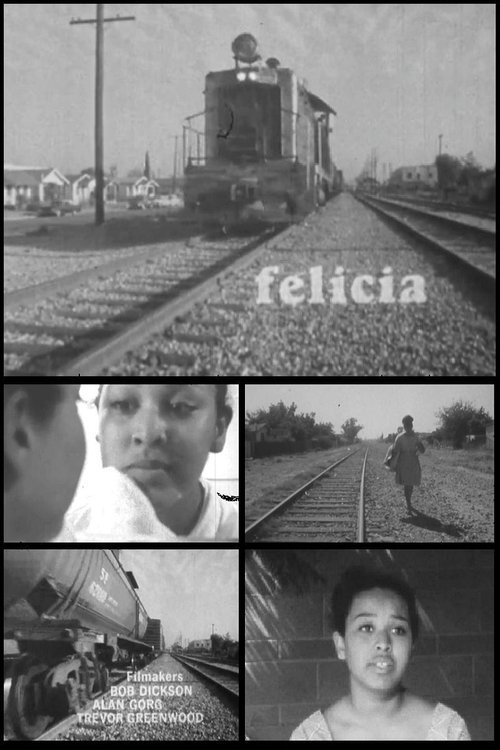
Felicia is a landmark piece of early storytelling that reflects multiple aspects of identity. It successfully disrupts the detached, objective journalistic styles of the 1960s by adopting a participatory method that prioritizes the subject's lived experience. The film's greatest strength is its refusal to use an 'outsider' lens. By giving Felicia Bragg full narrative control, the filmmakers allow a young woman of color to frame her own community and identity. While the film excels in racial and gendered ability to act, it remains limited by the era's focus, offering no specific engagement with LGBTQ+ identities or disability representation.
Category Breakdown
The film does not explicitly depict LGBTQ+ identities or dynamics. It focuses solely on the protagonist's family and school life.
Felicia Bragg serves as the primary narrator and intellectual driver, disrupting mid-century cinematic hierarchies by centering a young woman's perspective.
The film provides a actively leading look at a multi-ethnic community in Watts, centering a protagonist of African-American and Hispanic descent.
The documentary highlights the socioeconomic realities of the Watts neighborhood from the perspective of a underrepresented teenager.
There is no evidence regarding the portrayal of physical or neurodivergent disabilities within the film.
Present on Screen
Limited or Absent
Official Synopsis
This 13-minute short subject, marketed as an educational film, records a slice of life in the Watts neighborhood of Los Angeles prior to the rebellions of 1965. Filmmakers Trevor Greenwood, Robert Dickson and Alan Gorg were UCLA film students when they crafted a documentary from the perspective of the unassuming-yet-articulate teenager Felicia Bragg, a high-school student of African-American and Hispanic descent. Felicia’s first-person narrative reflects her hopes and frustrations as she annotates footage of her family, school and neighborhood, creating a time capsule that’s both historically and culturally significant. Its provenance as an educational film continues today as university courses use "Felicia" to teach documentary filmmaking techniques and cite it as an example of how non-traditional sources, as well as mainstream television news, reflect and influence public opinion.
1961
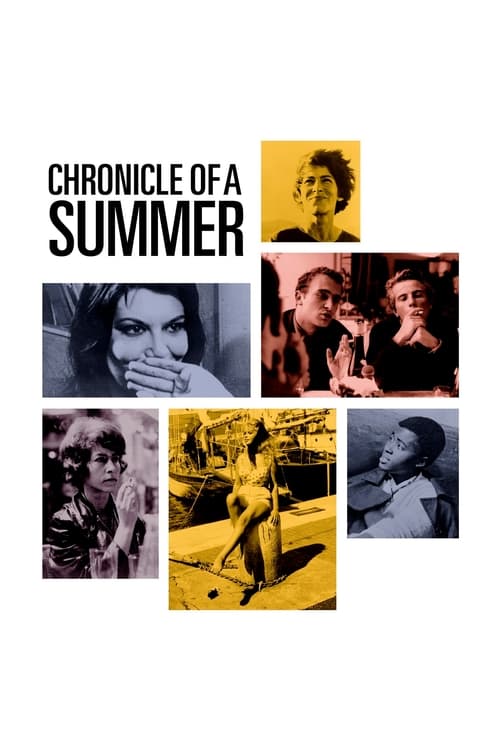
1961
1964
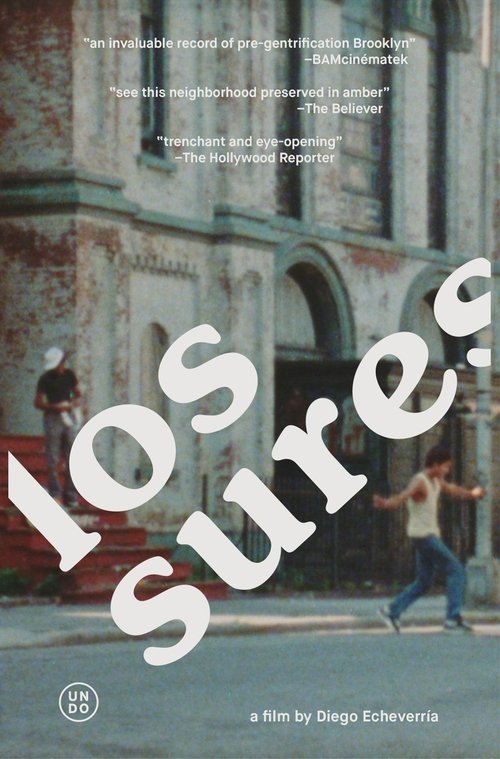
1984

1966
1969
2009
1970
No reviews yet. Be the first to share your thoughts on this movie!
Use the rating form above to leave a star rating and optional review.