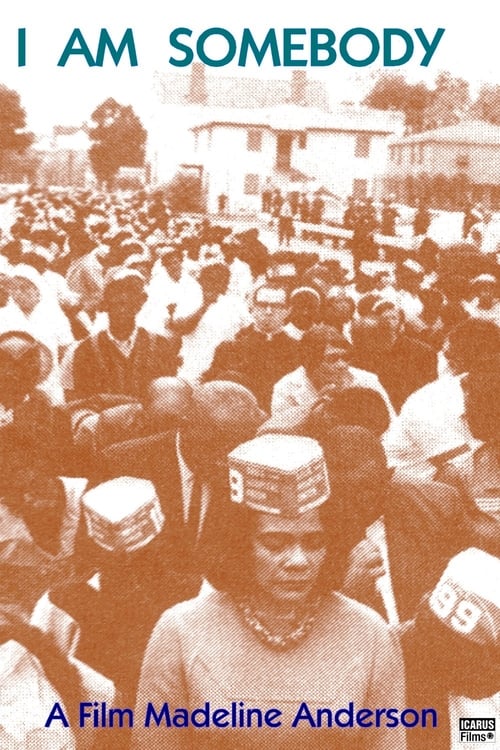
I Am Somebody
1970
No user ratings available yet
Representation score: 6.8 out of 10
Representation Score
Good
1960
Director
Madeline Anderson
Runtime
21 minutes
Average Rating
No ratings yetNew Showbiz Analysis
Madeline Anderson’s debut is a landmark achievement, marking her as the first known African American female documentary director. The film functions as a vital historical record, capturing the vast scope of the Civil Rights Movement from Montgomery sit-ins to Brooklyn protests. The documentary excels by centering Black ability to act and the lived experiences of those fighting systemic segregation. It moves beyond mere observation to provide a actively leading portrayal of people of color actively dismantling discriminatory social norms. While the film is a powerhouse of racial and gendered representation, it remains a period-specific document of the desegregation struggle. Consequently, it lacks explicit focus on queer identities or disability representation.
Category Breakdown
The film focuses primarily on the racial struggle for desegregation. There is no explicit mention of LGBTQ+ identities or non-cisgender gender expressions within the narrative.
The documentary disrupts traditional hierarchies by centering Black women as essential community organizers and leaders. It challenges clichés of male-dominated leadership by documenting the active role of female activists.
This work serves as an exceptional record of racial ability to act. It moves Black individuals from the periphery to the center, documenting their active role in dismantling oppressive social structures.
The film provides a profound critique of Western institutional power. It frames Jim Crow laws as oppressive systems and emphasizes the deconstruction of these norms through racial justice.
There is insufficient evidence to evaluate the depiction of physical or neurodivergent disabilities within the available material.
Present on Screen
Limited or Absent
Official Synopsis
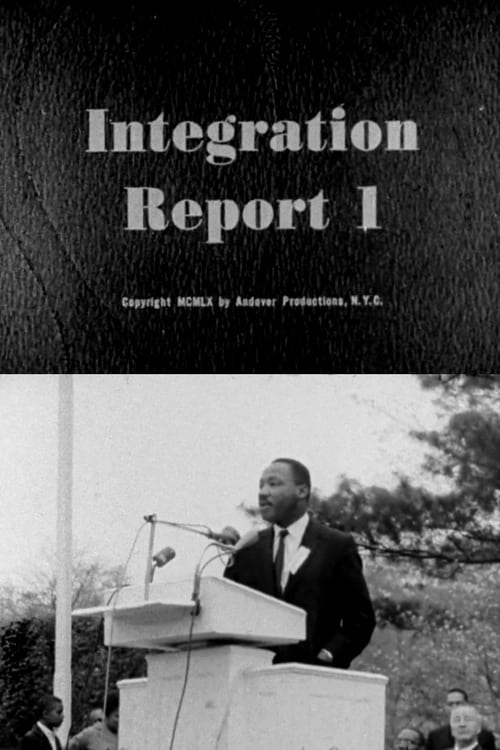
Integration Report 1, Madeline Anderson's trailblazing debut, was the first known documentary by an African American female director. With tenacity, empathy and skill, Anderson assembles a vital record of desegregation efforts around the country in 1959 and 1960, featuring footage by documentary legends Albert Maysles and Richard Leacock and early Black cameraman Robert Puello, singing by Maya Angelou, and narration by playwright Loften Mitchell. Anderson fleetly moves from sit-ins in Montgomery, Alabama to a speech by Martin Luther King Jr. in Washington, D.C. to a protest of the unprosecuted death in police custody of an unarmed Black man in Brooklyn, capturing the incredible reach and scope of the civil rights movement, and working with this diverse of footage, as she would later say, “like an artist with a palette using different colors.”
1970
2017
1970
1994
1964
2012
1964
1994
No reviews yet. Be the first to share your thoughts on this movie!
Use the rating form above to leave a star rating and optional review.