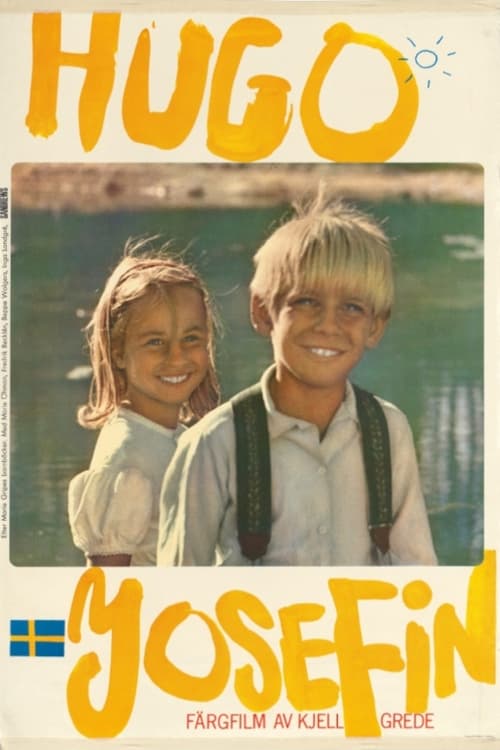
Hugo and Josephine
1967
No user ratings available yet
Diversity score: 2.9 out of 10
1956
NRDirector
Carol Reed
Runtime
96 minutes
Average Rating
No ratings yetSynopsis
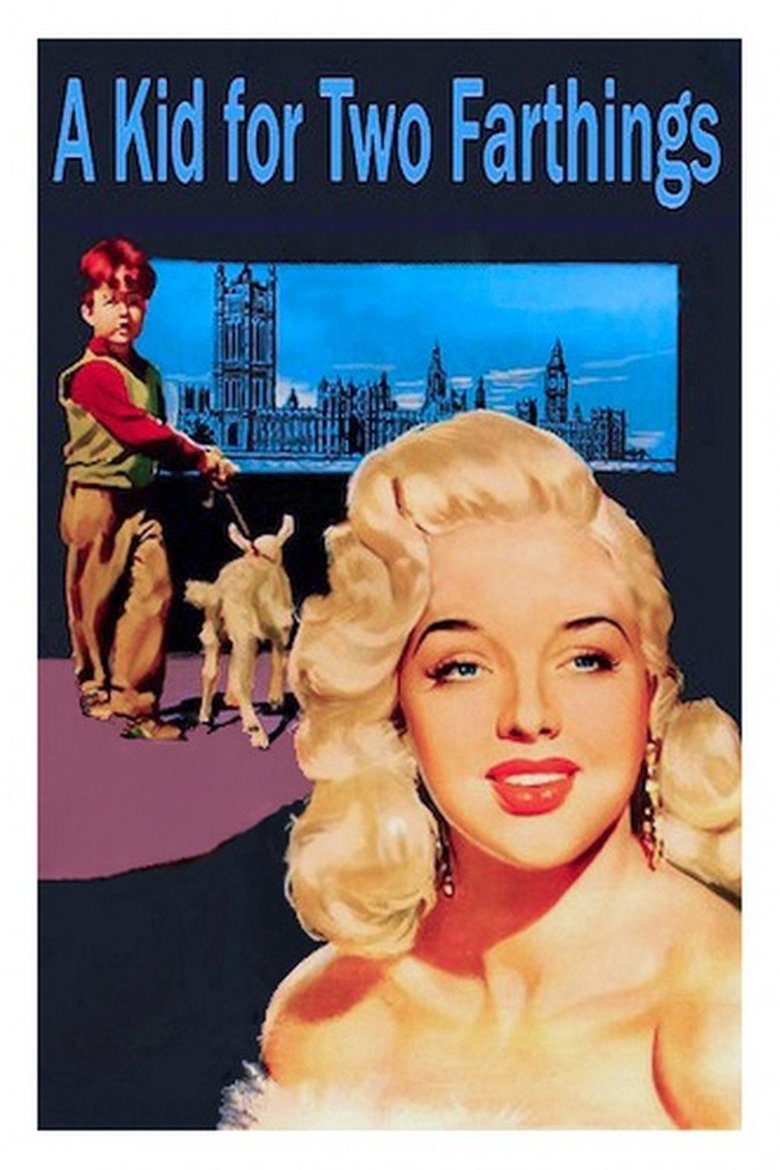
Joe is a young boy who lives with his mother, Joanna, in working-class London. The two reside above the tailor shop of Mr. Kandinsky, who likes to tell Joe stories. When Kandinsky informs Joe that a unicorn can grant wishes, the hopeful lad ends up buying a baby goat with one tiny horn, believing it to be a real unicorn. Undaunted by his rough surroundings, Joe sets about to prove that wishes can come true.
Overall Score
Minimal
Category Breakdown
LGBTQ+ Representation
The film adheres strictly to the heteronormative social structures of 1950s Britain. There is no discernible presence of non-cisnormative identities or same-sex intimacy.
Gender Representation
Female characters like Joanna exist but primarily function within conventional domestic or supportive roles. The film reflects traditional mid-20th-century gender hierarchies without subverting masculine leadership.
Racial & Ethnic Diversity
The narrative focus remains almost exclusively within a homogeneous Anglo-Saxon framework. There is a notable absence of characters of color or racial blending in this stylized London setting.
Religious & Cultural Diversity
The film uses satire to examine the British class system through an absurdist lens. It prioritizes social etiquette and class absurdity over the deconstruction of Western institutions.
Disability Representation
Characters appear to function within able-bodied norms. There are no prominent depictions of visible or invisible disabilities or neurodivergent perspectives.
Strengths
Areas for Improvement
AI Analysis
Carol Reed’s film is a period-specific satire that focuses on the eccentricities of the British class system. While it uses an absurdist tone to disrupt linear storytelling, it remains deeply rooted in the social constraints of its era. The work functions as a quintessential product of the 1950s, reinforcing traditional social structures even while mocking their absurdity. It lacks engagement with modern intersectional frameworks, focusing instead on socioeconomic nuances. Ultimately, the film bypasses identity politics, gender subversion, and racial diversity in favor of a localized critique of social strata.
No reviews yet. Be the first to share your thoughts on this movie!
Use the rating form above to leave a star rating and optional review.