
The White Sun of the Desert
1969
No user ratings available yet
Representation score: 5.4 out of 10
Representation Score
Limited
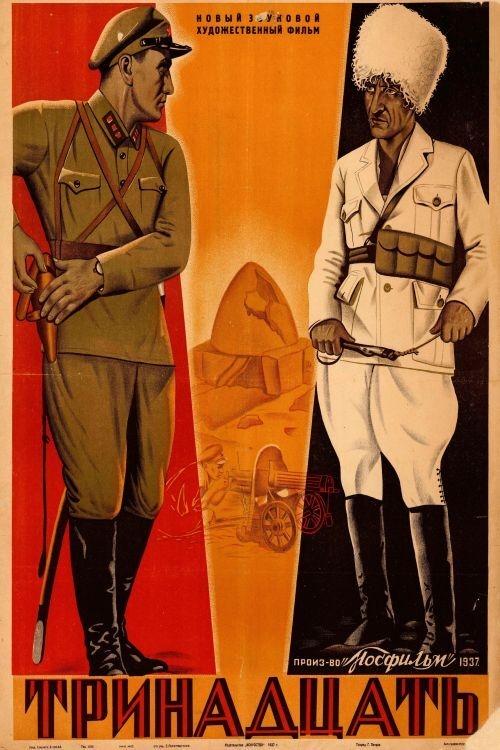
1937
Director
Mikhail Romm
Runtime
90 minutes
Average Rating
No ratings yetNew Showbiz Analysis
The film serves as a critical examination of traditional power structures, emphasizing the dismantling of class-based and institutional hierarchies. This ideological focus contributes to its strong cultural representation score. While the narrative effectively challenges established social and economic norms, it does not address contemporary categories such as LGBTQ+ identities or disabilities. The focus remains on the political and military aspects of the revolutionary collective.
Category Breakdown
The film does not include any LGBTQ+ characters or non-straight relationships. It follows the social norms of the 1937 Soviet Union.
Women are shown as active participants in the revolution rather than passive figures. Their roles are part of the larger party structure.
The film introduces ethnic diversity through a Middle Asian setting, but focuses mainly on the Red Army leaders. Representation supports the plot’s theme of resource control.
The story criticizes capitalism, monarchy, and religion as oppressive forces. It promotes a new collective order that replaces these hierarchies.
The film does not highlight any visible or invisible disabilities. Characters are defined by their military roles and political importance.
Present on Screen
Limited or Absent
Official Synopsis
The film tells about a band of demobilized Red Army men and two civilians who cross a Middle Asian desert. They are forced to do battle with superior forces of Basmachi rebels for the dry draw-well.
1969
1943
1973

1977
1969
1958
1967
1951
No reviews yet. Be the first to share your thoughts on this movie!
Use the rating form above to leave a star rating and optional review.