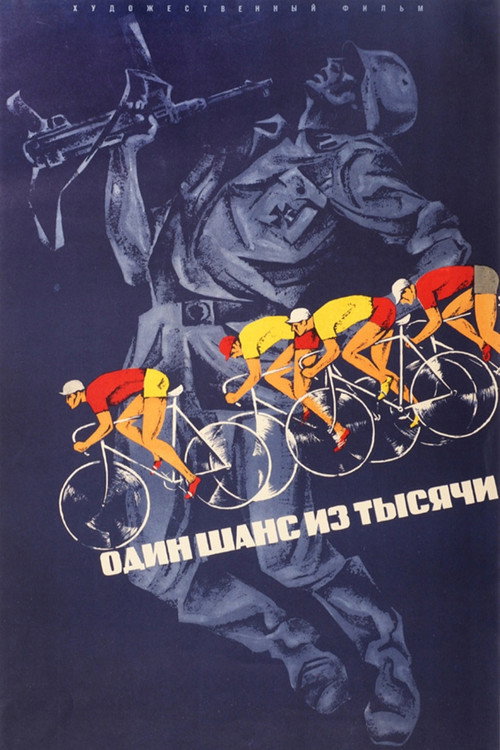
One Chance in One Thousand
1969
No user ratings available yet
Representation score: 4.5 out of 10
Representation Score
Fair
1967
Not RatedDirector
Yevgeni Tashkov
Runtime
216 minutes
Average Rating
No ratings yetNew Showbiz Analysis
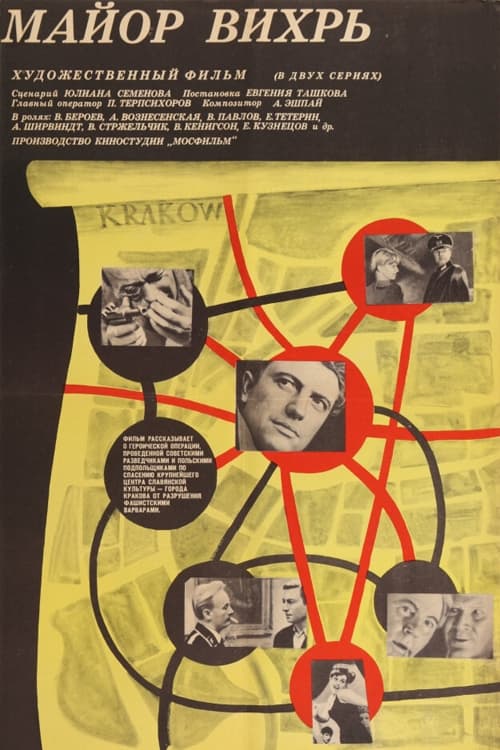
Major 'Whirlwind' is a wartime espionage drama that focuses on themes of international solidarity. By highlighting the cooperation between Soviet forces and the Polish underground, the film moves beyond mono-ethnic heroism to emphasize a collective struggle against systemic oppression. While the film reflects the social constraints of its 1967 production era—particularly regarding the absence of LGBTQ+ representation—it offers progressive value through its portrayal of ability to act. The narrative centers on the resistance of underrepresented groups against an oppressive power structure. Ultimately, the film succeeds as an anti-fascist critique. It prioritizes the protection of cultural capitals like Kraków and Prague, framing the fight against the SS as a defense of local identity and human ability to act.
Category Breakdown
The film does not include any LGBTQ+ characters or non-straight relationships. It follows the traditional social structures typical of 1967 Soviet war cinema.
Anya, a radio operator, plays a significant role in the story as a critical intelligence link. Her technical and subversive role challenges the conventional depiction of women in domestic roles during that time.
The story highlights international solidarity through a coalition of Soviet and Polish underground forces. This emphasizes a shared Slavic resistance against a common oppressor.
The film critiques authoritarianism by portraying the Nazi regime as an agent of cultural destruction. It positions the preservation of local identities as a moral imperative.
There are no visible or mentioned depictions of physical or neurodivergent disabilities within the narrative.
Present on Screen
Limited or Absent
Official Synopsis
The Nazis planted explosives to blow up the cities of Krakow and Prague, but the underground resistance in Poland works with the Russians to stop the disaster.
1969
1965
1986
1961
1982
1966
1965
1966
No reviews yet. Be the first to share your thoughts on this movie!
Use the rating form above to leave a star rating and optional review.