
The White Sun of the Desert
1969
No user ratings available yet
Representation score: 5.4 out of 10
Representation Score
Limited
1973
Director
Ali Khamraev
Runtime
79 minutes
Average Rating
No ratings yetNew Showbiz Analysis
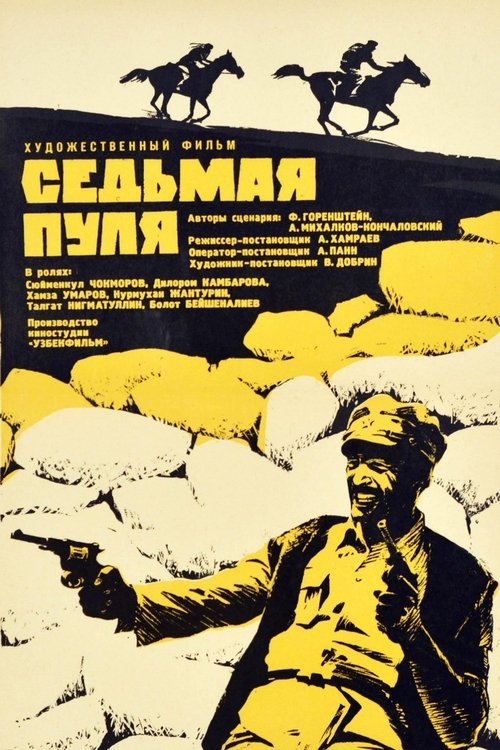
The Seventh Bullet is a regional historical drama that offers a non-Western perspective on conflict. By focusing on Central Asian identities and the clash between the military and local rebels, it effectively counters the dominance of Western-centric war stories. However, the film's impact is constrained by its emphasis on traditional gender hierarchies. The narrative centers on masculine leadership and combat, limiting opportunities for diverse gender expressions and women's ability to drive the story. While the film provides a valuable localized narrative, its lack of LGBTQ+ and disability representation affects its overall diversity score.
Category Breakdown
The film does not include any representation of non-binary or LGBTQ+ identities. It focuses on traditional masculine roles typical of 1970s war films.
The story revolves around a power struggle dominated by male figures in military leadership. Women play a supporting role, with their influence secondary to the main male-driven conflicts and combat.
The film features a predominantly non-Western cast set in Central Asia, challenging Western-centric war narratives through regional ethnic identities.
The story delves into the tension between Soviet authority and local rebel movements. It presents a nuanced view of regional upheaval and struggles.
There is no depiction of physical or cognitive disabilities in the film.
Present on Screen
Limited or Absent
Official Synopsis
Despite the restoration of Soviet power in the area, Basmachis continue to arrive from across the border, bringing death and destruction to peaceful villages. One of the bands of rebels is led by Khairulla who is pitted against the militsiya (local militia) leader Maxumov. At first it seems hopeless for Maxumov as the rebels capture most of his men, winning them over to his side. He has only one strategy left; to give himself up, and try to explain to the people that Khairulla has deceived them, turning the soldiers back to revolution. Later in pursuit of his enemy, he chases Khairulla across a river. He has only one bullet left -- the seventh, and he must not miss his target!
1969
1968
1979
1988
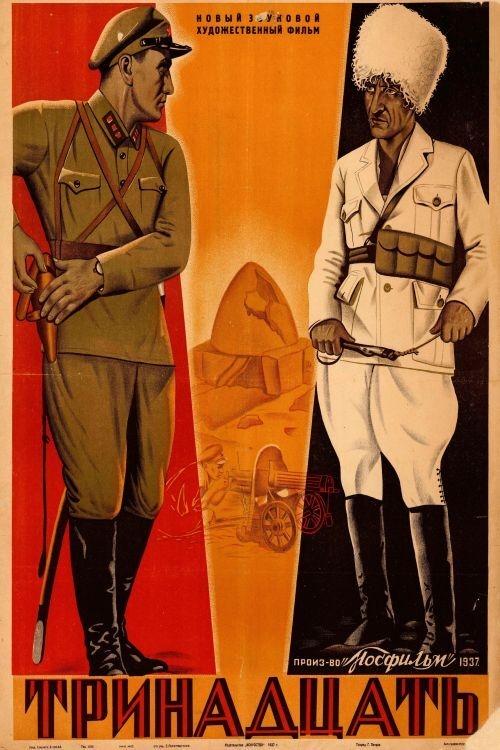
1937
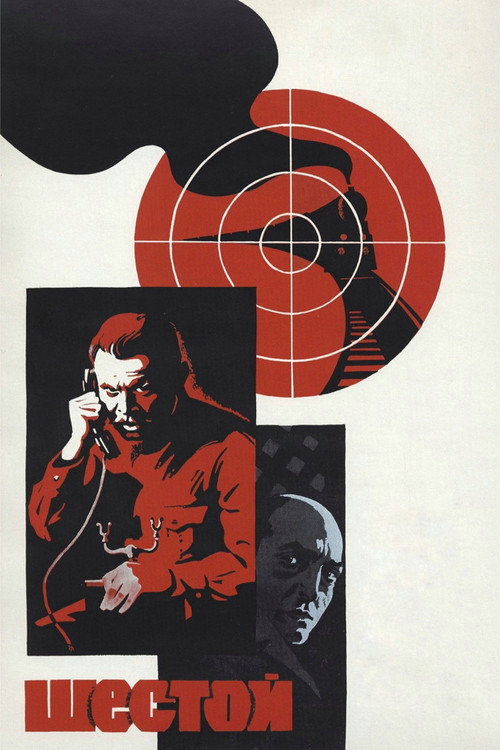
1982
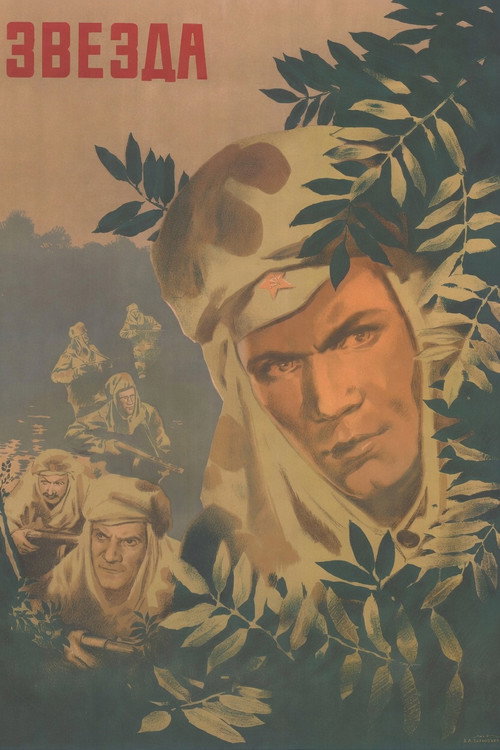
1949
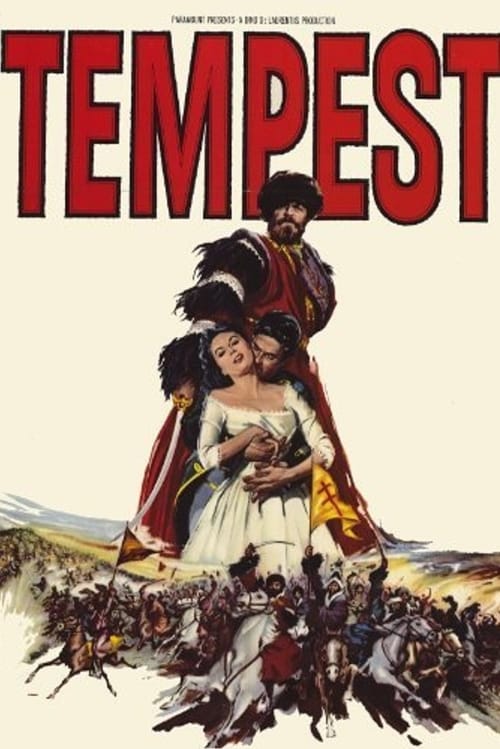
1958
No reviews yet. Be the first to share your thoughts on this movie!
Use the rating form above to leave a star rating and optional review.