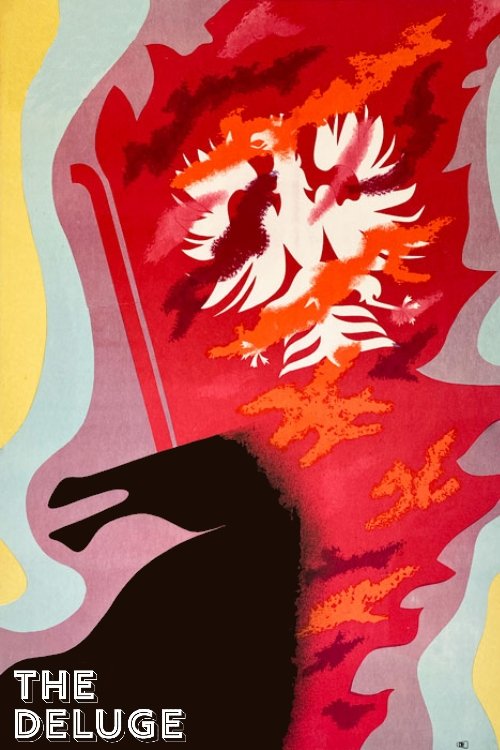
The Deluge
1974
No user ratings available yet
Representation score: 1.2 out of 10
Representation Score
Limited
1969
Director
Jerzy Hoffman
Runtime
148 minutes
Average Rating
No ratings yetNew Showbiz Analysis
Jerzy Hoffman’s epic is a period-accurate study of 17th-century power dynamics. It excels at portraying the ethnic complexity of the Eastern European frontier, moving beyond simple hero-versus-villain clichés to show a multi-ethnic landscape in conflict. However, the film remains deeply traditional, reinforcing historical hierarchies and offering very little ability to act to women or representation for LGBTQ+ identities and individuals with disabilities. The narrative is driven by military utility and nationalistic duty. Ultimately, the film functions as a historical reconstruction rather than a modern social critique, capturing the friction of the era but not engaging with contemporary frameworks of identity or inclusion.
Category Breakdown
The film adheres strictly to 17th-century social norms and does not depict any non-binary gender identities or same-sex relationships. It focuses solely on heterosexual marriage and lineage.
Narrative ability to act is concentrated almost exclusively in male military and political figures. Women are portrayed in roles defined by domesticity or as catalysts for male motivation, rather than as independent drivers of the plot.
The film depicts a multi-ethnic landscape involving Polish nobility, Cossacks, and Ottoman forces. It showcases complex ethnic tensions on the frontier, avoiding a monolithic view of the enemy.
The story explores the friction between Catholicism and Orthodoxy during the Khmelnytsky Uprising. It portrays the breakdown of social orders through the lens of historical conflict and national honor.
There is no significant focus on neurodivergence or physical disability. Characters are primarily defined by their physical prowess and military utility within the war genre.
Present on Screen
Limited or Absent
Official Synopsis
In 1668 Polish colonel Michał Wołodyjowski, who recently retired to a monastery, is recalled to active duty and takes charge of Poland's eastern frontier defenses against invading Tatar hordes and Ottoman armies.
1974
1999

1963
1966
2012
1979
1968
1944
No reviews yet. Be the first to share your thoughts on this movie!
Use the rating form above to leave a star rating and optional review.