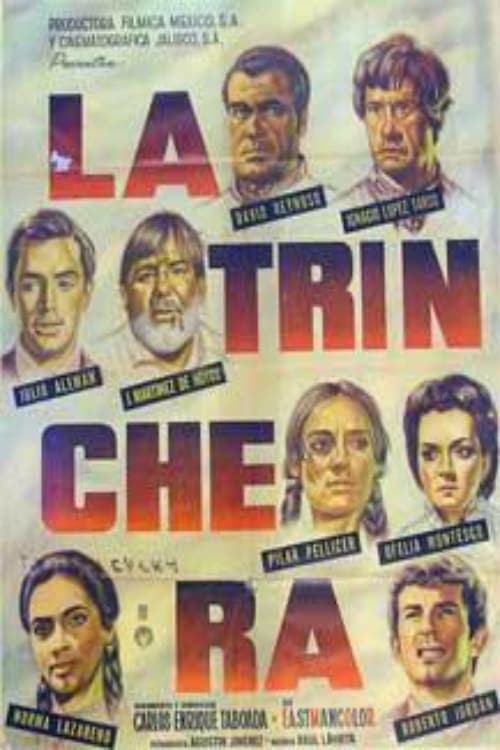
La trinchera
1969
No user ratings available yet
Representation score: 3.7 out of 10
Representation Score
Fair
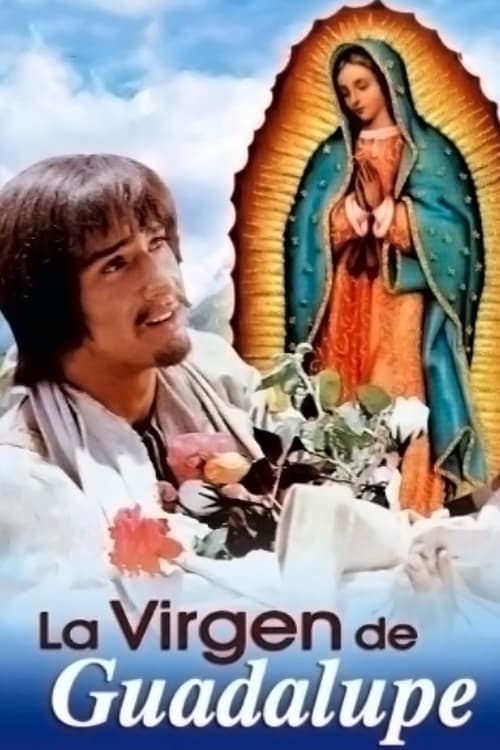
1976
Director
Alfredo Salazar
Runtime
105 minutes
Average Rating
No ratings yetNew Showbiz Analysis
Our Lady of Guadalupe (1976) operates primarily within the conventions of historical romance set in a specific cultural context. The film adheres to the genre standards of the time, emphasizing cultural identity over a complex exploration of diversity. The narrative follows traditional romantic and historical formulas without actively subverting social norms. Overall, the film offers a culturally specific perspective but does not provide evidence of diverse representation across gender, sexuality, or disability.
Category Breakdown
The film does not include visible representation of LGBTQ+ identities or stories that question the assumption that everyone is straight or cisgender.
Female actors like Angélica Chain are present, but the film's romantic storyline may rely on traditional gender roles without challenging social hierarchies.
The film focuses on Mexican identity and regional heritage, avoiding a purely Western or Anglo-Saxon perspective.
The film explores religious themes, but it is unclear if it challenges or critiques religious institutions.
There is no mention of characters with visible or invisible disabilities.
Present on Screen
Limited or Absent
1969

2005
1981
1959
1948
2012
1969
1970
No reviews yet. Be the first to share your thoughts on this movie!
Use the rating form above to leave a star rating and optional review.