Emiliano Zapata
1970
No user ratings available yet
Representation score: 3.3 out of 10
Representation Score
Limited
1969
Director
Carlos Enrique Taboada
Runtime
84 minutes
Average Rating
No ratings yetNew Showbiz Analysis
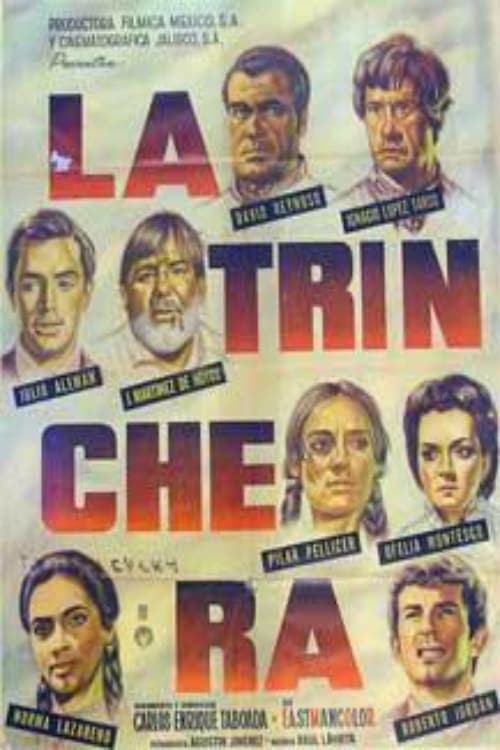
La trinchera is a 1969 war drama that adheres to the genre conventions of its time. The film centers on traditional conflict and character struggles rather than social subversion. The production highlights prominent Mexican talent, offering a Latin American perspective. However, the narrative structure lacks the layered depth or disruption of social hierarchies found in more progressive works. Ultimately, the film serves as a period-typical genre piece. It prioritizes atmospheric tension and duty over complex identity-driven ability to act or modern social critique.
Category Breakdown
The film does not include any LGBTQ+ identities or stories. This omission is typical of war films from the late 1960s.
Female performers like Pilar Pellicer are part of the cast, but the war genre often focuses on male combatants. The film likely emphasizes traditional gender roles.
As a Mexican production, the film showcases a non-Anglo-Saxon cast featuring actors like Ignacio López Tarso. It highlights Latin American perspectives.
The film follows the traditional dramatic structures of the late 1960s. It is unclear if the story includes any specific secularist or anti-Western critiques.
There is no information available regarding the depiction of physical or neurodivergent disabilities in this work.
Present on Screen
Limited or Absent
1970
1949
1979
1963
1976

2013
1981
1958
No reviews yet. Be the first to share your thoughts on this movie!
Use the rating form above to leave a star rating and optional review.