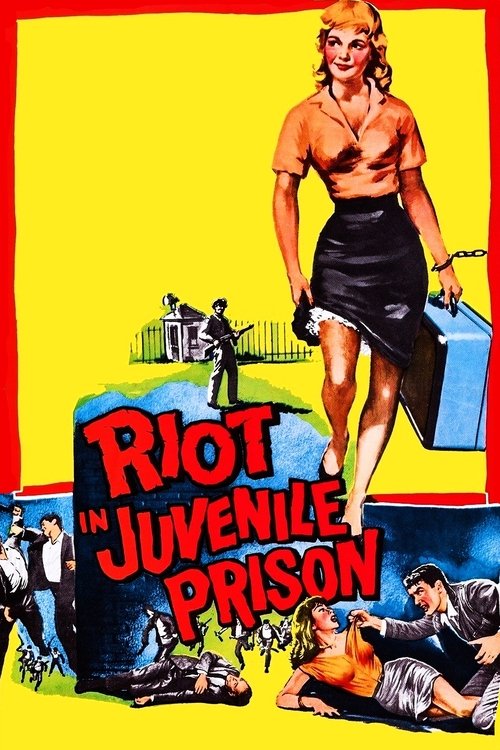
Riot in Juvenile Prison
1959
No user ratings available yet
Representation score: 1.0 out of 10
Representation Score
Limited
1956
NRDirector
Don Siegel
Runtime
91 minutes
Average Rating
No ratings yetNew Showbiz Analysis
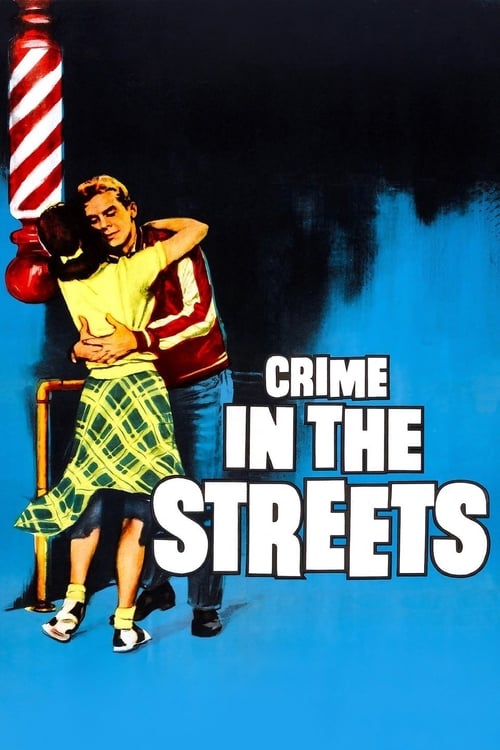
Crime in the Streets is shaped by its historical context, relying heavily on traditional gender and racial hierarchies. The narrative centers around male aggression, leaving women in supporting, reactive roles. The cast lacks racial diversity, providing a narrow, Anglo-centric view of urban life. However, the film avoids simplistic moral stories by examining the systemic failures of mid-century institutions. By looking at how schools and families fail to provide guidance, it offers a nuanced view of social issues rather than just punishment. Ultimately, while the film offers a sophisticated critique of social structures, it falls short in representing diverse identities across various categories.
Category Breakdown
The film does not include any LGBTQ+ characters or representations of non-straight identities. The story stays within the confines of traditional heterosexual relationships.
The film emphasizes traditional gender roles, where men are portrayed through aggressive and competitive behaviors, while women mostly react to the actions of men and serve as romantic interests.
The cast is mainly white, reflecting the casting practices of the 1950s. There is a lack of significant non-white representation, showing a predominantly Anglo-centric view of the time.
The film criticizes traditional Western institutions such as schools and police by highlighting their inability to address social issues effectively. It suggests that these institutions are part of the problem rather than the solution.
There is no significant portrayal of physical or neurodivergent disabilities. Psychological factors are presented as traits of delinquency rather than explored as part of neurodiversity or disability experiences.
Present on Screen
Limited or Absent
Official Synopsis
A social worker tries to end juvenile crime by getting involved with a street gang.
1959
1949
1955
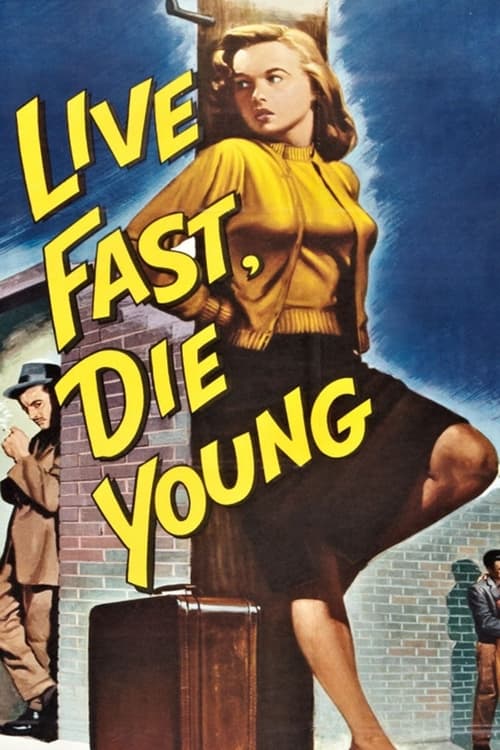
1958
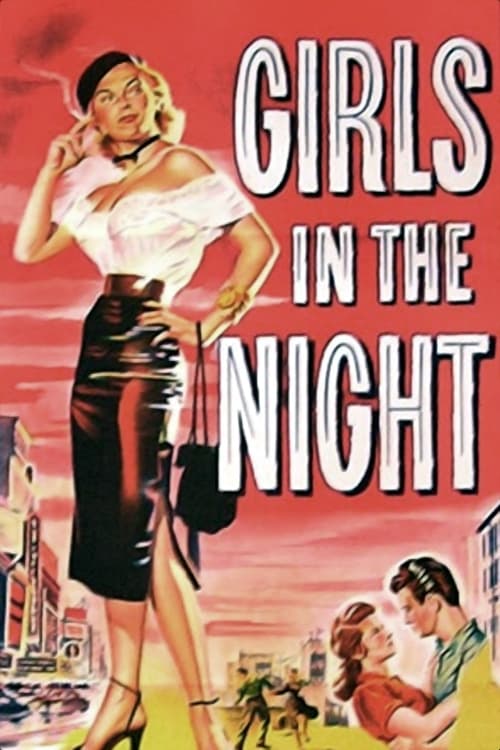
1953
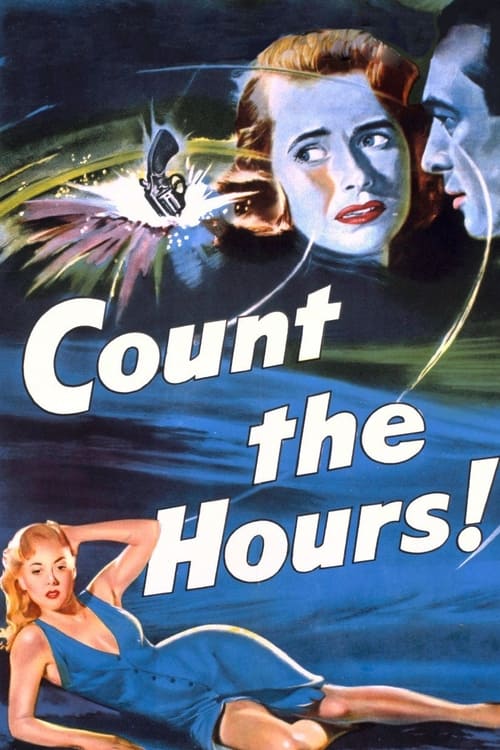
1953
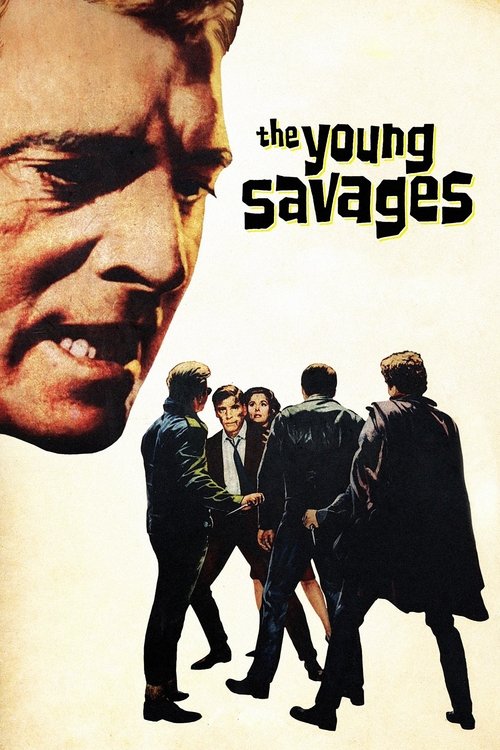
1961
1957
No reviews yet. Be the first to share your thoughts on this movie!
Use the rating form above to leave a star rating and optional review.