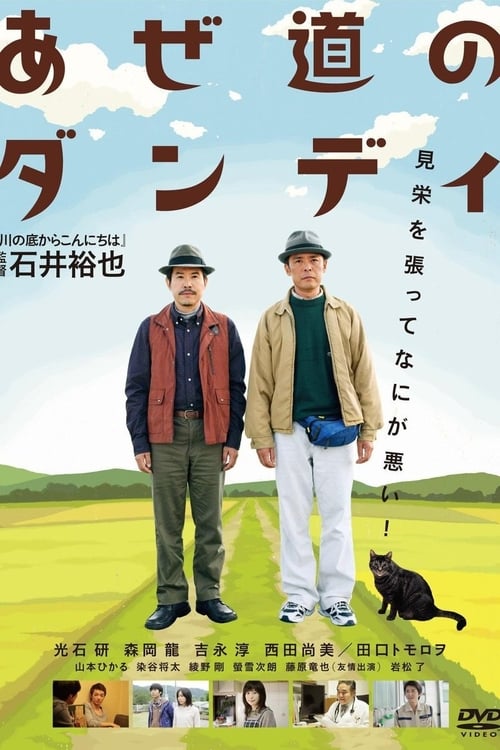
A Man with Style
2011
No user ratings available yet
Representation score: 7.0 out of 10
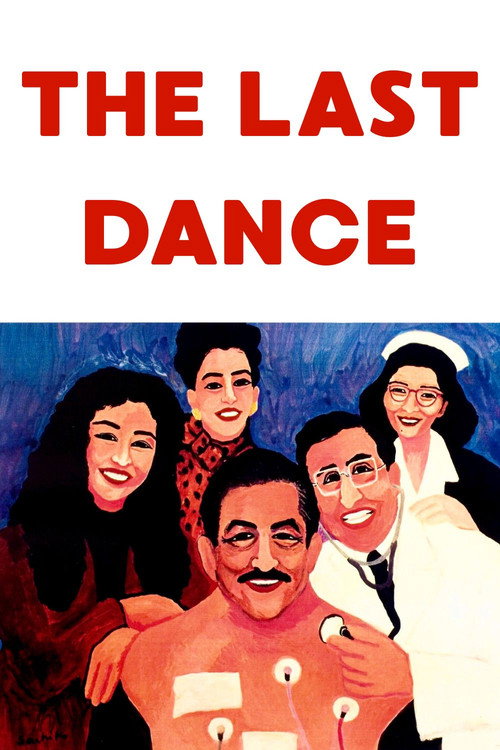
Representation Score
Fair
1993
Director
Jūzō Itami
Runtime
116 minutes
Average Rating
No ratings yetNew Showbiz Analysis
Jūzō Itami’s film is a concentrated study of institutional rigidity, specifically through the lens of the sumo world. While the film lacks demographic breadth in terms of LGBTQ+ and racial diversity, it excels in its sophisticated deconstruction of tradition. The work avoids glorifying archaic hierarchies, instead exposing the physical and psychological tolls required to maintain them. It uses the protagonist's personal struggle to critique how rigid social contracts can lead to individual erasure. Ultimately, the film's strength lies in its cultural analysis rather than its demographic variety, offering a profound interrogation of how traditionalist structures exert pressure on the individual.
Category Breakdown
The film is set in a strictly male-dominated and straight-centered environment. It lacks visible LGBTQ+ identities or queer narratives, focusing instead on traditional social structures.
The narrative focuses almost exclusively on male-to-male power dynamics within a landscape of extreme masculinity. It does not actively work to challenge traditional gender hierarchies.
The cast is ethnically homogeneous, reflecting the specific cultural context of the sumo industry. The film functions as a localized study of Japanese tradition rather than a multi-ethnic narrative.
The film critiques traditionalist structures by portraying the hierarchical sumo world as inherently oppressive. It frames strict adherence to tradition as a source of systemic suffering and individual sacrifice.
The story provides a nuanced look at physical degradation and the toll of professional athletics. The protagonist's struggle with his physical state is treated with significant gravity and control over his situation.
Present on Screen
Limited or Absent
Official Synopsis
A successful Japanese movie director in his sixties becomes increasingly ill while working on his latest film. Though his family, friends, and doctor try to keep the secret of his terminal cancer from him, Buhei gradually comes to realize the truth of his condition, leading him on a journey of despair, anger, and – ultimately – acceptance.
2011
1993

2018
2005

2023

2001

2015
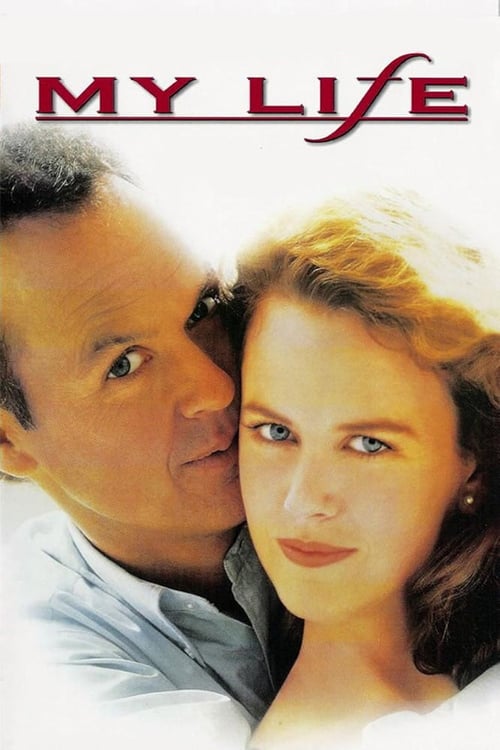
1993
No reviews yet. Be the first to share your thoughts on this movie!
Use the rating form above to leave a star rating and optional review.