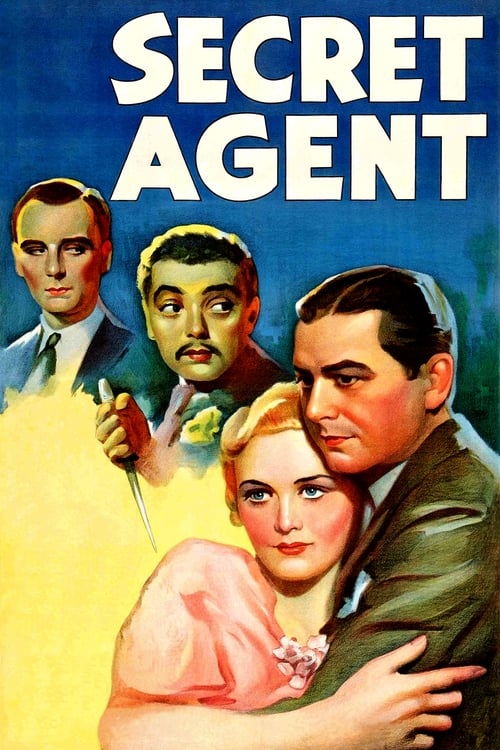
Secret Agent
1936
No user ratings available yet
Representation score: 0.5 out of 10
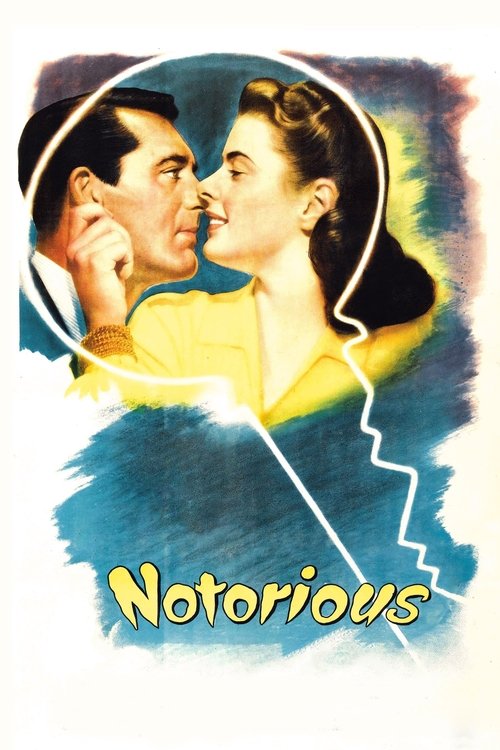
Representation Score
Fair
1946
ApprovedDirector
Alfred Hitchcock
Runtime
103 minutes
Average Rating
No ratings yetNew Showbiz Analysis
Hitchcock’s thriller succeeds by challenging mid-century expectations of domestic security and moral clarity. The film explores a complex landscape of situational ethics and institutional corruption. Its strength lies in its refusal to present a clear-cut battle between good and evil. Ultimately, the film challenges the viewer's perception of authority and traditional social order through its depiction of betrayal and the systemic costs of intelligence work.
Category Breakdown
The film focuses solely on heterosexual romantic tensions and does not include any queer subtext or non-cisgender identities.
Alicia Huberman challenges traditional gender roles by demonstrating strong intellect and psychological resilience. She outmaneuvers the male-dominated intelligence community in high-stakes espionage scenarios.
The cast is predominantly white, even though the film is set in an international context like Lisbon. Different nationalities are used to create a realistic, multi-national post-war environment.
The narrative criticizes the corruption within aristocratic and fascist-aligned social structures. It portrays state authority as a tactical entity rather than a purely benevolent force.
Alicia’s struggle with alcoholism adds depth to her character. However, this portrayal mainly serves as a narrative device to highlight her initial vulnerability.
Present on Screen
Limited or Absent
Official Synopsis
In order to help bring Nazis to justice, U.S. government agent T.R. Devlin recruits Alicia Huberman, the American daughter of a convicted German war criminal, as a spy. As they begin to fall for one another, Alicia is instructed to win the affections of Alexander Sebastian, a Nazi hiding out in Brazil. When Sebastian becomes serious about his relationship with Alicia, the stakes get higher, and Devlin must watch her slip further undercover.
1936
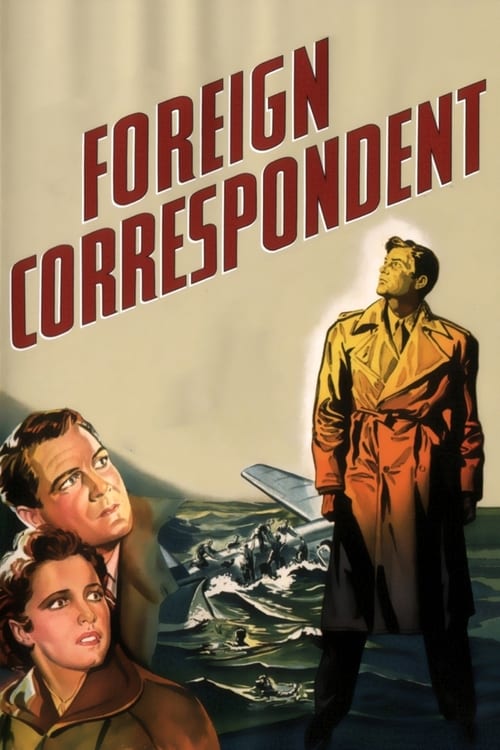
1940
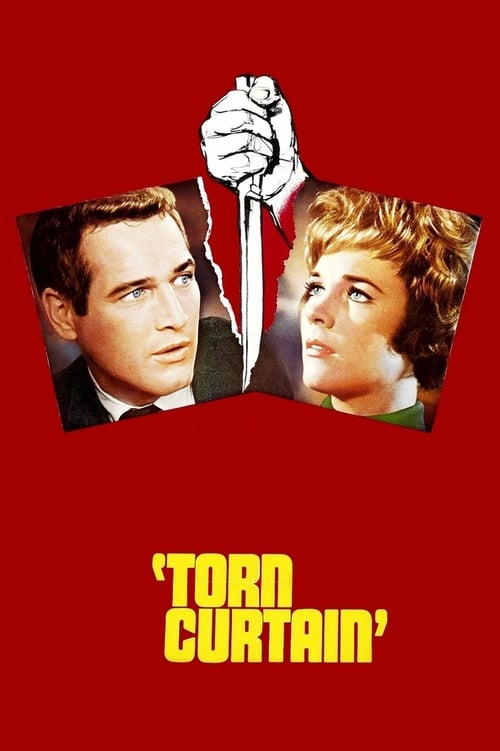
1966

1953

1935

1952
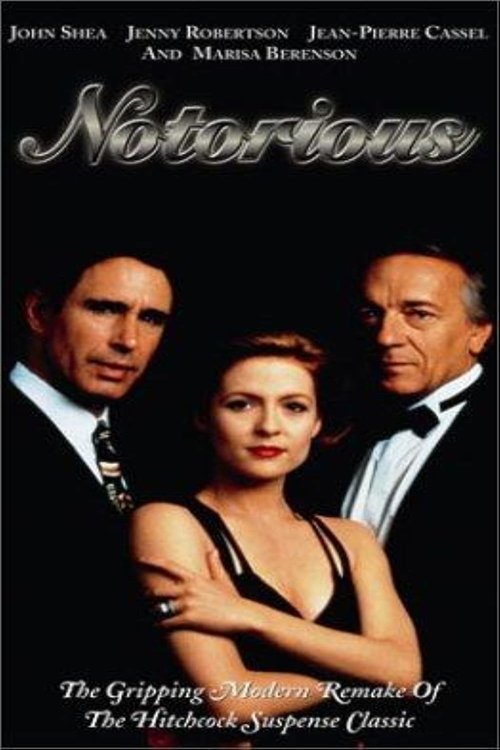
1992
1992
No reviews yet. Be the first to share your thoughts on this movie!
Use the rating form above to leave a star rating and optional review.