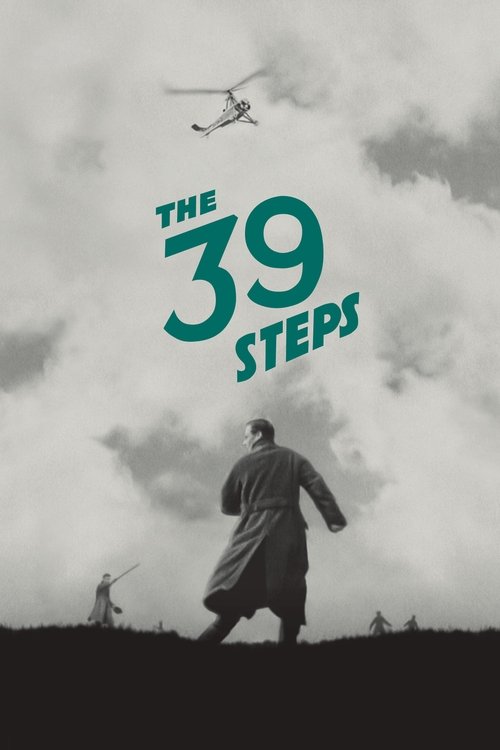
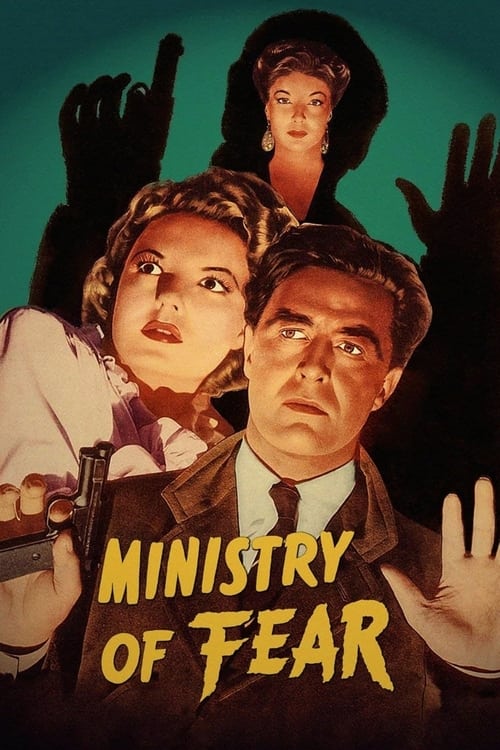
The 39 Steps
1935
No user ratings available yet
Representation score: 0.8 out of 10
Representation Score
Limited
1944
ApprovedDirector
Fritz Lang
Runtime
86 minutes
Average Rating
No ratings yetNew Showbiz Analysis
Fritz Lang’s noir masterpiece is a sophisticated exploration of systemic distrust and individual survival. It succeeds by challenging the myth of an orderly society, presenting a world of paranoia and moral ambiguity. While the film offers a complex narrative that questions the reliability of institutions, it lacks diverse representation in identity politics. The focus remains on the psychological impact of instability rather than diverse lived experiences. Ultimately, the film's strength lies in its critique of institutional stability, even as it relies on mid-century stereotypes regarding gender and mental health.
Category Breakdown
The film follows the conventions of the 1940s, with no indication of non-straight or non-cisgender identities. It focuses on traditional heterosexual relationships typical of the noir genre.
Female characters play important roles, but their influence is often tied to male characters. The film uses the femme fatale stereotype, reinforcing traditional gender roles.
The depiction of refugees in Lisbon adds ethnic diversity, reflecting wartime internationalism. However, non-white characters lack specific ability to act, serving as generalized symbols of fear and suspicion.
The film effectively portrays moral ambiguity and questions the reliability of institutions. The Lisbon setting highlights a place where traditional social norms and state protections are questioned.
The protagonist's history with an asylum drives the plot, creating psychological tension. However, the film leans on the 'unstable mind' stereotype rather than exploring neurodivergent experiences in depth.
Present on Screen
Limited or Absent
Official Synopsis
Stephen Neale is released into WWII England after two years in an asylum, but it doesn't seem so sane outside either. On his way back to London to rejoin civilization, he stumbles across a murderous spy ring and doesn't quite know to whom to turn.
1935
1942
1949
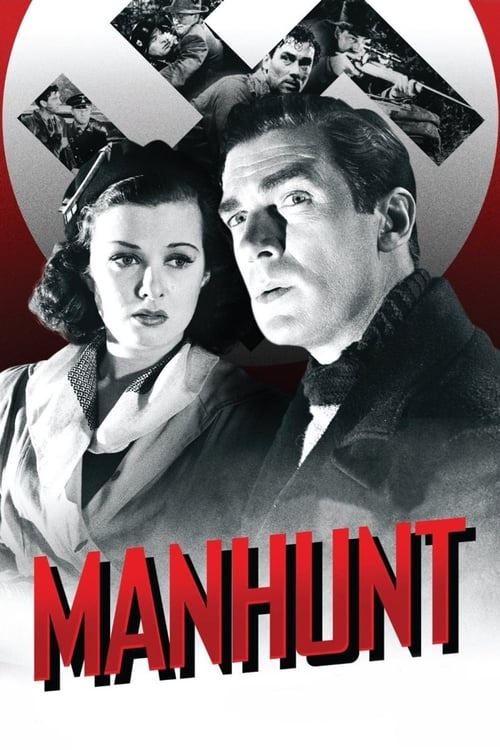
1941
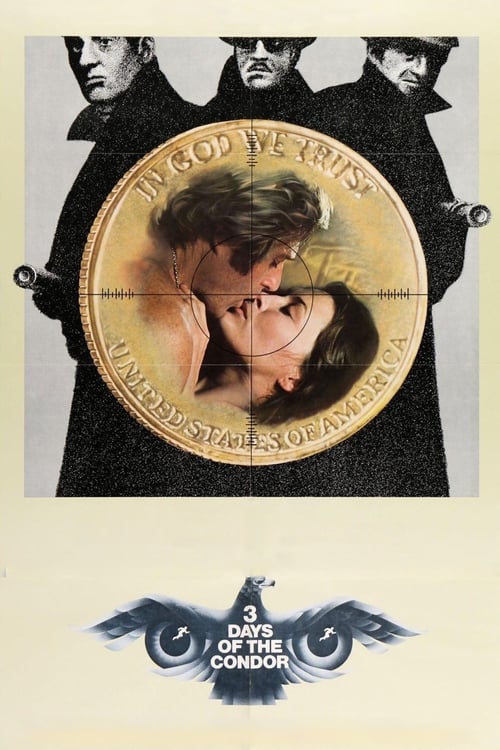
1975
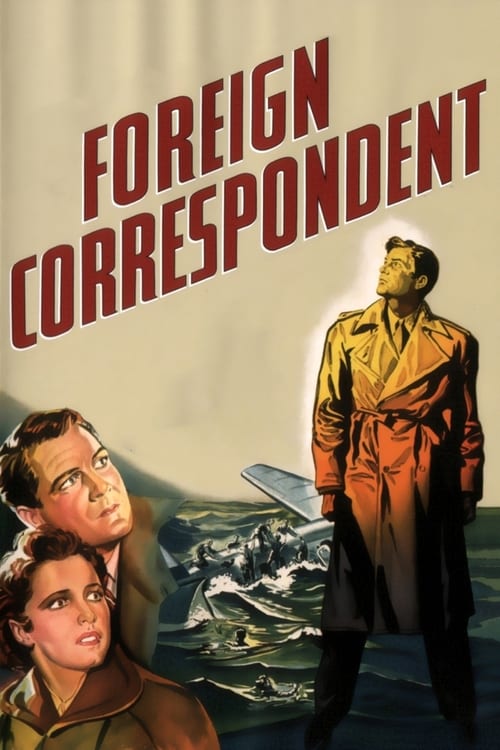
1940
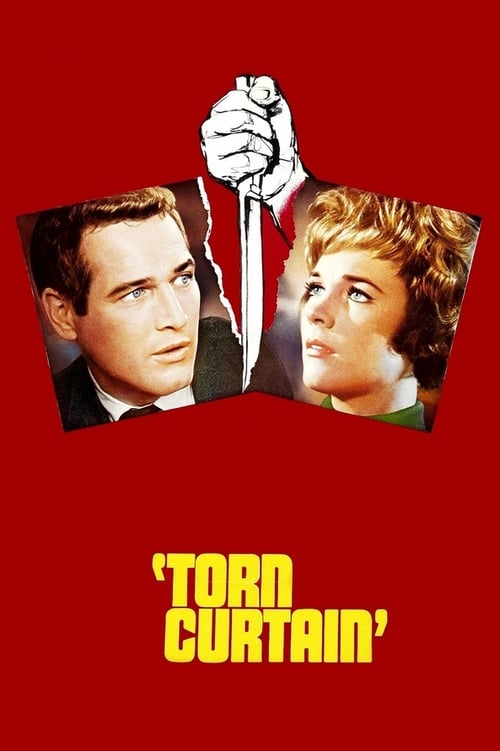
1966
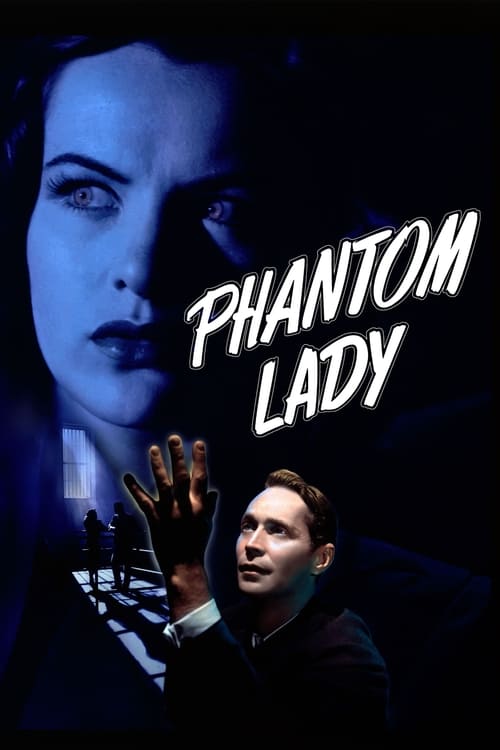
1944
No reviews yet. Be the first to share your thoughts on this movie!
Use the rating form above to leave a star rating and optional review.