Notorious
1946
No user ratings available yet
Representation score: 5.3 out of 10
Representation Score
Minimal
1936
ApprovedDirector
Alfred Hitchcock
Runtime
86 minutes
Average Rating
No ratings yetNew Showbiz Analysis
Alfred Hitchcock's thriller reflects the social norms of the 1930s, emphasizing suspense and genre conventions over challenging societal hierarchies. The narrative focuses on technical skill and tension, maintaining the status quo of the time. The film lacks diverse representation, presenting a homogeneous Western world that upholds traditional roles and institutional interests without offering progressive critiques or varied perspectives. Ultimately, the work exemplifies a classic period-specific espionage story, where character dynamics are driven by duty and romance within established social norms.
Category Breakdown
The film follows traditional heterosexual norms with no representation of LGBTQ+ identities or same-sex relationships.
The movie upholds traditional gender roles from the 1930s, where the female lead's importance is tied to her relationship with the male protagonist.
The cast is predominantly white and European, reinforcing a homogeneous Western perspective without diverse representation.
The story centers on national security and traditional Western values, lacking any significant exploration of secularism or cultural diversity.
The film does not depict any characters with visible or invisible disabilities, presenting a world where physical and mental abilities align with the era's standards.
Present on Screen
Limited or Absent
Official Synopsis
During World War I, a novelist declared dead is recruited by British intelligence and sent to Switzerland under a new identity to assassinate a German spy. Teamed with a fellow agent posing as his wife and an eccentric assassin known as “the General,” the trio close in on their target — until two of them grow ambivalent when their duty to the mission clashes with their consciences.
1946

1935
1940
1944
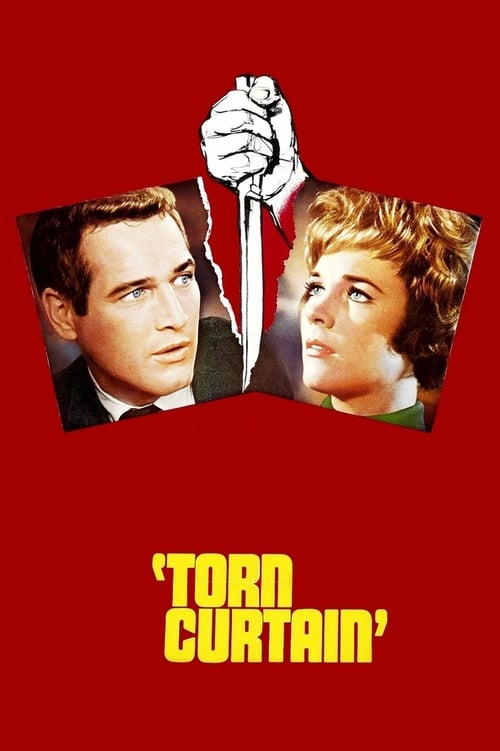
1966

1929
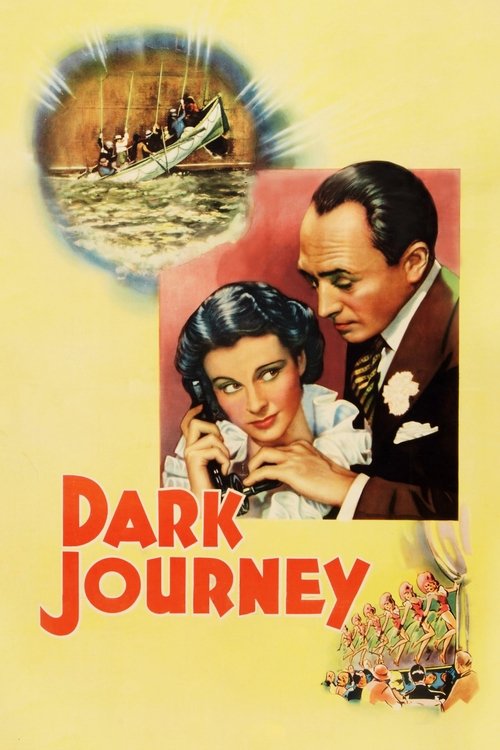
1937
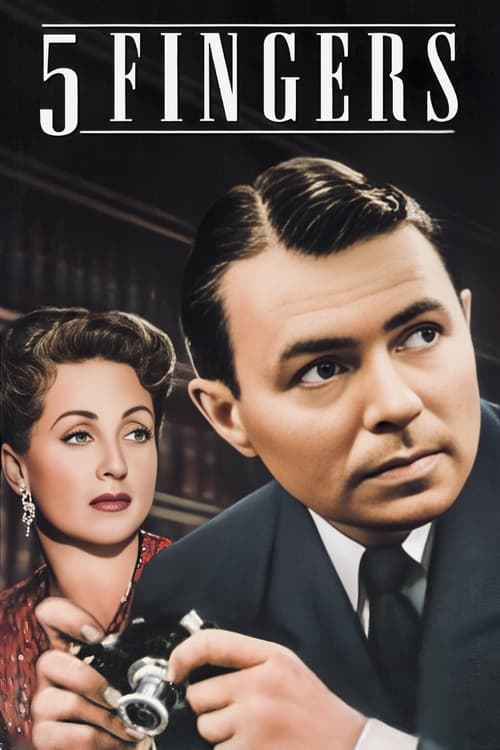
1952
No reviews yet. Be the first to share your thoughts on this movie!
Use the rating form above to leave a star rating and optional review.